Potatoheads are also known as taro, taro, and the underground truncheons of the tiannan star plants, with different shapes and flesh, usually eating little taro. Years of tuber plants are often cultivated as one-year crops. The following are some of the highlights of the technology for the cultivation of taro in the south. For your information. Technical aspects of the cultivation of taro in the south
1 potato treatment
1. 1 selection of species: the seed of tara should be chosen for the taro, which is wide in its shoulders and is fat in its size. It must be grown from a non-pathic mother's strain, with a large, coarse, full-sized seed, with purple red in its flesh, with many beads, with no vermin, and with 50 g sprouts. No pre-embedded blind potato can be kept to grow. (b) in order to prevent the cultivation of tara on the surface, 50% of the mesmotile powder can be disinfected 500 times more frequently; insects such as aphids can be sterilized with a 1000 times more oxidated cream, 20-30min impregnated and dryed。
1. 2 breathing: in the winter to and from winter onwards, the sun-to-back, drainage-friendly sandy soil shall be chosen as seedbeds, with the seedlings cut to the tails, with the ash of the grass, and discharged into the seedbeds; it is then covered with three cm of sand, watered and warmed; or the seeding of tara into the house, watered and the soil kept wet during seedlings。
2 fields
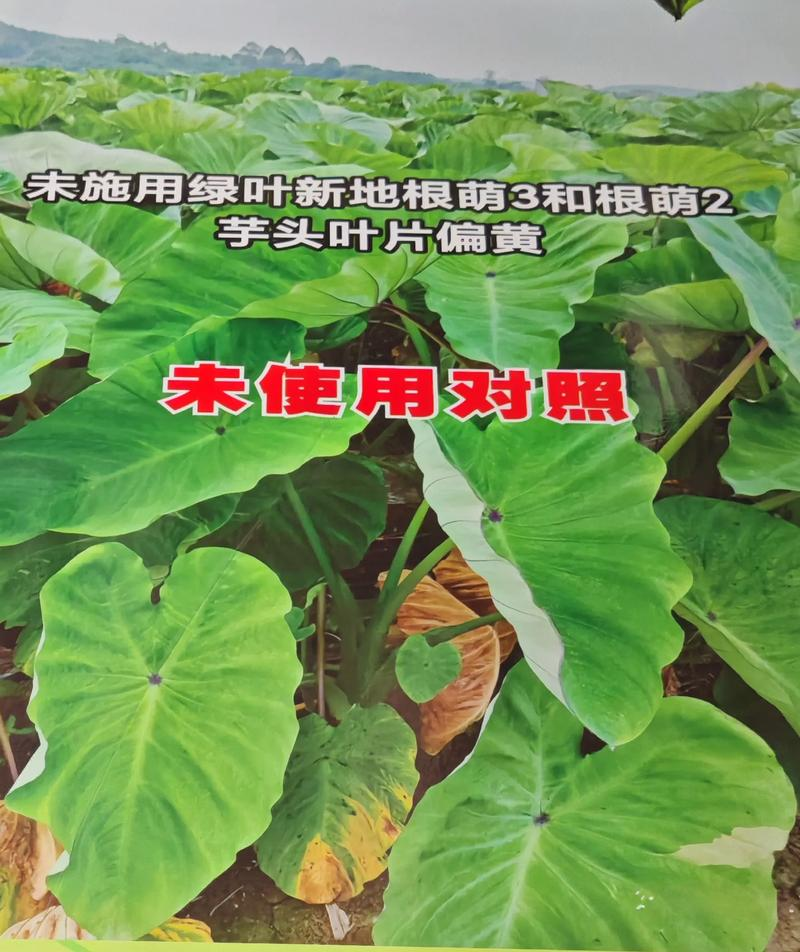
2. 1 land selection: pyramids are not suitable for reconnection, which results in soil nutrient deficits, particularly in trace elements; it also results in the accumulation of toxic substances and an increase in pests and diseases, which should rotate annually with rice or other crops. In the field of taro selection, it is appropriate to use 25 cm of cropping layered sandy, rich organic and easily drained sandy soil。
2. 2 ground-to-ground whole: 7-10d before planting uses 7471. 5 kg/hm2 for herbicide farmers, or 2. 25kg/hm2 for water, 750kg for weeding and, if temperature is low, 2-3d for drug use. Before the ground as a whole, organic fertilizer 22. 5t/hm2, phosphorus 375 kg/hm2, fertilization followed by all-field tillages, rises to the heights of 2m wide, 3540 cm deep。
3 seed in time
The seeding took place in late february to late march, and the seedlings of taro were able to grow after the frost break, with double-planting and a distance of 50 cm x 100 cm. Potatoheads can be planted in caves or ditches at depths of 3-5 cm. It is common for the taro to sprout up, but in the wet zone it is possible to reverse the sprouts, so that the sprouted buds can turn around, where the new masts are less connected to the seed, and when it is dried up, they do not easily cause the new taro to rot. After planting, 5 per cent of the subterranean 15-kg/hm2 mixed sand 75-kg to combat underground pests and then cover the soil to keep them wet。
4 field administration
(a) potassium is more needed for the whole reproductive period, especially in the post-growth period, where the lack of potassium causes it to become smaller and lower in quality, where the roots and leaves of the previous period are gradually growing, with nitrogen-based fertilizers, mainly to the point where they are thin to the point of thickness and thinness, and prompting the rapid growth of the leaves; and in the maturation period, where appropriate, it should reduce the supply of nitrogen-based fertilizers, limit the growth of the leaves and increase the application of phosphorus, potassium fat, especially potassium fat, in order to boost underground growth; lately, the supply of fertilizers, especially nitrogen, has been constrained to promote the conversion and quality of mother-to-child nutrients。
4. 1 scientific water use: proper leeching by late june; after late june, long-term storage of water in the canals, measured at the base of just-inundated trenches, resulted in 20 d of dry ditch water before the taro harvest. During the high-temperature dry season, soil temperatures are high, so that, in order to prevent the burning of plants and taro, it is forbidden at noon to go in and pour water, until the sun sets down or the morning is low。
4. 2 timely pursuit of fertilizer: the first fertilization is followed when the general seedling reaches 90 per cent, with 15 ~20 per cent of human urine 15 t/hm2, followed by urea with urea at 25 per cent at 15 ~20 d or 75 ~120 kg/hm2 carbon ammonium; in late april, plants began to grow rapidly, with 30 per cent of urine 15 ~ 22. 5 t/hm2 per 10 ~ 12 d, with appropriate increases in sulphurate, urea, etc., depending on the long shape of the plant; in late may, in conjunction with the cultivation of soil in china, pig and cow dung 22. 5t/hm2, peanut thorium 7. 5t/hm2, compound manure 750kg/hm2, potassium fat 150kg/hm2, and post-pump soil, were distributed in the middle of two rows; and 100 mg/kg polyuride and 0. 2 per cent potassium phosphate were sprayed on the outside twice in order to keep the roots and boost the expansion of the plume。
4. 3 pulsions: this is the key to ensuring the normal growth of taro and increasing the accumulation of tubular nutrients. Peasants can stimulate the growth of unsettling roots, increase resilience to drought, inhibit the growth of peaks and improve quality. In general, 2-3 times during the whole reproductive period, in late may, the first was taken to level the den, and in mid-june, the second was taken together with weeding and pine soil; in late july, the last earth-breeding exercise took place, requiring an even thickness of the earth. Before sealing off, sprouts should be removed in a timely manner, with a combination of fertilizing and re-planting。
5 pest control
5. 1 prevention and treatment of diseases of taro: taro disease, taro morbidity, taro pickle disease, and taro atrophy. In agricultural control, two to three years of rotation; seeding of potatoes on a field free of disease or on a strain free of disease; minimization of the mechanical damage to the leaves during the onset of the disease; and drainage to prevent the drying and overwetation of tara fields and to maintain sunlight and good ventilation. Chemically, atrophy can be combated by double-activated, multimixers; platinum can be treated with platinum, tricetone emulsifiable cream at the onset of the disease, sprayed at the root of the tuber and the surrounding soil, once every 7-10d and 2-3 in a row depending on the state of the disease; soft scabies can be combated with agro-chainicillin and copper chloride (capable of killing); the disease can be combated in the nursery season with methadoxin, abdophosphate, and venom。
5. 2 pest control: the pests of taro are ground pests, taro locusts, slashed night moths. Prevention of underground pests, which can be conducted by artificial insect catch and drug control, with 48 per cent of losbane being used as an option for rooting with 800 times more liquid; taco locusts being used for marathion and losborne; the larvae larvae should be eliminated in time for treatment of 90% trichlorfon 800 times the fluid spray in the centre where the larvae occurs。
6 collection in due time
The taro leaves are yellowly abbreviated, the base of the lobe is soft, the sound is not clear when broken, and the roots are harvested when they begin to decay. In the pre-harvest period 15-20d, drain the bottom of the drain to dry up the soil to improve taro quality and storage. It is also possible to raise economic income by digging up the mother's potatoes early and leaving them growing on the ground, depending on market demand. The seeding must be delayed in order to facilitate the full maturity of the taro, in order to improve its quality and its storage。