Mushrooms are one of the most common ingredients on the table. Today, mushroom cultivation not only uses traditional methods, such as open air and sheds, but also develops new forms of plant cultivation. On 24 september, a stick of mushrooms was growing comfortably in a “air-conditioning room” at the demonstration base of the mushroom plant in the new village town of the west coast, thanks to the support of these “air-conditioning rooms”, which achieved a balance between ventilation and low room temperature during mushroom growth, with significant energy savings while achieving capacity overflight and a better vision of a year-round harvest。
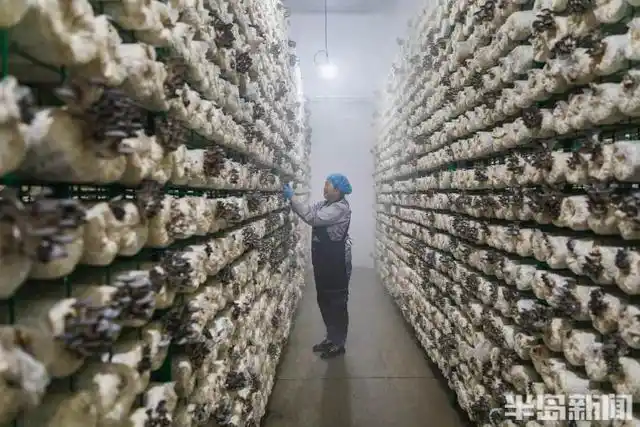
In a demonstration base for cultivation of mushroom plants in grand village, staff manage mushrooms in mushroom rooms
The mushrooms are the most common mushrooms in people's daily diet, and the mushrooms used are called fungi. The towns and villages located west of mount tibet in the new area of the west coast are described as having a deep history of food fungi development. As early as the early 1960s, the inhabitants of the towns and villages began to grow mushrooms spontaneously, introducing industrial food bacteria since 1983. Since 2004, the edible bacteria industry has become popular with consumers and market demand has grown, and the town and town governments have launched a rush to develop the edible bacteria industry throughout the town, making every effort to develop the edible bacteria industry through initiatives such as koseng and koshin。
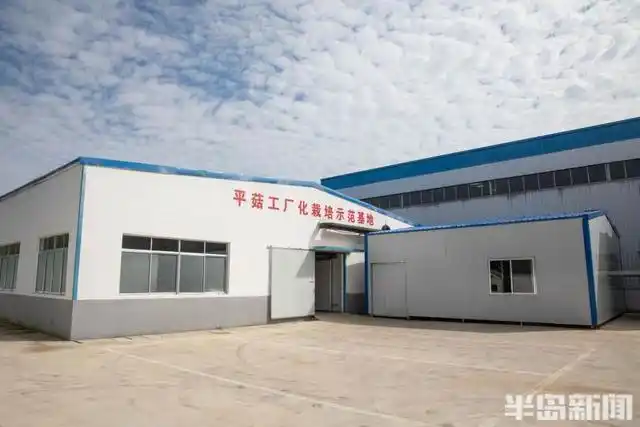
A demonstration base for cultivation of the pinghu factory in new zone, west coast
“according to the traditional forms of open-air cultivation, shed cultivation and plant cultivation, our town is leading the country in plant cultivation.” presentation by song jiang fu, managing director, green home biotech development co. Ltd., aoshima. In a mushroom room at the fungus plant demonstration base, as a vehicle for mushrooms to grow, a fungus bag is placed in an orderly row of shelves, like an item on a supermarket shelf, and fresh mushrooms are slowly being drilled out of the bag. From cultivation to the production of mushrooms, mushrooms usually grow and finish in about 40 days. In the mushroom room, there is a clear sense of air conditioning. On the other hand, outside the mushroom room, multiple lights, such as light instruction, wetting instructions, ventilation instructions, etc., are lighted in different colours on the control panel to allow staff to monitor and adjust various indicators in the room. And for mushroom cultivation, ventilation and temperature are the key to their growth。
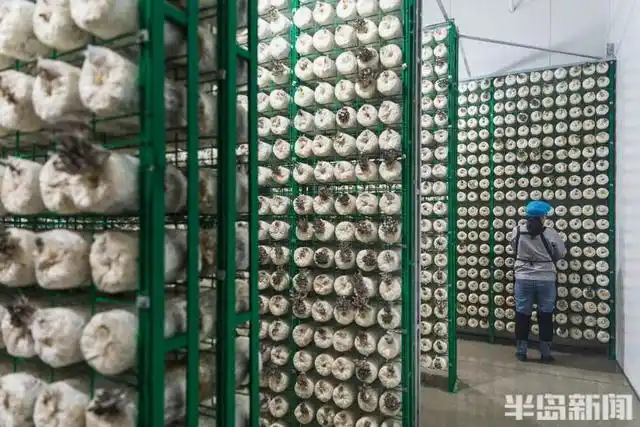
In the mushrooms room, one microbreath in an orderly fashion on the shelf
“to ensure the yield and quality of edible bacteria, good conditions are required for edible bacteria.” song jiang fu described the advantages of plant-based production as addressing the contradiction between the need for great ventilation, i. E. High oxygen, in the growing of mushrooms during summer high temperatures through technological research and development, and the maintenance of low temperatures. "the temperature requirements for growth are different for different edible bacteria and different for the same edible bacteria at different stages of growth. Song jiang fu states that the temperature of mushrooms is generally between 21°c and 23°c at the stage of cultivation and that the mushroom-producing stage is generally controlled between 15°c and 18°c. At the same time, mushrooms require extensive ventilation in the later stages of their growth, often for more than 40 minutes, to meet their oxygen requirements. However, it is difficult for summer temperatures to meet such requirements, and the high energy and cost of general refrigeration equipment makes it difficult to address the environmental requirements for the growth of mushrooms with large ventilation and lower room temperatures. The problem was addressed in real production by the use of plant-based mushroom cultivation and 80 per cent energy savings were achieved through the design and development of “air conditioners” specially designed for mushroom growth. "there are 25 mushroom houses in the factory, with an average of 10,000 bacterium packs, producing three and a half tons of mushrooms a day." song jiang fu states that under the conditions of industrial production, the 3 acre plant in this area has a capacity of 200 acre. At the same time, industrial production has broken seasonal constraints and has achieved a year-round harvest。
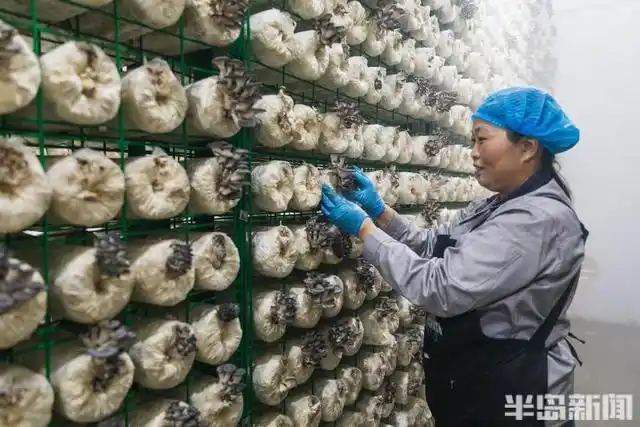
Staff observe mushroom growth in mushroom rooms
Traditional mushroom cultivation is a labour-intensive industry in which the production of 1,200 acres often requires the participation of hundreds of people. At the factory's production base in grand village, only five or six staff members are busy here. At the same time, mushroom cultivation also leads to the development of the industrial chain, involving workers, from the production of bacterium packs to the recovery of raw materials, and to a certain extent to employment. The high production and reliable quality of the four seasons of the year have made the mushrooms produced in the factory in the village market, and the sale of the radius radiation reaches 300 kilometres around it, from which the importers of chinan, sunshine, yunport and so on are purchasing。
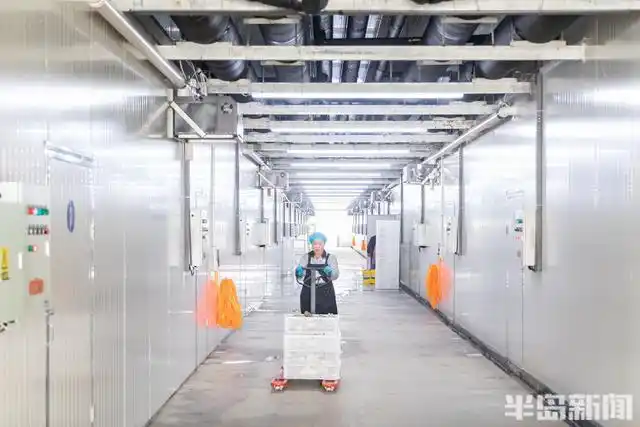
There's 25 mushroom houses at the demonstration facility at the pinghu factory in okura
“the country of mushrooms” has now become a business card for villages and towns. Through the town's many years of effort, it has also been given the honour and title of “one village, one quality demonstration town” and “first precipice predatorial bacillus, shandong province”. The town has now introduced seven leading circulatory circulatory enterprises, covering more than 1,200 acres, building more than 1800 circulatory sheds, maintaining an annual stock of 8-12 million bacterium rods and more than 3,000 tons of fungi mushrooms, generating more than 50 million yuan in sales per year, bringing in more than 1,800 people a labour force, and making a quantitative shift in the industrialization of the industry from monoculture to scale, thus breaking through and moving forward in the search for the road to rural renewal。
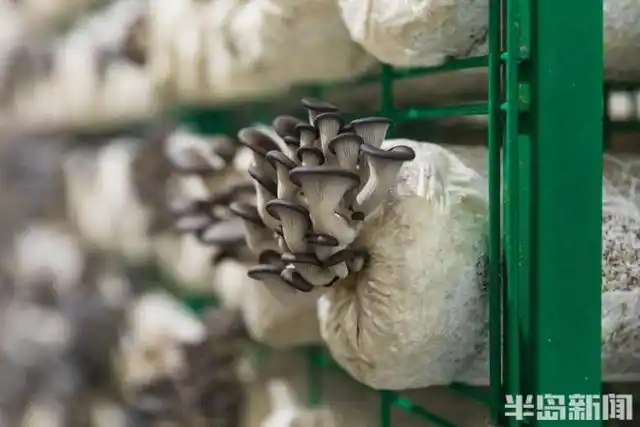
The mushrooms on the bag
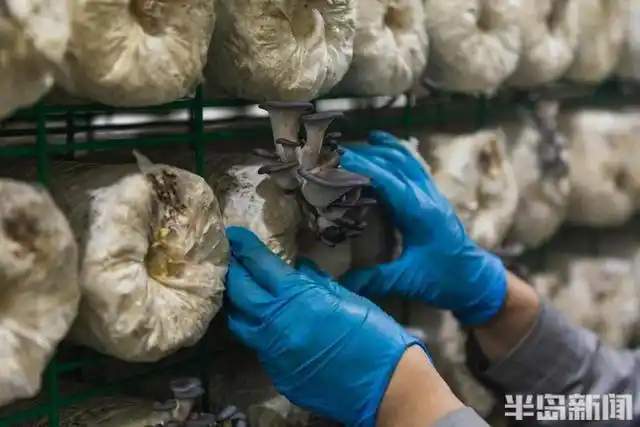
Staff observe mushroom growth in mushroom rooms
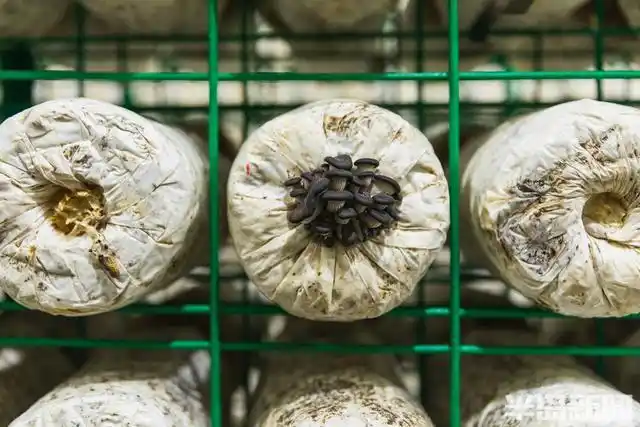
The mushrooms slowly come out of the bag