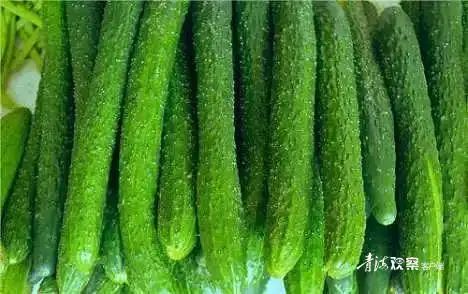
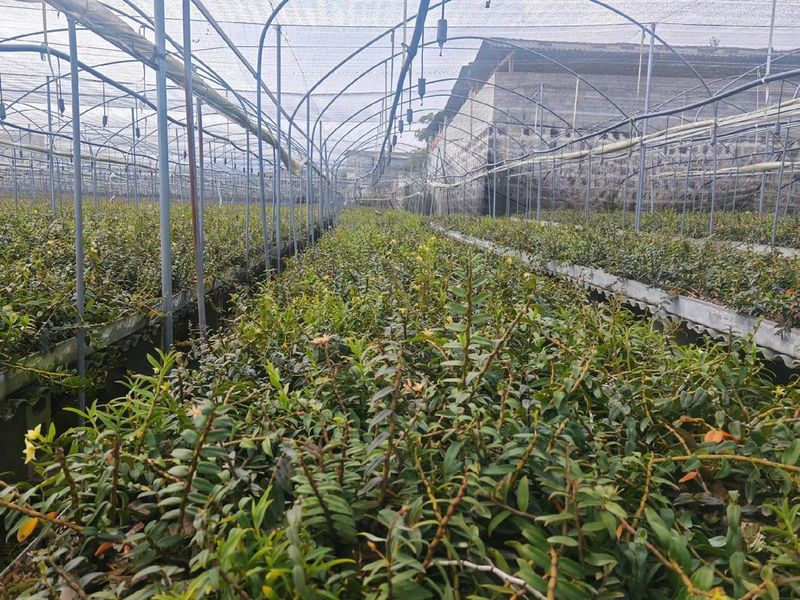
(i) selection of seedlings
Garlic cultivation in the sheds is based on the production of garlic seedlings, with the choice of excellent garlic varieties that have more petals, are strong and nutritious, are heat resistant, adaptable and resistant, and can be sowed from late july to the end of october, with flexibility, depending on the circumstances, and in batches. In late september, seeds were planted in long, long and early varieties, which resulted in late and late production declines and withdrawals, as well as monolithic and secondary growth, which affected commodity values。
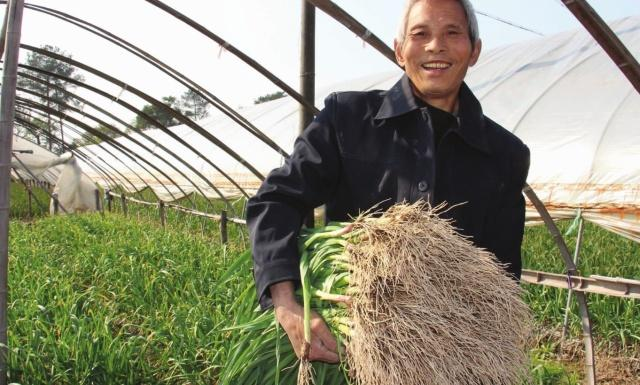
(ii) whole fertilization
Garlic is suitable for cultivation in lumbery fields that are sun, wind, easy to drain and drain, and strong in water protection, generally on sandy soil. It is not appropriate to replant onions such as herbs and onions. Prior to tillage, 400005,000 kg of refined organic fat per acre and 4000 000 kg of potassium per acre for garlic or trem phosphorus. After applying fertilization, 20-30 centimetres are pushed deep, dredged and flat, and then open a ditch for tumbling, typically 180-200 centimetre wide, 30 centimetre wide and 20-30 centimetre deep。
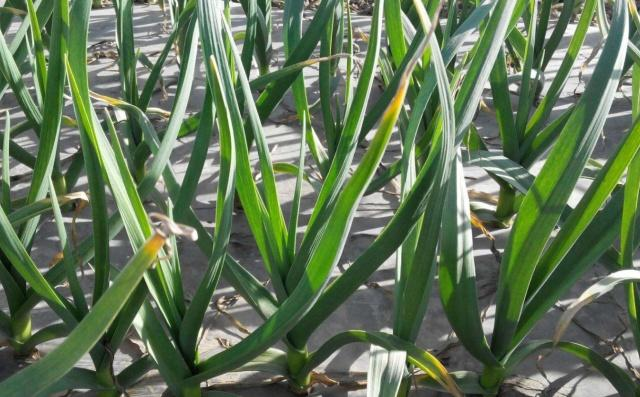
(iii) field management
1. Garlic seed management
(1) fertilizer management: one-off water injection after seeding can meet the demand for water from garlic seedlings. Most of the leaves of garlic grow with a perforation of water up to a depth of 10 cm below the garlic, and when the water leaks, they lay 2 to 3 cm of fine sand. Garlic seedlings cover a layer of fine sand at about 3 cm long, with a growth cycle of 2-3 times to increase the length of garlic seedlings. It is generally guaranteed that small water is poured in every seven days to prevent excessive water from causing rotten seed and roots. Water was stopped seven days before the harvest。
(2) temperature management: no shacks are required for the pre-prematured plots, which enter after late october in order to protect the temperature and promote seedling growth. In the event of late planting, the shed should be buttoned as soon as seeding takes place in order to facilitate rapid and orderly seedling. Attention is being paid to the fact that at the start of the shacks, two of the sheds will not be built and will be built after late november, with timely ventilation during the day. The temperature of the bed soil is controlled at about 20°c before seeding. After seedlings, soil temperature is maintained at 20°c during the day, temperature is 20~25°c, air is released at more than 25°c, wind is closed at 20°c, and temperature is kept at 15~20°c at night。
2. Early garlic management
(i) temperature management: the appropriate time for the shacks is mid-december, the process of premature springing cannot be completed and the effects are ripe for later. It should be carried out in a clear and windless weather in order to avoid damage to the sheet film. In order to increase the temperature in the sheds, the straw curtains may be added to allow the garlic seedlings to grow. When the weather is clear and the temperature in the shed is higher than 25°c, the air should be properly vented to prevent garlic being long and small。
(2) fertilizer management: water should be poured once after the shack to fatten and 20 kg of urea per acre in order to facilitate the seedlings. When the garlic seedlings return to the ground, the plants enter a rich and long life. At this time, there has been a significant increase in demand for fat water, which is then watered once every 6-7 days. When the garlic is fully harvested, water is poured in time to keep the soil wet to provide the water needed to expand the plume, while also reducing the temperature and avoiding early leaf decay. Stop watering five to seven days before the garlic harvest。
(iv) harvest
Garlic seed harvests should take place at peak yields, usually when leaves are 40 cm or more high and the tip of the leaf starts to spin, and the harvest should be on the market in time. It'll be on the market by the end of december and the beginning of new year. Two plants may also be extracted and kept, leaving seedlings that can be used as garlic for the coming year. The garlic harvest is due at about 10 centimetres when the garlic is exposed and bending to 90 degrees. The pick-up should take place in the event of an atrophy of the leaves in the middle of the day, when the garlic is more resilient and it is not appropriate to break it, so as not to cause as much damage to the leaves and herbs as possible, so as not to affect the production and transmission of nutrients and to reduce the production of runners. Marketed in the form of garlic, prices are much higher than those of garlic。