Introduction
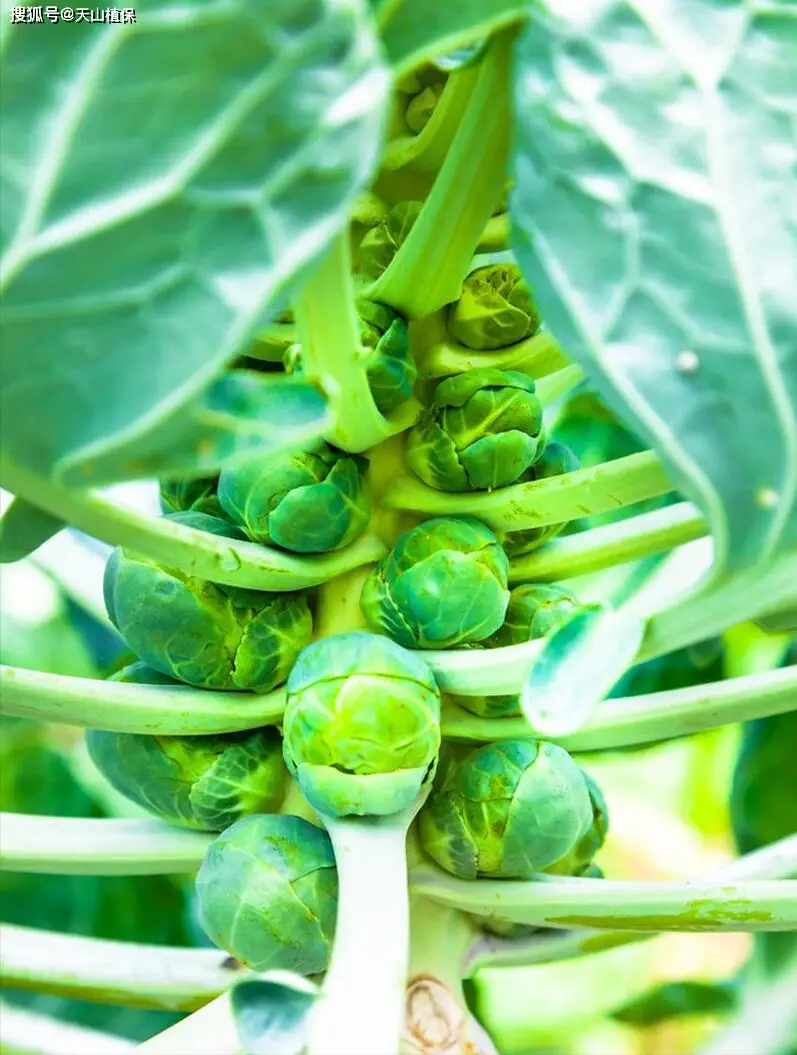
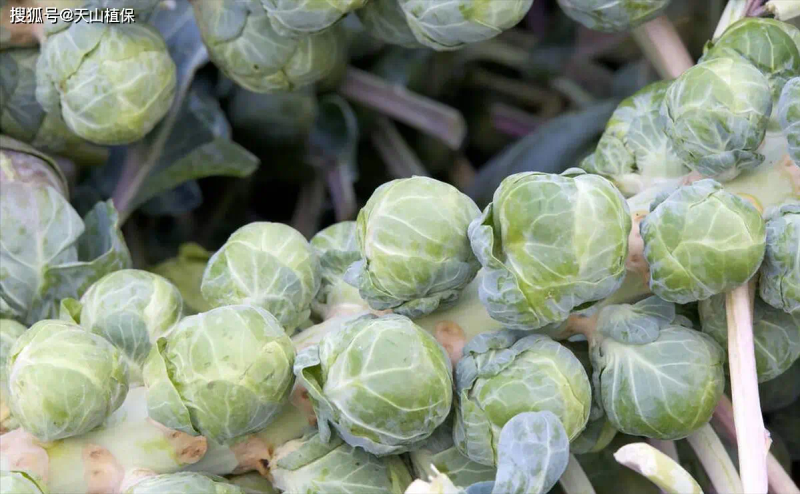
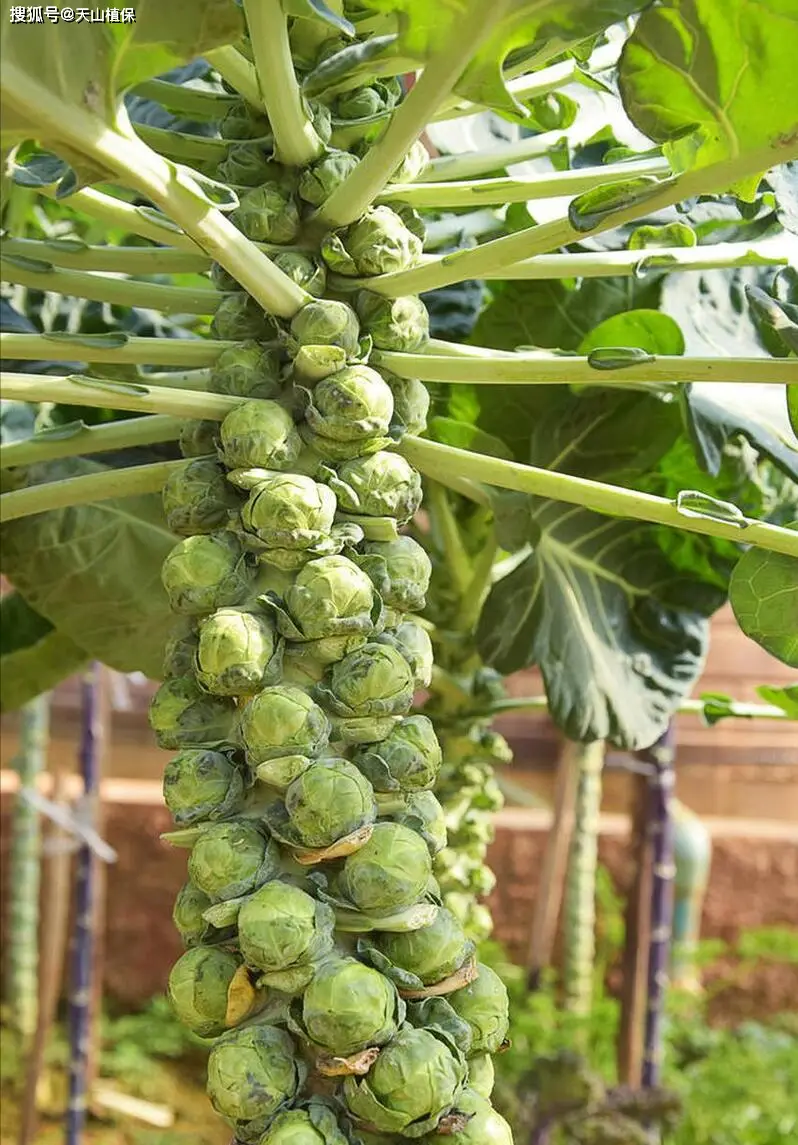
The sprouts, known as sprouts and sprouts, are a mutation of the crossflower species. Its young leaf ball is rich in proteins, vitamin c, micronutrients and many other nutrients. It has a unique taste and is popular with consumers. A scientifically sound method of planting is key to ensuring high quality production of spores, and details of the planting steps and related points are given below。
Ii. Selection of varieties
The selection of suitable varieties is the basis for the success of spasm kale. The selection of varieties should be based on local climatic conditions, soil conditions and market demand. The most common good varieties are pre-born children, nagasaki mating early births, princes, etc. The pre-literate varieties are suitable for dense planting, from planting to harvesting of about 90 days; medium-literate varieties have a reproductive period of about 120 days; and late-literate varieties have a longer reproductive period of about 150 days, but the foe balls are large and of good quality。
Child breeding
(i) preparation of seedbeds
High-lying, well-drained, ventilated plots are chosen as seedbeds. The seedbed soil needs to be fertilized, rich and organic, and the ph value is maintained at 6 - 7. 5. The seeding is preceded by finely finely applied base fattening, usually 10 - 15 kg of consumable organic fertilizer per square metre, 0. 1 - 0. 15 kg of calcium perphosphate, which is then dredged and dredged。
(ii) time of seeding
The sprouts can select suitable planting times according to different varieties and local climatic conditions. The usual spring plantings can be carried out between december and january of the following year, and the medium- and late-finished varieties between january and february; the fall plantings usually occur between june and july。
(iii) sowing methods
The sprouts are small and, in order to ensure even seeding, can be mixed with suitable fine sand. It is followed by a layer of approximately 1 cm thick fine soil, light pressure and cover of sunnets or straws, so as to keep the soil wet and avoid direct sunlight and rain wash。
(iv) shrimp management
- temperature control: the temperature of the seed bed is maintained at 20 - 25 °c during the seed sprouts. When most seeds are soiled, cover is removed in a timely manner and the temperature is reduced appropriately, at 18 - 20°c during the day, at 10 - 12°c at night, to prevent seedlings from growing。
- water management: keep the nursery wet but avoid water accumulation. Water can be watered in due course in the light of weather and soil conditions, usually every morning and night in the middle of the day, and less frequently in the rainy days。
- light management: to maximize the lighting of seedlings, subject to the guarantee of temperature, in order to enhance their photosynthesis and resilience. If the light is too strong, it can be properly shaded。
- saplings and fat pursuits: saplings are carried out when a child grows 2 - 3 leafs, with the removal of small, dense seedlings and keeping the distance at 3 - 5 cm. Saplings can be followed up once with thin organic fertilizers, such as manure or urea solutions (at a concentration of 0. 2% - 0. 3%) for young seedlings。
Iv. Holding and staffing
(i) whole fertilization
Crops are selected from deep, fertile, and easily drained plots. After the harvest of the front crop, the debris is removed in a timely manner and the soil is rocked deep at a depth of about 25-30 cm. In combination, the application of fertilized organic fertilizers of 3000 - 4000 kg per acre, compound fertilizers of three dollars 50 - 60 kg and calcium perphosphate 30 - 40 kg is sufficient to balance the fertilizer with the soil. It is then made on the basis of the method of cultivation and is usually 1. 2 - 1. 5 metres wide, 30 - 40 centimetres wide and 20 - 25 centimetres deep。
(ii) timing
When a seedling grows up to 5 - 6 real leaves, it can be established at the age of 30 - 40 days (spring) or 25 - 30 days (fall). (c) select the sun or sunday evening for planting to reduce the loss of water and increase the survival rate of seedlings。
(iii) plantation density
Early-literate varieties typically have a range of 40 - 50 centimetres and a range of 30 - 40 centimetres, with 4000 - 5,000 plants per acre; and mid-late-literate varieties with a range of 60 - 70 centimetres and 40 - 50 centimetres, with a range of 2000 - 3000 plants per acre. When planting, care is taken to keep the seedlings intact and avoid damage。
V. Field management
(i) cropping
Plantation is done in a timely manner in order to defusing the soil, increase its permeability, promote root system growth, and remove weeds and reduce the number of weeds and plantations that compete for fertility. The cultivation depth is typically 3-5 cm, 2-3 times before the plant is closed。
(ii) fat pursuit
- slow seedling fattening: a week or so after the planting, a one-time application of slow seed weight, 5 - 8 kg of urea per acre, promotes the growth of slow seedlings。
- prosthetic fattening: after the plant enters the lichen season, the rate of growth increases and the amount of fertilizer is increased. At this time, three centimetres of compound fertilisation were applied at 15 - 20 kg and potassium sulphate 5 - 8 kg, promoting the growth of leaf blades and the fragmentation of leaf balls。
- questing: when a leafball begins to form, it is applied again to meet the nutrient demand for leafball growth. The three dollar compound fertilizer per acre is 20 - 25 kg, urea 10 - 15 kg and can be applied with some appropriate additional potassium fertilizer, such as potassium chloride 8 - 10 kg. The pursuit of fertilizers can be combined with watering, so that the fertilizer is fully dissolved and the plant is easily absorbed。
(iii) watering
- suspended sapling period: after planting, the water should be filled and the soil kept wet for the sake of the seedlings. During seedlings, in the event of dry weather, small water can be properly poured。
- lian term: a strong plant with a high demand for water and a dry and wet soil is usually watered every 7 to 10 days in order to promote the growth and fragmentation of the leaves。
- term of finality: the greatest amount of water is required for the formation and expansion of the pellets, ensuring an adequate water supply, watering every 5-7 days and maintaining the soil wet. However, water should be stopped about a week before the harvest in order to prevent the foliage from affecting quality and sustainability due to the excessive water content。
(iv) plantation adjustments
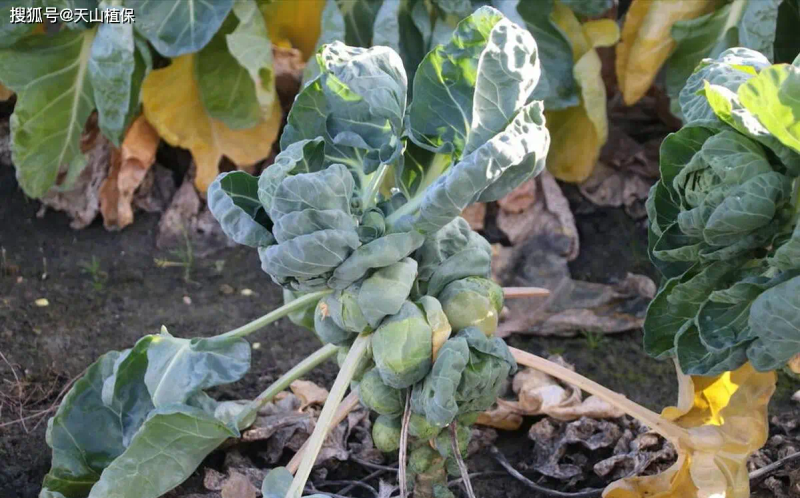
- top: when the plant is grown to a certain height (generally 12 - 15 leaves), the top is taken away from the growth point at the top of the main truncheon in order to promote the growth of the side branch and the formation of the leaf ball。
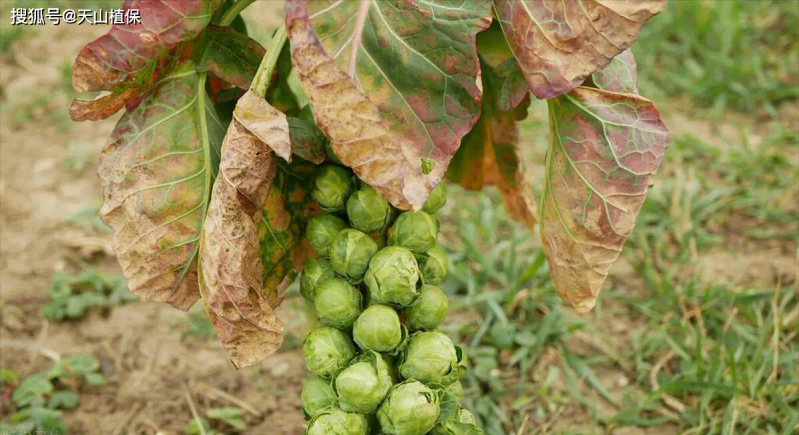
- elimination of old and sick leaves: in the process of growing up, it is necessary to remove in a timely manner the old, yellow and sick leaves from the lower part of the plant, improve ventilation and light conditions and reduce the incidence of pests and diseases。
Vi. Pest management
(i) disease control
- black corruption: the disease mainly affects leaves and tubers. The methods of prevention include rotation and avoidance of reconnection; choice of non-pathological seeds or their disinfection (with 20-30 minutes of impregnation available at 50°c water); and application of 72 per cent of the agro-chain carcinogen soluble powder at the beginning of the disease, 4000 times the fluid or new cocin 400-5000 times the fluid。
- frostosis: mainly harmful to the leaves, with light yellow polygonal spots on the leaves at the beginning of the disease. Prevention and treatment measures are reasonably well-planted to enhance ventilation; 75 per cent of the bacterial wettable powder is sprayed in a timely manner at the beginning of the disease, 600 times the fluid, 64 per cent the venomicide humid powder 500 times the fluid, and is sprayed every 7 to 10 days and 2 to 3 times。
- swollen diseases: mainly harmful to the roots, resulting in their swelling. Soil alkalinity can be regulated through soil improvement (maintaining ph values above 7); rotation; and prevention by choosing anti-disease varieties. At the beginning of the disease, 10% of the cyanite suspended agent 1500 - 2,000 times the fluid is used for rooting。
(ii) pest control
- aphids: aphids suck a strain of juice, which causes leaf curls and yellow hair. Aphids may be covered by anti-worm nets to prevent aphids from moving in; aphids can be lured with yellow viscos; 10% of aphids can be sprayed with a wettable powder 1500 - 2000 or 50% anti-aphidable powder 2000 - 3000 times more。
- the moths: the larvae eat the leaves, creating the holes in the leaves. Insects can be lured by small moths; biocombination can be used as an alternative to the sourium sprouts (bt) formulation; chemical control can spray 2. 5% bromethrin cream 3000 times liquid or 5% fluorine suspension 2000 - 3000 times liquid at an early age of the larvae。
- garamy night moths: they eat in large quantities and cause serious harm. It can be combated by artificial capture of larvae; lantern induction into insects; spraying of 20 per cent of sterilised pyrethrin milk 3000 times the fluid or 48 per cent of the poisoned emulsifiable cream 1000-1500 times the fluid before larvae 3。
Vii. Access
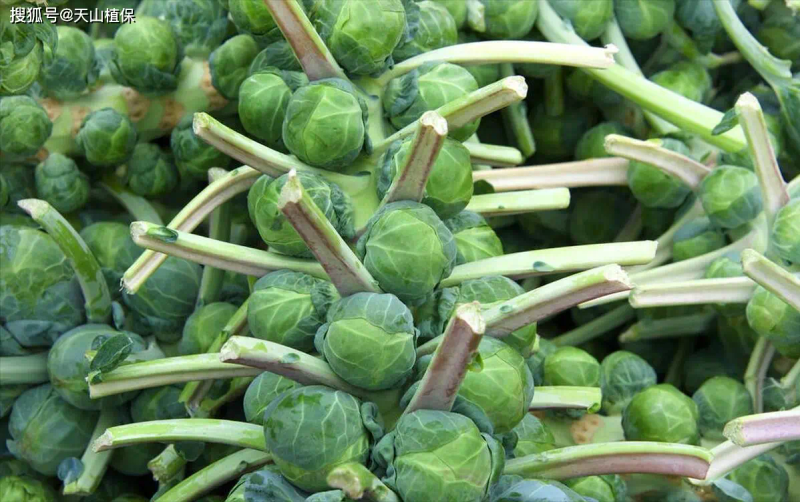
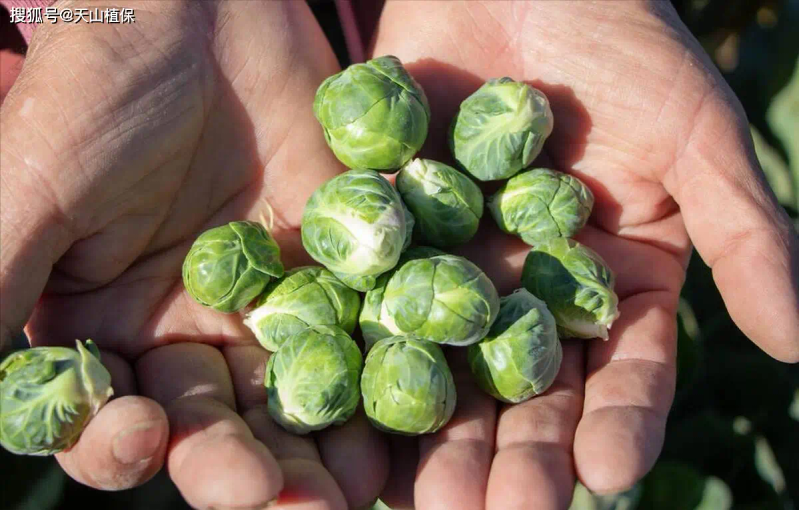
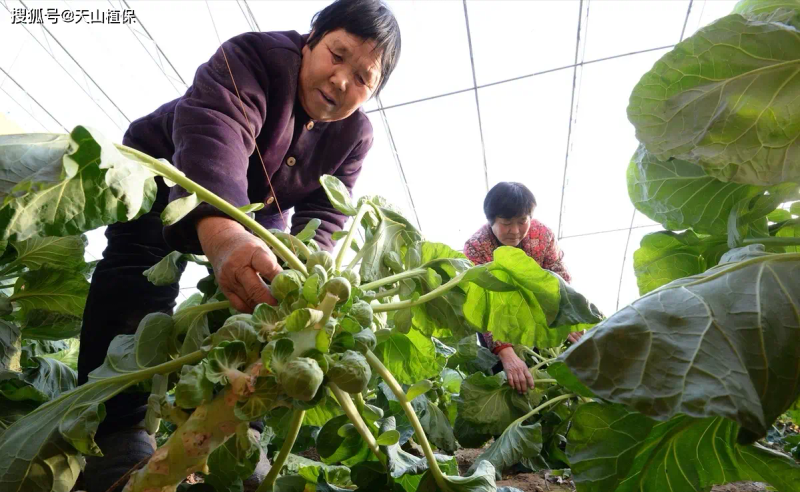
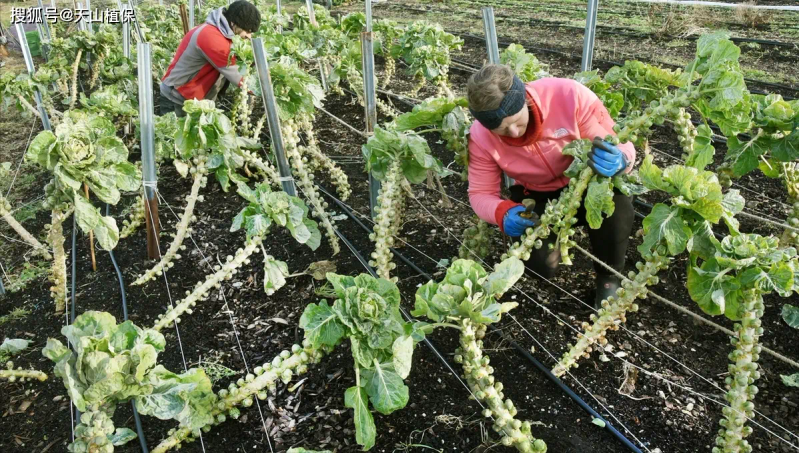
The harvest period of the styrofoam kale varies according to the variety and planting season. Usually, a leaf ball can be harvested when it is 2. 5 - 3. 5 cm in diameter and it is appropriate to keep it tight. The harvest can be picked from the bottom to the top, or in whole. Pre-finished varieties can generally be harvested multiple times, and medium- and late-finished varieties can be collected one time or split between 2 and 3 times. The harvest is followed by the timely clean-up and centralization of field residues to reduce pest residues and spread。
Through the above-mentioned scientific norms, planting can be effective in improving the production and quality of kale and meeting market demand, while generating good economic benefits for growers。