Tomatoes, i. E. Tomatoes, not known as pretzels, tomatoes, meat and juicy fluids, seed yellows, and fruit for the summer and autumn. Born in south america, with extensive cultivation in north and south china. When will the tomatoes be ready? A few days later? What are the techniques for cultivation management
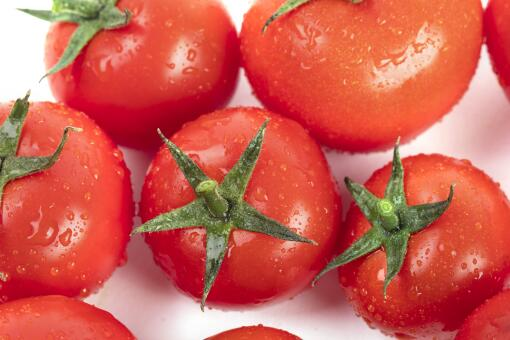
When will the tomatoes fit
1. Early planting of protected areas in the spring took place between late february and early march in cold and warm weather
2. The surface membrane cover was planted around 20 march in cold tails and warm head weather
3. The established plant density is 50 x 30 cm for the dry whole strain of the pre-maturized species, approximately 3,000 units per acre; the medium- and late-maturity varieties are about 3,500 units per acre; and 2,000 units per acre at the time of the adoption of the double-dry whole。
A few days after the tomato plant
As a pre-preventive measure, 800 times the liquid plant protective clothing can be sprayed every half month to enhance resistance and photosynthesis in plants, to prevent infection with disease and pests and to guarantee the fruit rate of tomatoes。
2. Around 20 days after planting, 25% ester 100 ml + 70 mg + 5% avm partner (root swirling) 1,000 ml for water, 200 kg for the nozzle, sprayed to the base of the tomatoes and sprayed 50 to 100 ml per acre。
3. Low temperatures in spring and winter, slow temperature rises and poor water evaporation tends to lead to root causes when heavy water is poured, leading to various diseases, especially in bad weather。

Reasonable operation should be watering, with appropriate temperature increases of 1-2 days after planting, temperature rises to 30°c during daytime, night temperature control at 16-18°c, and gradual ventilation after 2 days. Two days before the second water is poured into root, options are available: 95 per cent of the fungus 3,000 times, 750 times the frosted hydrochloric acid, with the ability to kill in combination with the root. It is also recommended to use the potassium phosphate source bank for rooting before planting。
4. Plumbing water normally takes place 8-10 days after planting, depending on weather and shed conditions, and when spring and winter roots are slowly growing, they gradually begin to grow as they recover from the pre-surgical period and soak the seed water. Scrambling of roots such as acid and algae can contribute effectively to the number and growth rate of root systems. At the same time, the water is slightly larger than the water. During this period, vegetable farmers will be able to perform farming operations such as graft and membranes without rooting。
The third water in the winter is usually carried out 25-30 days after planting, and the plant enters the flowering season, at which point the roots have largely grown, forming the skeletons of a thicker family, with coverage extending beyond 20 cm in diameter。
At this point, a wide range of soil microbicides can be carried out along with the water for further healthy growth of the root system。
What are the techniques for the management of tomatoes
1. Post-planted nutrient management
Nutrient fluid ph is controlled at about 6. 5, trophic fluid ec is controlled at 2. 5-3. 0 ms/cm, trophic fluid temperature is controlled at 18-20°c and trophic fluid cycle time is 10-20 hours per day. Plantation is supplemented by 50-100 grams of potassium sulphate per ton of nutrients per week when it enters the flower season。
2. Whole branch
The whole branch of the tomato tree is different from that of the ordinary tomato. The whole part of the ordinary tomato is a dry one. All the branches are to be removed, while the whole branch of the tomato tree is based on a series of dry whole branches, each with two growth points, all of which are strong and strong, and only a few weak ones are to be removed. A tomato tree will have hundreds of growth points, with a rope tow on the side of its base, and the branches up to it will be distributed in an orderly manner, without covering each other。
3. Time spent
If the tomato tree is planted for sightseeing purposes, it may be used to save flowers once, i. E. To remove all the flowers that were to be planted on the plant and leave all the flowers that were to be planted on the plant (100-120 days after planting). In order to ensure sitting fruit, 20-40 mg/kg of porconin can be sprayed. Four to five fruit per ear。
Four. Leaf spray
In order to increase the supply of nutrients, leaves are sprayed every 7 to 10 days. Carbon dioxide can also be increased where conditions exist。