Our unique rare tree species, vanilla, have not only been admired by its young sprout and its rich nutritional value, but have also demonstrated its unique economic and ecological value. Scientific mastery of the techniques of reproduction and field management is particularly critical if the high quality of aroma is to be achieved. Next, we will explore these core technical points in depth, and we will bring you a comprehensive guide to the cultivation of the fragrance。
It's a breeding technique
The methods used to reproduce sorghum include, inter alia, seed breeding, adhesion breeding and split breeding, the selection of which is to be determined by the individual's size and actual conditions。
Seed reproduction
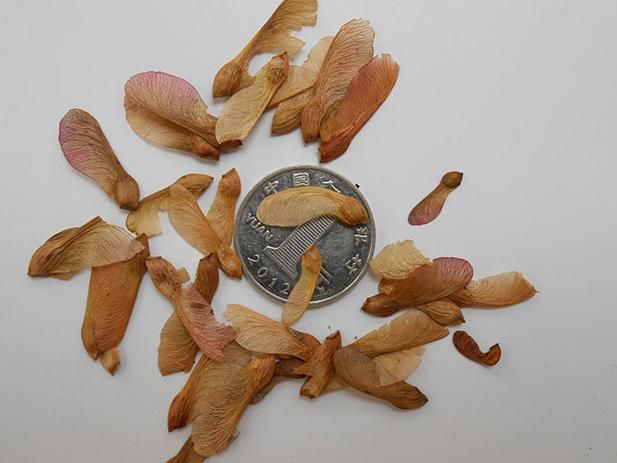
Seed breeding is a method applicable to large-scale cultivation. When implemented, full and mature seeds should first be selected, immersed 12-24 hours after 30-35 °c of hot water, extracted and packaged with wet gauze, sprung in an environment of 20-25 °c and washed once a day, waiting for 80 % of the seeds to be shown white to sow. The breeding grounds should choose the loose and fertile sandy sandy soil, which should be cultivated deep and dredged and then applied to the full amount of decomposition organic fertilizer. The seedbeds, which are 1. 2 metres wide, are then made at a range of 20-30 centimetres, with the seeds spread evenly into the ditches, covering 1-2 centimetres of soil, and immersing water to keep it wet. After seedlings are released, the membrane is removed in time for the seedling to take place at a height of 10 cm, with a distance of 10 to 15 cm. After a year of nurturing, it is possible to replant。
Implant reproduction
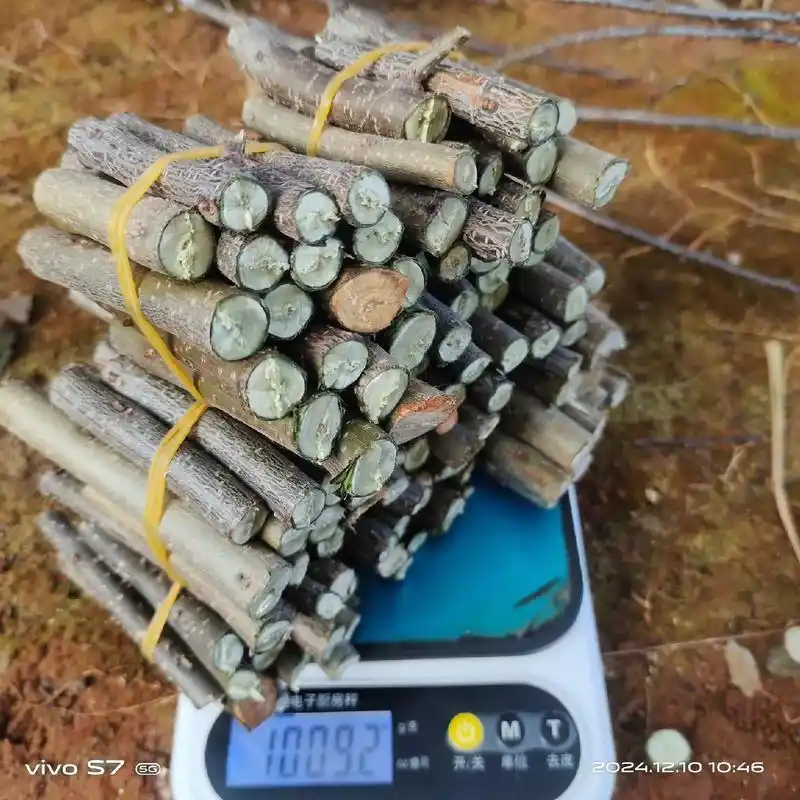
Plugs include both hard and small. Hard branch plugs are usually carried out before the spring sprouts, with the selection of one-to-two-year-old strong branches, the cutting of 15-20 cm long slots, the retention of 2-3 sprouts and the subsequent immersion of root powder solutions. It is followed by the insertion of seedbeds at depths of 1/2-2/3 of its length, which crush the soil and pour water. In order to keep the sun wet and wet, it is necessary to build a sunshield that can take root in about 20-30 days. In june-july of the summer, the twigs were taken to select the branches that were alive and semi-wooded, to cut into 10-15 cm long slots and to remove the lower leaves and insert them into the defusing matrix. After appropriate temperature and humidity conditions are maintained, roots can take place for about 15-20 days。
We'll split it up
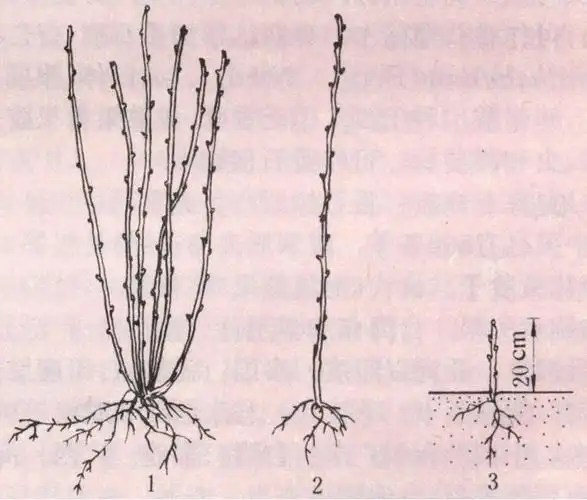
The division of plants is applied to small-scale cultivation, which is mainly carried out by seedlings from the vanilla roots. Before the spring bulge, we can dig up strong seedlings from around the shea tree, ensure the integrity of its roots and cut the extra leaves. These seedlings are then transferred directly to the planned planting sites, where they are fully watered to maintain soil moisture, which can significantly increase the survival rate。
Field management point for the twilight 02
In the field management of vanilla, we need to focus on a number of aspects, including the control of water fertilizers, trimging and pest control, in order to ensure that it is healthy to grow。
Fertilizer management
The fragrance needs to be fatter, with attention to the application of suitable fertilizers at different stages of growth, while following the “dry-and-wet” watering principle. Prior to planting, sufficient base fat should be applied, mainly on decomposed organic fat, with a suitable compound mass. In the course of growth, two to three times more fattening is required, with nitrogen fertilizer pre-prematured in the spring to promote new growth; in the summer, potassium nitrogen phosphorus compound fertilizer is applied in order to enhance tree position; and in the autumn, rotive organic fertilizer is applied to improve the resilience of the fragrance. At the same time, water distribution should be based on the principle of “dry and wet”, especially during spring periods and high summer temperatures, and water should be applied in a timely manner to meet the water requirements of the aroma; during the rainy season, attention should be paid to drainage and flood prevention in order to avoid root decay。
Decoration
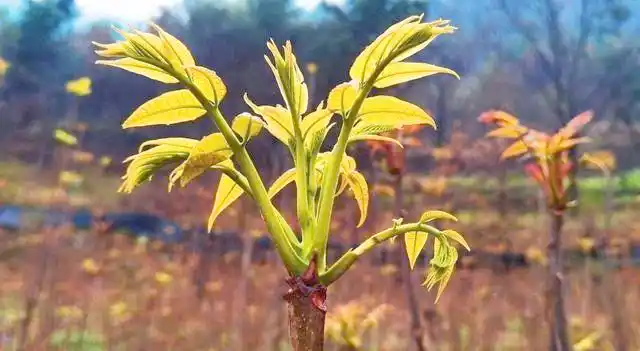
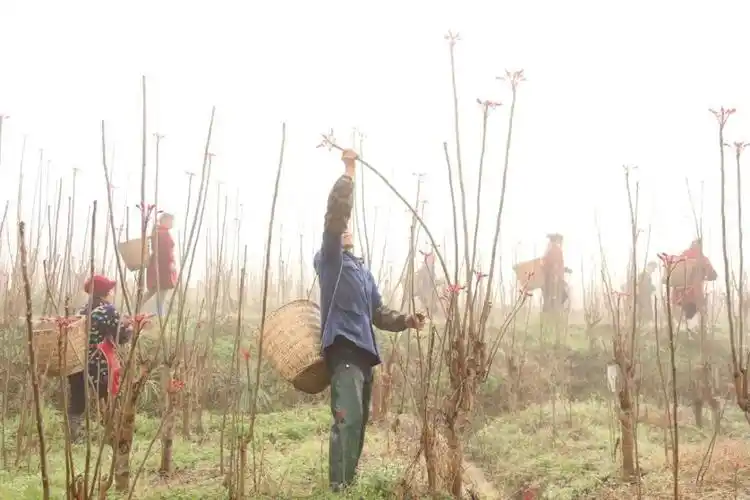
Cultivating trees during larvae and regularly triming after adulthood in order to improve ventilation and light conditions and to promote the growth of buds. Through rational trimping, the conditions for ventilation can be improved, thus increasing the production and quality of the incense. During the larvae period, we should focus on developing tree shapes, setting dry heights between 80 and 100 centimetres, and choosing 3 to 4 strong side branches as main branches to form happy tree crowns. In the case of adult trees, they should be trimmed every spring to remove dead, sick, weak and overtly branches to facilitate the onset of new growth, while the remaining branches should be cut in time for harvesting to reduce nutrient consumption. In addition, we can control the height of the plant in the form of a fragrance planted inside the facility, and promote the growth of the side buds, thereby increasing their production。
Pest control
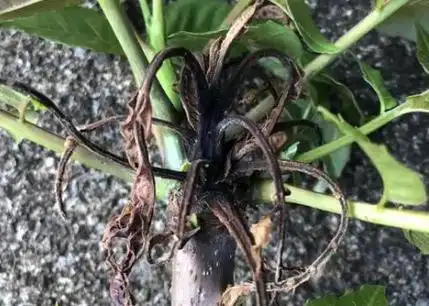
The common pests of fragrance are dust, leaf rust and various pests, which are controlled by integrated management measures. Pest and pest control is another key link in the management of fragrance fields, and we follow the principle of “preventives, integrated management”. Powder and folic rust are common diseases of the aroma, which can be effectively prevented and controlled through rational implantation, improved ventilation, and the spraying of agents such as multibactrin and methyl tobuzin in the early stages of the disease. At the same time, fragrances may also be threatened by pests such as fragrance caterpillars, aphids, or aphids, which can be used for physical control, such as leaching, or biological control, such as the release of natural enemies, and, where necessary, the spraying of low-toxic and high-efficiency pesticides in case of severe pests, with care to stop using drugs 15-20 days before harvest。
Winter preparedness measures
The fragrance of the ground needs to stay warm during the winter, while facilities need to maintain suitable humidity to support the growth of young buds. Winter is a challenge for the fragrances grown in the open. In order to keep warm, we can plant 30 to 40 centimetres of soil in the trunk base or wrap the trunk with grass rope. The fragrance planted in the facility requires us to control the temperature at 20-25°c during the day and 10-15°c at night to ensure that the buds are robust。
Through rational choice of breeding methods and improved precision management of the fields, we can significantly improve the productivity, productivity and quality of the fragrance, thus providing significant economic benefits to the farmers。