Reporter zhang yunwen
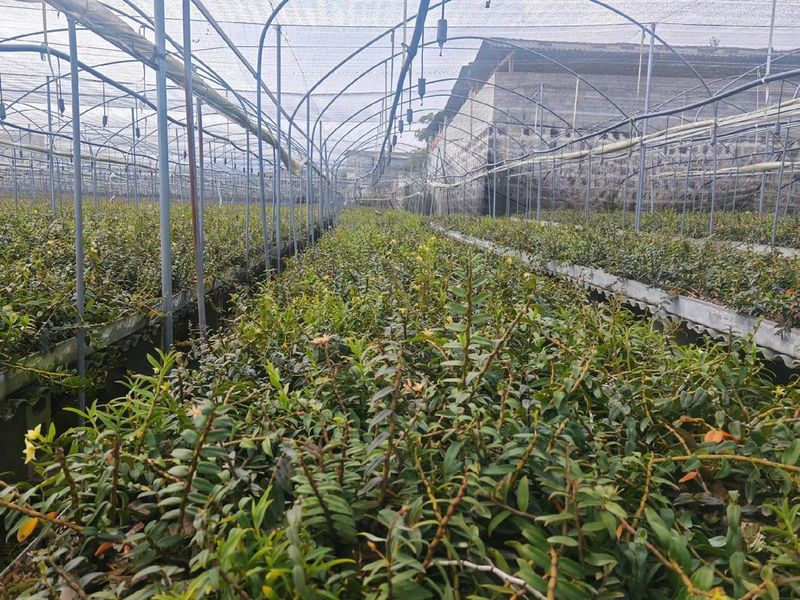
In the late autumn, the western corridor of the river was coated with gold coats, and the mighty mountains of the mountains were gleamed and coloured. Later in the afternoon, the soft sun spilled over to the 10,000 acres of plume base in the springs of shandan county, where a large slab of steel sprung a beautiful, modern agricultural scroll in the light. The harvest season has just passed, and a steel shed is still standing in the sunset, waiting for winter snow to baptize. On land that used to be dominated by traditional crops such as wheat and maize, a vibrant platinum is quietly changing the agro-ecological landscape. And this profound change is driven by a unique innovation platform that is deeply rooted in the fields — the yamada science and technology complex。
Wano-dreaming: the beginning of the transformation of niche industries
The sun is spilling warmly over the fields through the huts. Li jianjun, head of the shandan technological college and director of the shandan modern silk road dry agricultural industry federation, is looking closely at the soil in the country. The harvest season is over and is now the focus of winter field management。
When it comes to the value of platinum, li jianjun is like a few janes: “the plume, in its unique form, is also known as jade. The platinum is one of the world's top 10 dishes and is popular on the international market. Anthropopae is still an ecological sand cure.” li jianjun said, “it is particularly alive, it is hot for more than 38 degrees in the summer and it is frozen for less than 38 degrees in the winter. Cover the adult roots with earth and live in three years. You see, even though the harvest period is over, these roots are still alive, and that is the very foundation of the quality of our mountain beryllium.” li jianjun leaned down and pulled the straw over the root, pointing to the strong roots, saying that the sound was based on the confidence and pride of an agricultural technologist. This agricultural expert, who had spent more than 10 years in contact with the platinum, witnessed the unprecedented and large-scale development of the platinum. This land at the bottom of its feet, and the growth properties of the platinum. “remember that in 2012, i introduced the first australian neptunium species to experiment with seeding in 10 solar greenhouses at the dry zone agricultural model. I didn't think that the platinum had worked so well in shantan that it would be fresh in winter."
Sandan county is located in the central part of the western corridor of the river, at an average altitude of 2,500 metres above sea level, with annual precipitation of less than 200 mm, but with a daily per diem of more than 3,000 hours. This unique climatic condition, which is high above sea level, strong light, high day and night temperature, low drought and rainfall, and few pests and pests, provides a unique natural environment for the growth of beryllium. “no pesticides are needed in this place for four seasons a year. It is truly green organic food.”
Standing at a slightly higher base, more than a thousand standardized steel sheds rose and fell in the autumn sun. Li jianjun's introduction: “the platinum is a multi-year crop that can be harvested for 15 to 20 years in a single plant, but its growth characteristics are special: harvest begins in the second year after planting and yields less than 500 kg of land; acre production can reach more than 1,000 kg in the third year; and, with its roots growing in the fourth year, the acre production can reach a productive period of 2,400 kg ~ 3,000 kg. Oxygen can be harvested for long periods of time, but there are two most concentrated yields, the first in mid-april-early june and the second in september-october. At present, our acre production has stabilized at 1. 2 ~1. 5 t. Through a technical attack at the science and technology complex, we aim to increase the acre production to 2 tons within two years.”
However, a number of challenges were encountered in the early stages of the development of the shantan pelican industry. Although seeding had been successful as early as 2012, such problems as irregular farming techniques, low standardization, short industrial chains and narrow market channels had once constrained this niche industry from doing much. “traditional agricultural extension systems are difficult to meet the demands of industrial development, and the issue of the `last kilometre' between sti and agricultural production needs to be resolved.” li jianjun has spoken frankly。
Jijida: the roots and growth of science, technology and innovation platforms
In 2024, with the active contribution of, among others, the gansu provincial scientific association, the shantan pyrotechnic institute was established. This innovative platform, led by the federation of dry agricultural industries of the shandan modern silk road, and jointly built by the gansu province co-operative, the gansu province federation of agricultural technology associations, the zhang xian city co-operative, the heshi college, the shandan county co-operative, and the pelley vocational institute, has played an important role since its inception。
The science and technology complex is located in the twin bridge villages of springs town, not only in the core area of americium cultivation, but also in an accessible area, close to the 312nd line of the national highway and the railways of the sea, and adjacent to the resources of the cultural brigades, such as the yuhua sea and the rainbow glass band, creating favourable conditions for future industrial integration. The complex was built by an abandoned school, covering over 6,000 square metres of land and with adequate infrastructure. At the same time, functional areas such as science fairs, product display centres, laboratories, laboratories, training classrooms, specialist studios and live booths have been carefully planned and form an integrated platform for scientific research, training, demonstration and integration。
Into the labs of the science and technology complex, modern agricultural science and technology came out. Although some of the equipment has not yet been formally activated, the scientific dynamism of the site is already being felt. Li jianjun's presentation: “these equipment have been procured according to the actual needs of the development of the platinum industry, including soil analysers, agricultural quality detection equipment, fermentation cans of microbacterizers, etc., and with these advanced equipment we can better conduct scientific research and provide scientific support to the pelican industry.”
A brand-new multi-wing protection drone was particularly visible in the display area of smart agricultural equipment. “the drone lasted more than 20 minutes, operating at a daily capacity of 2,000 acres at a cost of only $5 per acre”. Li jianjun wrote a check for journalists: traditional hand-plugs were completed at a maximum of 3 acres per person per day, while drones were operating almost 700 times more efficiently, and technological changes were immediately visible。
The science and technology complex is unique in its innovative “production research” integrated operating model. This is a practical base for post-graduate institutions such as the haxi college and the pelley vocational institute, as well as a “field classroom” for local farmers. The windows of the expert studio are being used to test the field and researchers are ready to observe the strength of the plant; laboratory testing equipment is being made available to farmers, free soil and agricultural products testing services are being provided, and technology and production are actually being matched by zero distance。
Science and technology empowerment: breaking bottlenecks in the development of the pelican industry
Following the establishment of the science and technology institute, the system was designed to address key technological bottlenecks in the development of the platinum industry in six main directions: the production of cerium organically rich selenium, the golden stereotyping model, the application of micro-bacterial agents, the development of micro-algae fertilizers, the processing of cerium in depth, and the diffusion of intelligent agricultural technologies. Each research direction has a clear technical route and intended objectives。
"we have recently focused on experimenting with a model of gold-flooding." according to li jianjun, “golden can be effective in defusing the soil, improving soil aerobics and promoting the development of its roots, which in turn provides a source of food for the gold and creates a virtuous cycle. Preliminary tests have shown that this model increases the average acre earnings by about $10,000.”
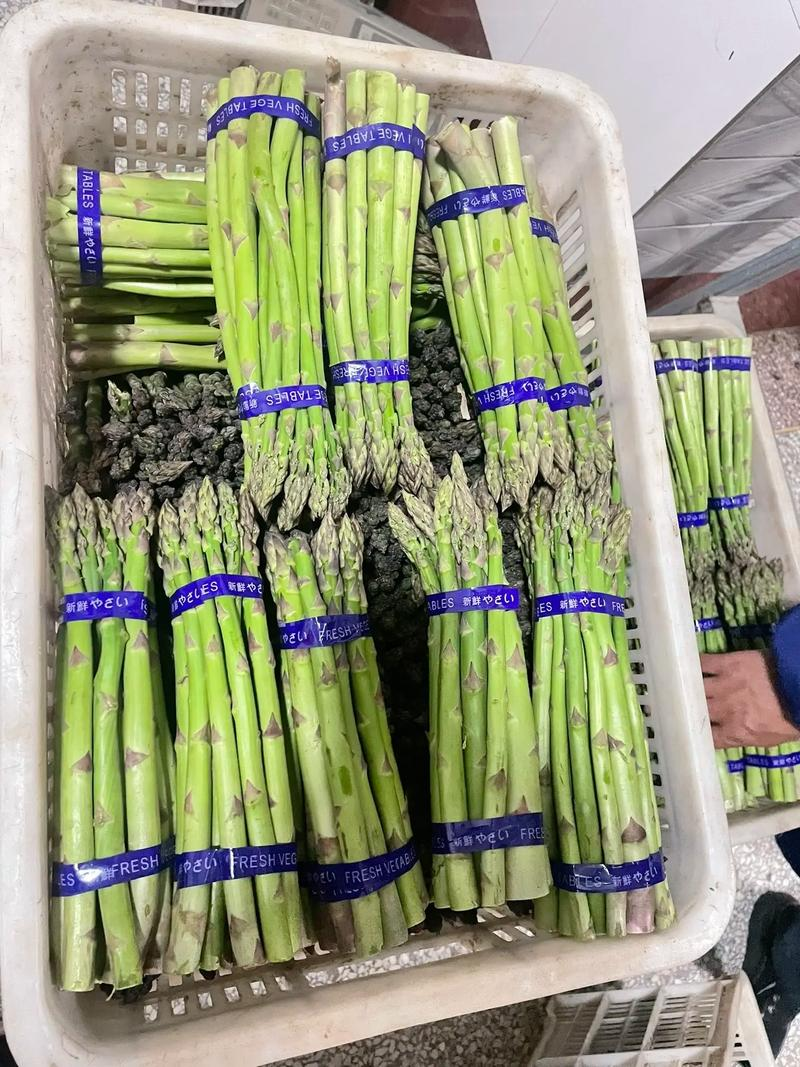
There has also been significant progress in improving the quality of neptunium. Through the demonstration of organically rich selenium cultivation technologies, the thorium content increased by more than 30 per cent and product value added increased significantly. Li jianjun picks up a box of fine-packed aluminum products: “the beryllium has been dubbed `the king of vegetables' and is rich in a variety of amino acids, vitamins and trace elements, in which cancer resistance and health care are particularly significant. The surface price of greenhouses last winter was 28 yuan per pound, and the average price remained stable at 8-9 pounds per pound.”
Green growing technologies promoted by science and technology institutions have produced good ecological benefits. Fertilizer use was reduced by more than 30 per cent through the application of new fertilizers, such as micro-algae fertilizers, while soil structures were improved. The thorium itself has a strong sand-fixing function, which further enhances the ecological quality of the region after scalable cultivation。
Talent-based agriculture: “lead geese” for rural renewal
The science and technology small institutes have developed innovative skills development mechanisms that have created a multi-level, three-dimensional system of skills development. The college has established in-depth cooperation with institutions of higher learning, such as the haxi college and the pelley vocational institute, which receive graduate students each year to undertake research on subjects. These graduate students were able to carry out both front-line research in laboratories and to solve practical problems in the field during their time at the academy, bringing together theory and practice。
“the past was based on experience and now on technology.” li jianjun lamented that “management during the past year, under the direction of the small house, not only saved 30 per cent of irrigation water, but also significantly improved the quality of platinum”
A series of training courses has been developed at the science and technology institute to address different aspects of the development of the platinum industry. At the plant level, emphasis is placed on training agro-workers in standardized farming techniques; at the management level, on the skilled handling of modern agricultural machinery; and at the marketing level, on the development of a live carrier and an electrician marketing skills. To date, over 30 sessions of various types of training have been held, with over 1,100 trainers, of whom 528 were agro-workers, 118 were farm operators and 479 were live operators。
“the `sunnon' live carrier training is one of our special features, and we have trained 479 anchors, and this year the shandan county order sales more than 85 per cent of total production, effectively addressing the problem of `sale difficulties' in agricultural products.” li jianjun is proud to say。
These systematically trained “new farmers” have become an important force in science and technology. In chen dynamite's aluminum base, trained farmers have been able to operate fully integrated water fertilizers with precision irrigation and fertilization. During the telecom, indigenous anchors were able to give a graphic picture of the nutritional value and cooking methods of beryllium, which effectively raised the brand profile of shantan beryllium。
Industrial integration: building a new paradigm for the development of the pelican industry bureau
With the help of the science and technology complex, the yamada pelican industry is undergoing profound change. A modern industrial system has been built up from a single plant to such areas as precision processing and leisure tourism。
Liu peng, head of modern agricultural investment limited, shandan county, described the plan to build 10,000 acres of aluminum in three to five years under the industrial layout of the county council and county government. “more than 3,000 acres have been cultivated, located in three bases, namely, kitsumi, quancheng and shuihu. The next step is to focus on the construction of facilities such as cold chain logistics, processing workshops and other facilities to support the development of the pelican industry.”
In terms of the extension of the industrial chain, the science and technology institute is actively promoting the development of technology for advanced processing of platinum. “we have been able to produce primary processing products, such as beryllium juice, but deep processing is still in its infancy.” li jianjun stated that “the emphasis in the future will be on the development of high-value-added products such as tea, wine and pasta to improve industrial efficiency”
The science and technology institute is promoting the integration of the pelican industry with tourism. Through the vast tourism resources of shandan county, springs town is building an industrial park for cerium that is growing, processing and seeing together. Liu peng described: “there are not only large areas of pelican cultivation but also facilities such as tourist troupes, experience zones, etc., in the park, and future tourists can come here to taste the pelican harvest and taste the feast.”
In the industrial business model, a “enterprise + cooperative + farmer” good development mechanism has been developed. Enterprises provide integrated seedlings, technology, marketing, etc., and farmers concentrate on production, effectively resolving the conflict between small production and large markets. A 50 per cent subsidy for seedlings and a two-year subsidy for new sheds of more than 500 acres has created a favourable environment for industrial development。
Revitalizing the painting: technology to light up the future of the country
Innovative practices in science and technology institutions have explored a replicable and replicable path to rural renewal in the western region. The multi-wheel drive of science, technology and innovation, talent development and industrial integration has resulted in agricultural efficiency gains, increased farmers ' incomes and a more win-win situation in rural development。
According to statistics, through the promotion of standardized planting techniques, the production of shantan acres has increased from 1 to 1. 2 tons and quality yields have increased by more than 20 per cent. At current market prices, acre yields an average of $18,000 and net profits of $6,000 to $7,000, two to three times the value of traditional crops. Liu penang analyses that: “the production costs and management of pelican cultivation are relatively low, and the profit from removing the acre from the cost can be $67,000, while traditional crops may be only $12,000.”
In terms of social benefits, the science and technology complex has led to the stable employment of more than 300 people in front of their homes and has effectively alleviated the problem of “empty” in rural areas. More importantly, the large numbers of “new farmers” trained in small institutions have become the backbone of rural renewal and have provided the manpower support for agricultural rural modernization。
“the success of the science and technology institute has benefited from its innovative `government + college + enterprise + farmer' synergy mechanism.” li jian jun concluded that “under this mechanism, there is close cooperation between the various sectors of government: government departments play a leading role in policy support, financial security and so forth; institutions of higher learning and scientific research provide human and technological support; enterprises play a dominant role in the market; and farmers, as the basis for industrial development, produce on a scale through participation in cooperatives, etc. Such a synergy mechanism serves the advantage of all parties and ensures the harmonious development of the industrial chain.”
In the new phase of development, the science and technology institute has a more ambitious development blueprint. In the area of scientific research, research and development inputs will be further enhanced, focusing on key technical challenges such as high-yield, high-quality cultivation techniques and green pest control technologies. At the same time, cooperation with scientific research institutes has been strengthened to introduce more advanced technological results and to build “technical demonstration fields” to improve the production and quality of neptunium by means of a “dotted face”。
In the area of talent development, the training system will be further refined and expanded, with no less than 20 additional training sessions and over 800 additional training sessions planned for each year. In particular, the training of new business owners and returning young entrepreneurs should be strengthened, and more qualified personnel should be trained for rural renewal. The institution will also deepen its cooperation with primary and secondary schools and conduct a variety of research and studies to sow the seeds of science and technology in the minds of young people。
In the area of industrial development, efforts will be directed towards the transformation of the pelican industry to high-quality development. On the one hand, the scale of cultivation continues to expand, aiming to achieve the target of 10,000 acres within three to five years, while on the other hand, efforts are being made to develop precision processing, extend industrial chains and increase product value addition. At the same time, it actively explores the model of integrated development of thorium+ and promotes industrial transformation。
In the sunset, the white buildings of the science and technology complex are particularly visible in the afterlife. Standing in the fields, looking at the long-distance platinum sheds, there was hope in the eyes of li jianjun。
It is still a long road from the seedlings of a platinum to a vibrant industry. But as long as the light of technology shines on the road and the sweat of farmers pours on the land, there will be more hope in this green mountain. This silent and profound change is taking place in this vibrant land, which is quiet but full of strength, like spring rain, silent but far-reaching。