011. Introduction and selection of new varieties
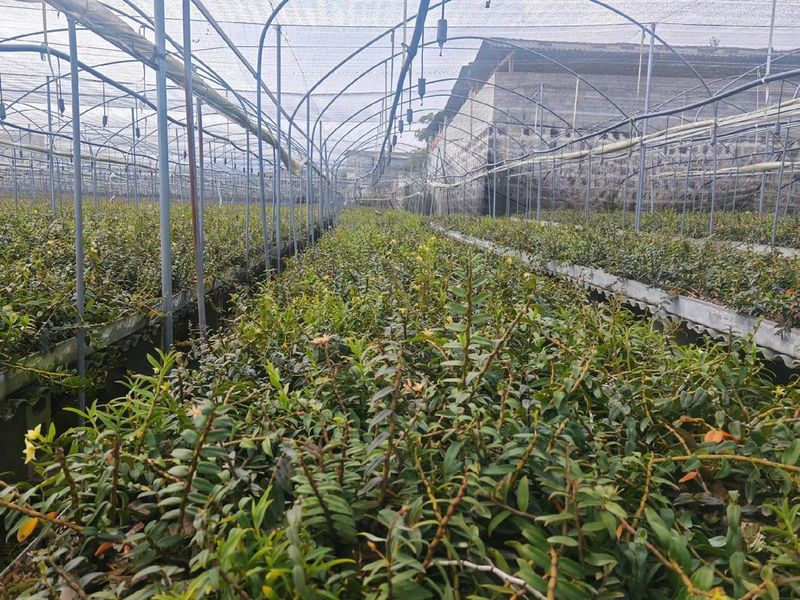
In 2011, heilongjiang jiejie land and biological engineering ltd. Successfully developed and promoted new varieties, such as the “choose embroidery no. 1” and the “rukh gymbry”. These new varieties have been identified as leading nationally and able to grow normally on saline land at ph 9. 5-10. 5, with a total salinity of approximately 1. 0 per cent。
Technology for nursery
2. 1 cultivation
The spring is the main period during which sand dates are planted. Pre-treatment of seeds is required in the first winter and december. Seeds need to be rinsed and evened with sand, placed in pre-dried depths of 80 centimetres, 100 centimetres wide, seed treatment pits depending on the size of the seed, or piled on the ground, covered with sands and filled with water. The winter is to be covered by 20 centimetres of sand when the water permeates or freezes. Seeds that are not stored in winter can be immersed for two to three days with 50-60°c warm water before being soaked, then mixed with horse dung to insulation. When 30 to 40 per cent of the seeds crack, they can be planted. The seedlings of sand dates can be broadcast in the field at a distance of 25 centimetres and at depths of 3 to 5 centimetres, with about 100 seedlings per metre and 40 pounds per acre. This was done in a timely manner, with an inter-sapling in early june, at a distance of 7 centimetres, with a final stock of 30,000 to 40,000 seedlings per acre. At that time, she was able to grow up to 50 to 60 centimetres, so that she could forest。
Autumn seeds do not need seeding。
2. 2 plug-in reproduction
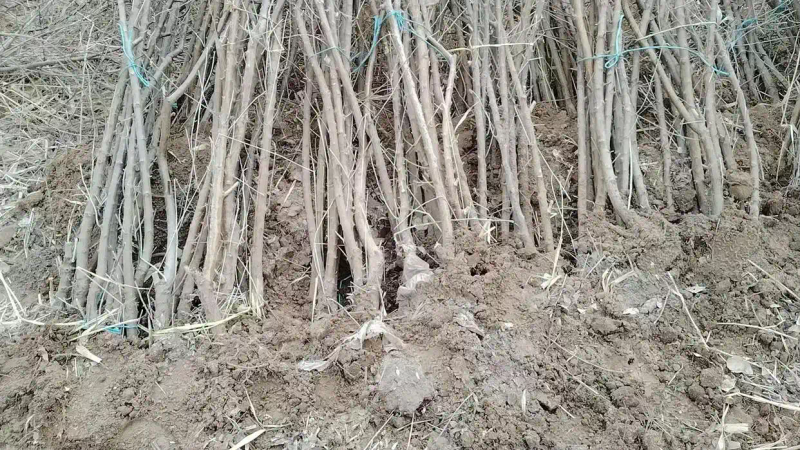
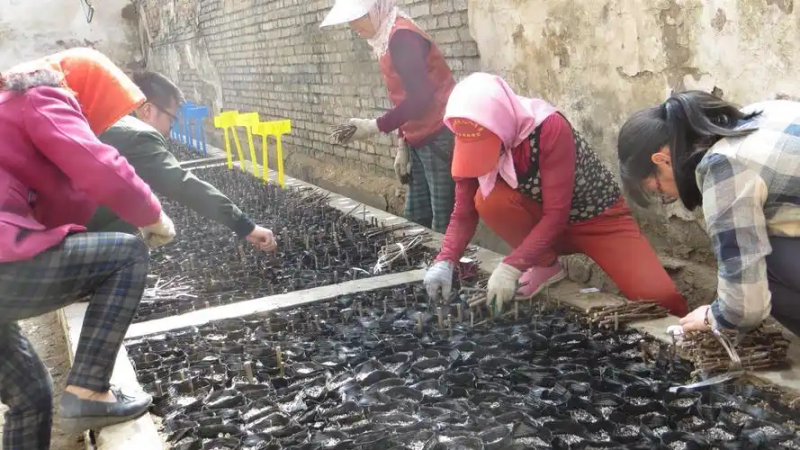
Cultivation is often carried out at the end of spring and early autumn, with the use of the thick branches that were born during the year as an inch. In the case of small branches, strong branches must be grown between the end of the spring and the early autumn, and cut into a 5-15 centimetre segment, each with at least three leaves. Stipulation takes place after the temperature of the early spring has recovered, with the selection of a strong branch for an embedding, with three to four knots in each section. You need to keep your cuts flat when you're cutting。
2. 3 battered seedlings
Stemming seedlings are a seeding method that promotes rooting by burying branches in the soil. Specific operational steps include the selection of appropriate branches, proper treatment, burial in the soil and maintenance of appropriate humidity and temperature to promote root growth. This approach applies to plant varieties that are difficult to reproduce by sowing or poaching。
Picking a strong branch, about 15-30 centimetres from the top, stripping a circle of bark, the width of the skin being kept at about one centimetre, the depth of which is appropriate for the skin being removed. Subsequently, a 10-20 centimetre-long, 5-8 centimetre-wide film was cut, a wet garden was placed in the middle, the strips were wrapped up as tightly as the wound, and the upper and lower ends of the film were secured, and the middle part was strung up slightly. After approximately four to six weeks of nurturing, the stripping takes new root. When the new root grows, the branch with the root is cut off and a new independent plant is established。
Building and planting
3. 1 landscape
Select the slopes of the topsoil, which are deep and slopes between 6 and 25°, using a horizontal approach. The terrain determines the spacing of the band, which is typically set at 3-4 metres, with a gradient of 1. 0-1. 5 metres wide and an inner low, and construction of drains and earth. A full-scale tillage of 30 cm depth, followed by the digging of 60 cm stubbles at the distance of the date line, where the topsoil was mixed with farm fat。
3. 2 slim quality specifications
The selection of certified seedlings ensures that the tree is 0. 6 cm or more in diameter, 90 cm or more in height, 15 to 20 cm in diameter in the root system, and that the roots are rich and sprouts are full. At the same time, the trees are checked for mechanical damage, pests and freshness。
3. 3 cultivation
Autumn leaf planting or replanting during spring, february-march, when tree fluid flows. Before planting, 20-40 kg of farm fattening was applied inside the cave and evened with topsoil. When planted, the tree is placed in the centre of the cave, and the root system is evenly and evenly spread, and the soil is filled up to a depth of two thirds, with light seedlings, ensuring that the roots are stretched and in close contact with the soil. It then lays down its soil, then fills it up to the ground, continues to do so and waters it adequately. After the water has been leaked, it is covered with debris. Finally, materials such as dried leaves, grass or straw are covered to keep warm and humid, and soil is accumulated to preserve water. If it does not rain after planting, additional water is required in time to ensure survival. The length of the line was initially set at 2. 5 m x 4. 0 m, and the distance was adjusted to 5 m x 4 m after the trees were closed。
Land-based water management techniques
During the winter, date trees are to be earthed at depths of 20-30 cm in order to deepen the living earth layer and promote soil fertilization. At the same time, the burial of dead branches not only increases soil fertility but also freezes winter pests。
Adequate base fat should be applied for the months of october to november following date harvesting. These are based mainly on late-acting farmers, such as fertilizers, composting, green fats and nitro ash. There are also differences in fertilization according to age: fifty kilograms per tree age for 10 years, 100 kilograms per tree age for 20 years, and 120-150 kilograms per tree age for more than 20 years. After a winter period of decomposition and complication, these base fats will contribute significantly to the growth and flowering of the leaves of next year's date。
Water is also an essential link in the growing of palms. In particular, during the long-term period of fresh birth in april-may and the increased fruit in september, water requirements were high. During both periods, water should be watered in conjunction with fertilization to ensure normal growth and high productivity of date palms. In addition, winter irrigation in november-december will not only contribute to the decomposition of base fats, but also provide a good soil environment for root systems and ensure their safe winterization。
For the flat zone, it can be combined for timely irrigation. In hard-watered areas such as mountains, drought-resistant practices, such as the maintenance of soil and water and the accumulation of rainwater through engineering to cure mountains, fish pits, horizontal terraces and ground cover, can be implemented。
555. Orthopaedic shears
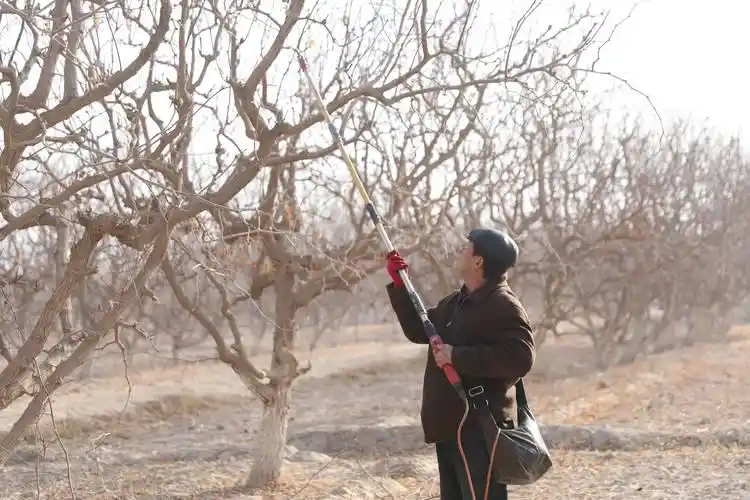
This tree uncentreded backbone, which is based on a natural happy form, retains 3-4 main branches between 0. 6 and 1. 0 metres of trunk height, forming a central empty canopy, which is controlled at a height of 2. 0-2. 5 metres. This tree is considered to be an ideal tree because of its advantages, such as the opening of tree crowns, good ventilation, simple plasticization, rapid formation, early outcome, high yield and easy management and harvesting of fruit。
The specific integrative steps are as follows: on newly planted date seedlings, the choice of full buds at altitudes ranging from 0. 8 to 1. 0 metres is made to dry their hairs in order to stimulate the growth of side buds. Subsequently, three to four balanced branches were retained as the basis for the trunk and four to six branches were cultivated on each branch to expand the canopy. The canopy of natural happiness can be shaped through a few consecutive years of side branches。
Harmful biological control
The main pests facing the date are the date lice. We can take a variety of measures to combat this disease and pest. The first is chemical control, which includes the use of pesticides in conventional sprays, or the selection of 741 smokers or amphibious smokers in cases where the area of the sand-tree forest is large and the density is high。
At the same time, we can use biological control methods, using the natural enemies of sand-tree lice, such as bees, lilies, etc. In addition, other prevention and control measures include the strengthening of parenting management, such as manure management of date-palms, in order to increase their resistance to insects. During winter or early spring, trunks can be painted white or dryed with a 60% d-m combination of 200 times the fluid to reduce the occurrence of pests. The use of bt emulsants can also be used for spraying control during the seasons of sand-tree and wood lice。