In the vegetables that we eat now, the fragrance is often seen and prices are not too low, and in some places it can even be sold to 20 or 30 pounds; it is widely sold, and most people prefer to eat it, and it itself has some drug value. One of its greatest advantages is that it is simple to grow and resilient, and it is a crop that growers like to grow, which is more common in rural areas, and many start to grow in large huts。
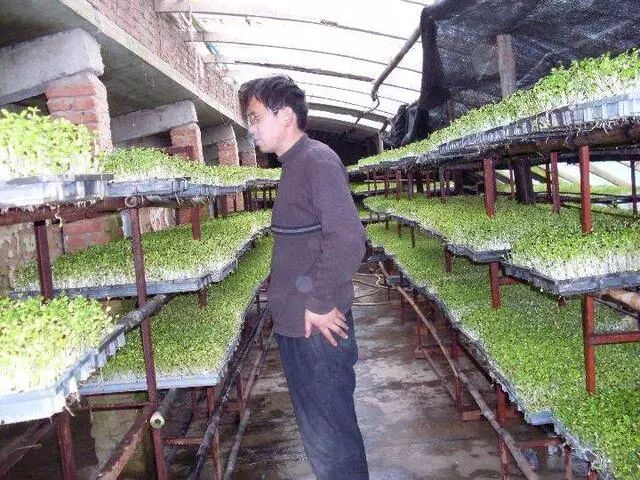
Feeding
I. Cultivation
Its cultivation is relatively simple, growing through planting, and the seeds are cheaper and more productive, so most growers use them。
1. Field cleaning. There are three aspects to planting, the first of which is to ensure soil fertility, which is a very important factor, since the fragrance is not environmentally demanding, but the demand for nutrients is so great that sufficient nutrients must be available to ensure the growth of the fragrance tree; the second is to ensure that there is no pollution, and if the soil is contaminated, it will certainly lead to problems in the growth of the fragrance tree, which is the most important area of concern to both the grower and the consumer; and the third is to have easy access to water, given the relatively high demand for water, which is essential to satisfy the need for fragrance。
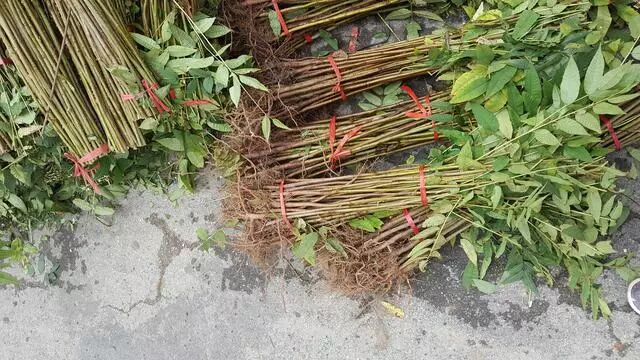
Feeding
2. Treatment of seeds. The first step in treating seeds is the use of formaldehyde solution, which at this stage is the most susceptible to bacterial contamination, since the fragrance itself is resistant to formaldehyde, so it is the use of formaldehyde to disinfect the seeds and to ensure that bacteria do not appear on the seeds so that the fragrance trees can grow better; the second step is high temperature immersion seeds. In order to help a better seed germinate, high temperatures are usually used to impregnate the seed, which strengthens the seed, using a temperature of 30-40 degrees celsius to impregnate the seed, until the temperature is reduced to 25 degrees centigrade; the third step is to place the seed in water for three to four days, ensuring a gestation rate, which is characterized by about 35 per cent of exposed white。
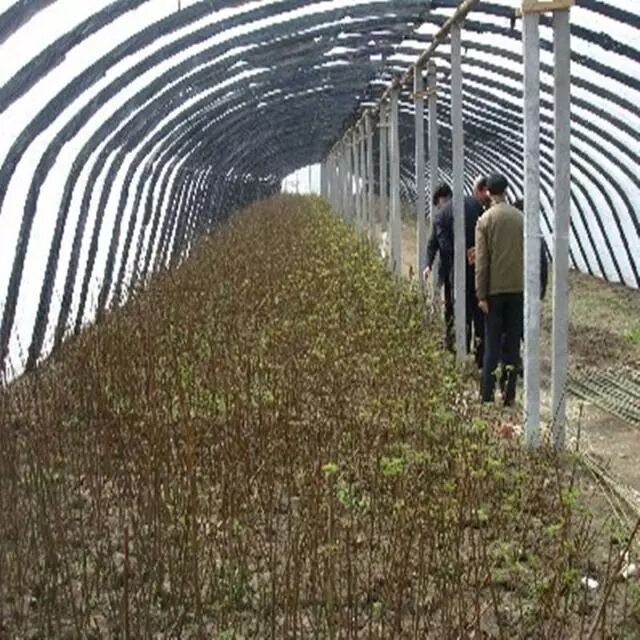
Champagne cultivation
3. Cultivation. Seeds are grown with special attention to temperature, because they are more sensitive to temperatures, lower temperatures, and seeds are prone to problems, and there is no way to germinate, especially when they occur at lower temperatures, causing the death of the seed. Therefore, outdoor temperatures are required to be above 5 degrees centigrade at the time of planting in order to ensure better growth, otherwise the germacy rate will be reduced。
Management. In the process of growing, the management of the seeding season must be done, especially with regard to fattening, because of its high water requirements, it requires a great deal of water, which can be done in such a way as to ensure its need for moisture, so that the fragrance can grow better. All we need to do in the process is to catch up with phosphorus and nitrogen fertilizer, which he so badly needs, but the stock in the soil does not meet the need for the fragrance, which we can use to meet its needs, mainly phosphorus and nitrogen fat, and not too much in the pursuit of fattening, which can easily lead to fragrance growth。
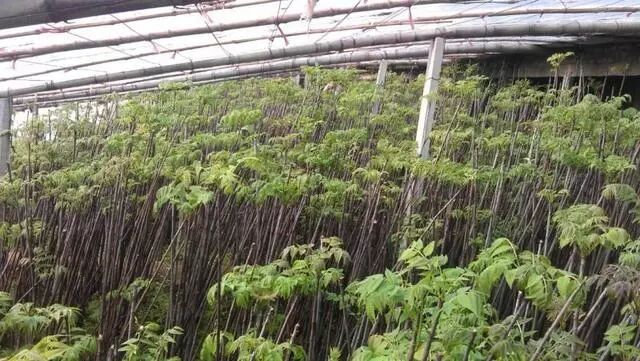
Plantation
Ii. Construction of sheds and removal of vanilla
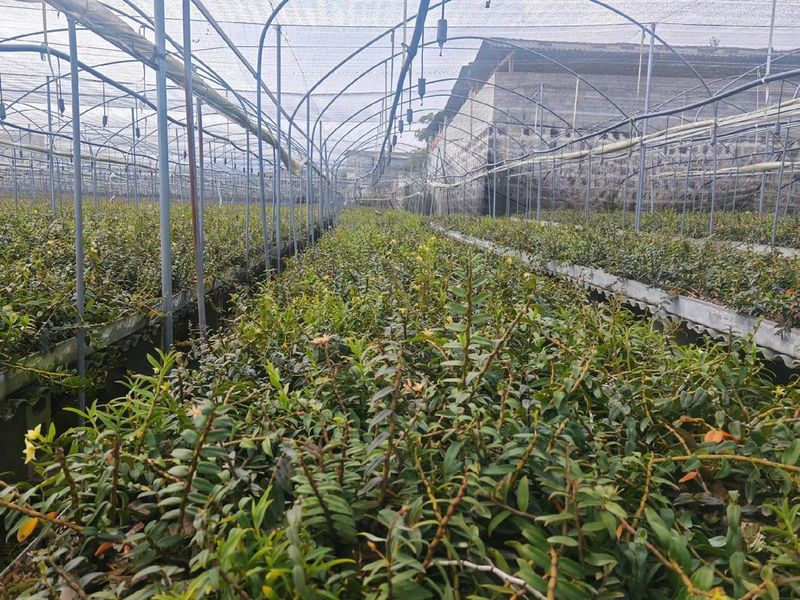
1. Construction of sheds. With regard to construction, the main consideration is the higher temperature requirements of the vanilla, so it is important that the temperature be kept in place, especially when the temperature drops faster at night, and we need to address the related problems in a comprehensive manner, generally by adding a layer of conservancy outside the shed to ensure its growth。
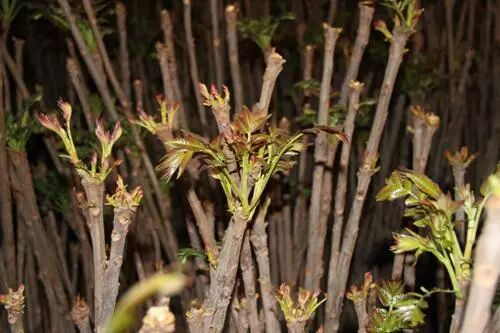
Champagne cultivation
2. Deplantation. In the process of planting, the fertility requirements for the soil are high, so it is possible to improve soil fertility comprehensively before planting, using 200 kg of diamine and 15,000 kg of chicken dung. The large use of diamine ensures that the soil is more fertile and meets the growth needs of fragrance. The lack of phosphorus and nitrogen fertilizer is generally not present at the maturity stage of the fragrance, so the simple use of diamine is sufficient to ensure its growth, and 50 pounds of urea can be added to the third draught。
Iii. Field management
Blocks. After the fragrance was planted, we used the shacks to ensure the temperature in the sheds because the fragrances were more demanding. If the shacks are not held in time, they can lead to inadequate temperatures and death of the incense。
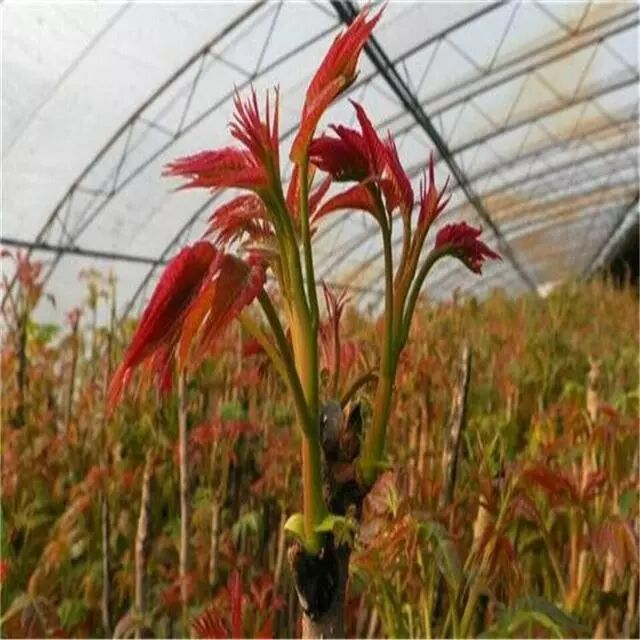
Champagne cultivation
Temperature management. The growth of the fragrance is also required for the management of the temperature, first of all the temperature, and secondly the humidity, which is watered in the absence of moisture, while the lower temperature requires temperature preservation and temperature upgrading. The temperature in the shed is 18-24 degrees during the day and 12-15 degrees at night. Temperature is guaranteed at about 15 degrees, which is good for slow seedlings. It's about 83% wet
3. Use of hormones. After planting, 4-5 hibernation sprouts on the top of the aroma were painted with a sapling of 100-118 sprouts in a single gram, followed by an agitated sprouts one to nine days a week, increasing production by 10-20 per cent。
Champagne cultivation
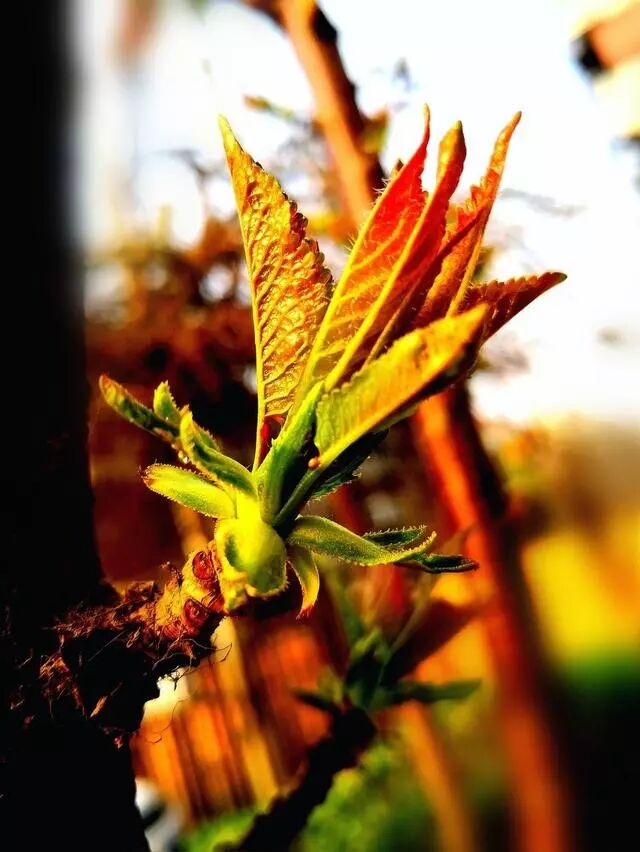
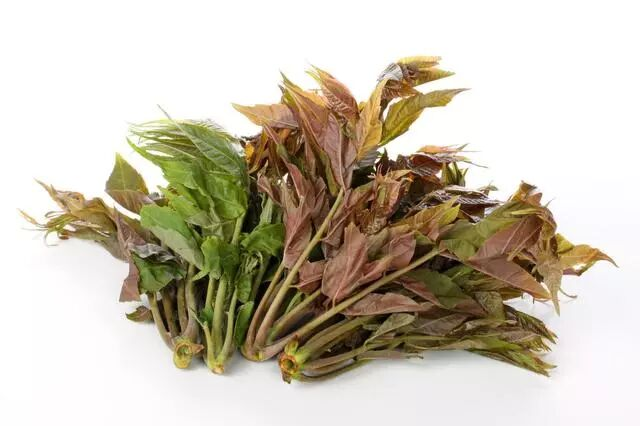
4. Timely harvest. At the right temperature, 40 to 50 days after the shack, the bud begins to grow, and when it looks at a better color, it starts to harvest, it affects production, it starts earlier, it starts later, the fragrance is ageing, it is of lower quality, and it generally reaches 15 to 20 centimetres. The sprouts can be harvested as a whole, with one or two leaves kept as supplementary leaves, preferably in one day, morning and evening, usually once every other week to 10 days, with a total of 4 to 5 harvests, 2 to 3 days before each harvest, with the use of potassium phosphate and 0. 5 per cent of urea on the face of the leaf to be applied interchangeably, with water to be fertilized about half a month after the start of the harvest, and 40 kilograms of ammonium nitrate per acre of fatting. In mid-april, the fragrance seedlings in the shed were usually flattened, with 10-15 cm above ground level, with trees standing at about 10 cm, with more than 2a cm remaining at 15 cm, then shifting to the open field for planting, with a distance of 30 x 40 cm, with an acre of around 6,000 fields, with a timely pine soil being ploughed after planting, and a sprout being selected for the next year。
Champagne cultivation
5. Combating pests and diseases. Relatively few pests and pests are found in the fragrance trees, so there is no need to spray them when they are taken. When it comes to its seedlings, it is prone to sudden fallout, adhesion, root decomposition, etc., and we can treat it in a timely manner by using 25% of the more than 600 times the wettable powder, or by using one% of the 600 times the double-effect spirit for root treatment, every other week, two to three times the same time, and more often than not, the fragrance pests are oxen cattle, caterpillars, moths, etc., and we can treat it with 80% of the trichlorfon crystals, or with 150 times the 40% of the lactum cream。
The revenues from this plant are more objective, but they need to be considered in the context of local market conditions before planting them to avoid losses. (fireba says agriculture)