Headhunting services
Headhunting is usually a very effective way of recruiting for high-end positions. Headhunters have a wealth of human resources and professional recruitment skills that can help businesses find the right talent. While headhunting services can increase recruitment costs, they can bring good talent and value in the long run。
Iii. Interview techniques: choosing and business image
Interviews are an essential part of the recruitment process. Successful interviews not only help businesses to find suitable candidates, but also raise their profile。
1. Preparation of interviews
Prior to interviews, enterprises should prepare a series of targeted questions covering the professional skills, work experience and teamwork of candidates. This ensures a more systematic and efficient assessment process。
2. Conduct interview law
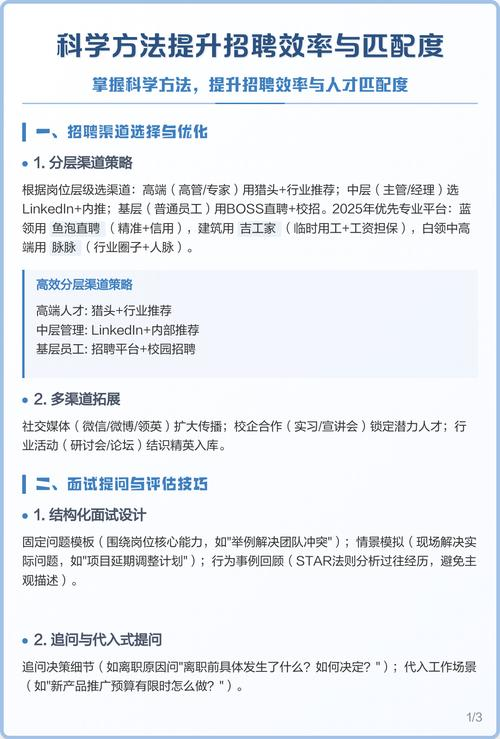
Conduct interviewing is an effective interviewing technique. The future performance of candidates can be predicted by questioning their specific past behaviour. This approach allows interviewers to have a more comprehensive understanding of candidates ' competencies and reduces risk of hiring。
3. Interview environment
The interview environment directly affects the performance of candidates. Ensuring a quiet and comfortable interview environment allows candidates to better demonstrate their abilities. The equipment in the conference rooms should be checked ahead of interviews to ensure that all work is carried out smoothly。
Assessment and feedback
Upon completion of the interview, the enterprise should assess the candidate in a timely manner and provide feedback. This not only helps enterprises to make decisions, but also enhances the popularity of candidates with the company。
Iv. Staff training and staffing strategy: integrating talent into teams
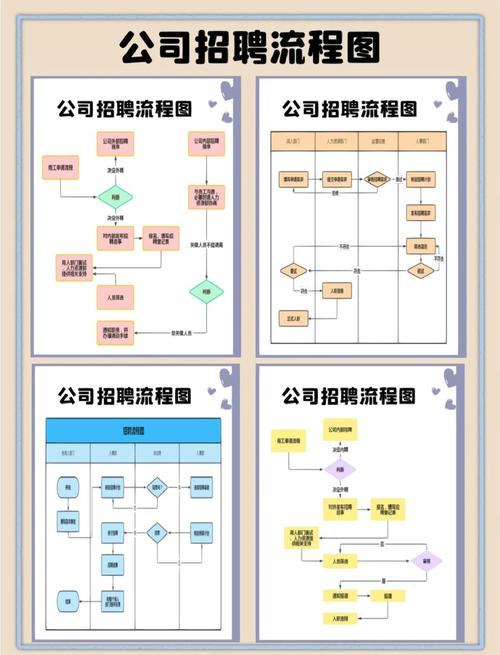
Recruiting the right people is only the first step, and retaining them is equally important. Enterprises need to develop effective training and retention strategies to increase staff satisfaction and loyalty。
1. Induction training
Once a new employee is on board, the enterprise should provide systematic training to help them adapt quickly to the work environment. For example, training in corporate culture, work processes and job skills allows for rapid integration of new employees into teams。
2. Career development opportunities
Enterprises should provide career development opportunities for employees, including promotion, training and continuing education. By helping employees to achieve their professional goals, enterprises can promote their loyalty and motivation. Regular career planning activities help staff set future goals。
3. Staff care
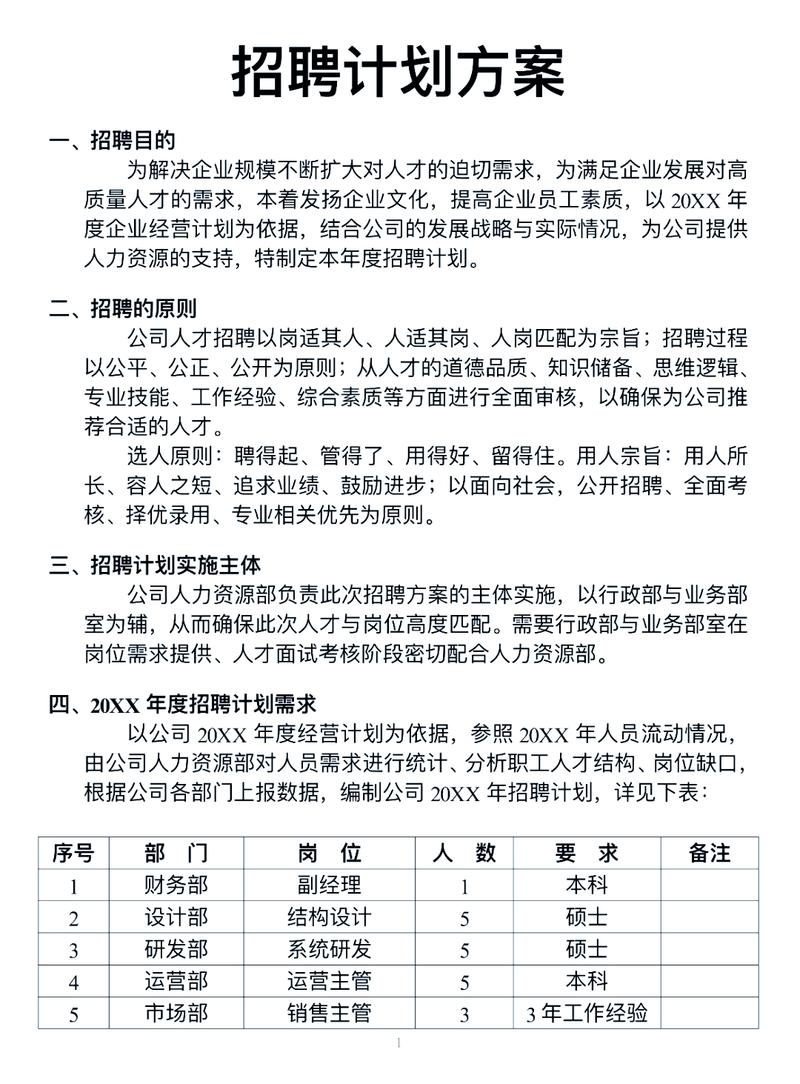
Attention to the physical and mental health of employees is also an important means of retaining talent. The organization of team-building activities, the provision of psychological counselling, etc., can enhance staff satisfaction and belonging. When employees feel caring, they are more likely to contribute their value to the enterprise。
4. Incentives
Reasonable incentive mechanisms can be effective in promoting staff motivation. Enterprises can fully mobilize their initiatives by encouraging employees to participate in company development in a variety of ways, including pay, bonuses, and equity incentives。
Summary: strategic and complex recruitment
In conclusion, recruitment is a complex and important task, involving multiple links and strategies. Through the development of detailed recruitment plans, the selection of suitable recruitment channels, the application of effective interviewing techniques and the implementation of staff training and retention strategies, enterprises are able to identify and retain suitable talent, thereby enhancing overall competitiveness. Recruitment is not just a simple process, but an important component of enterprise development strategies. In a modern business context, firms can only be competitively neutral if they continuously optimize their recruitment strategies. It is hoped that this paper will provide some valuable input and advice to enterprises in the recruitment process。