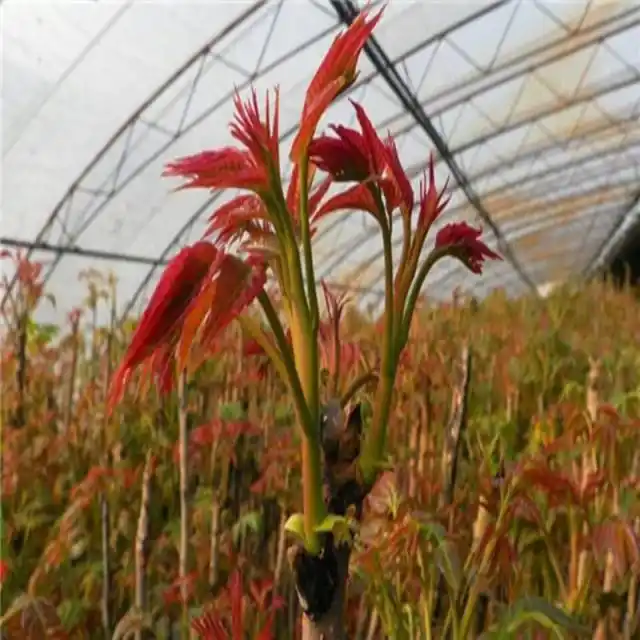
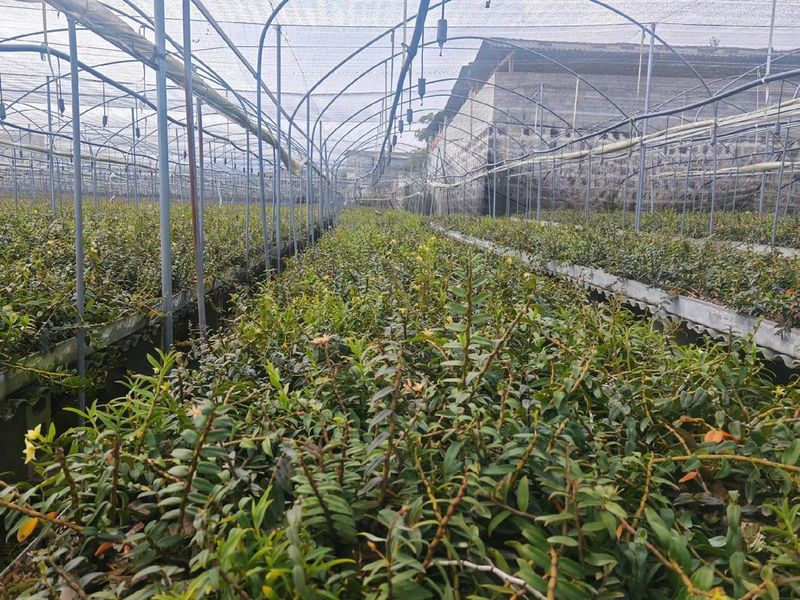
Cumber reproduction consists mainly of root breeding, split breeding, adhesion breeding and seed breeding. Root breeding is the extraction of roots of about 0. 5 to 1 cm, the interception of 10 to 15 cm in nurseries and the production of new plants. Divisional reproduction refers to the seedling of the root of the fragrance tree, which can be planted. Incisive reproduction is mainly the result of a one-year root-processing process with half-wood or less than 70 wood-based branches to produce new plants. The three methods of reproduction are suitable for small-scale cultivation, with large areas of reproduction largely dependent on seeds, and an acre area can produce 20,000 standard seedlings, which are fast and cost-effective. The following are some of the measures to improve the success rate of seed reproduction:
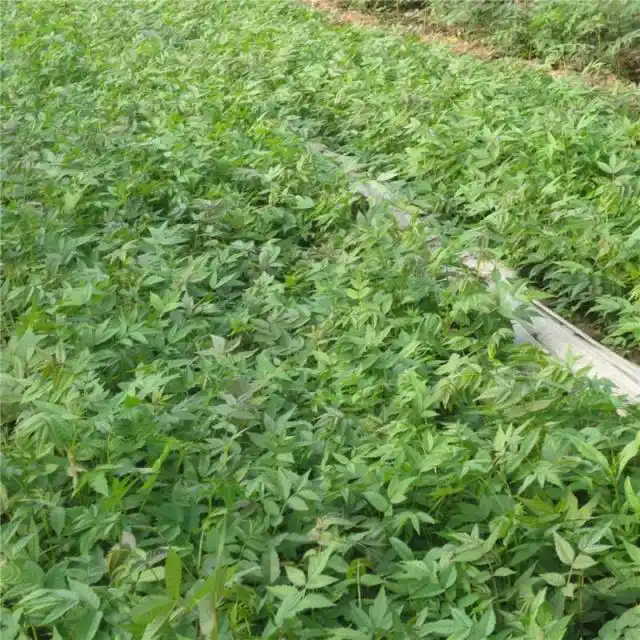
1. Rational selection and collection. A healthy, locally appropriate breed is chosen, and seeds are collected on 15-30-year-old plants without pests. In general, red or red fragrances are used, and in some cases green fragrances are preferred or may be properly grown. Zirconium fruit is harvested in a timely manner when it becomes yellow. A few days of sunbath will break, remove impurities, and preserve them in a dry environment. The seed sprouts could have reached more than 80 per cent in that year and fell below 40 per cent in the second year。
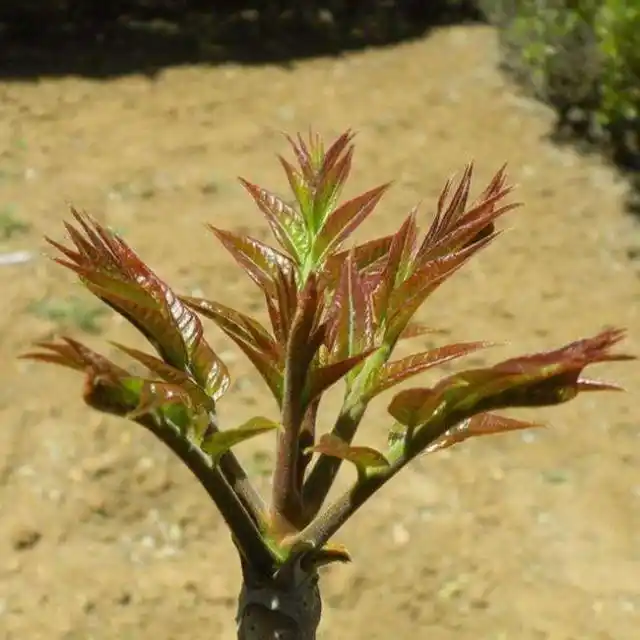
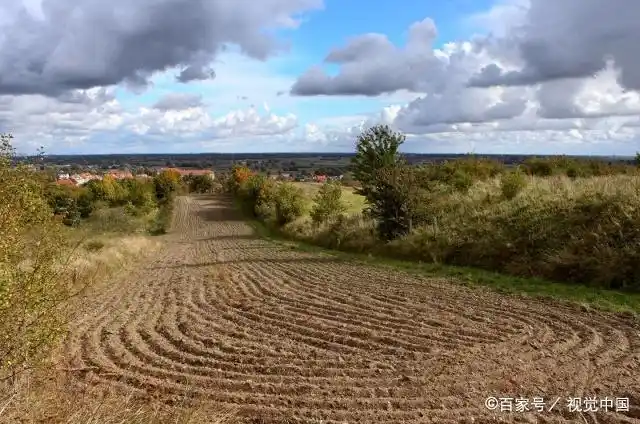
Selection of nursery grounds. Land is easily drained and drained from the sandy land and the land is chosen as nurseries. It is possible to sow the seedlings, and it is possible to sow them in ditches, depending on local customs. Premature and fine-tuning of the soil to begin planting when it is ready to enter the ground。
Seed seed seed treatment. Three to five days before the planting, seeds were immersed in 45 degrees of hot water for 12 to 24 hours, until the seeds were drained and washed several times with water, incubated in a temperature of 20 to 25 degrees, covered with wetting material, washed every day with water to prevent the fever of the seed. Some seeds are sowed when exposed。
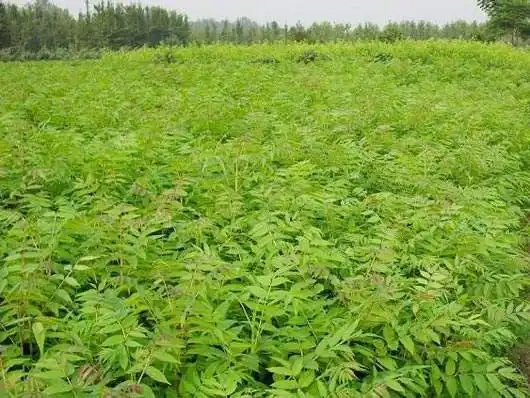
Seeding. In general, in late march, planting must take place at the latest before the rain. It is spread 25 centimetres away after planting in a gutter. Water is poured in the ditch, and when it is immersed, the seed that causes the buds is spread evenly into the ditch, covering 1 - 1. 5 cm. Eight kilograms per acre and 20,000 seedlings. Covering the membrane or grass curtains in front of the scene, 80 per cent of the seedlings were removed. When the seedlings grow or grow at about 5 cm。
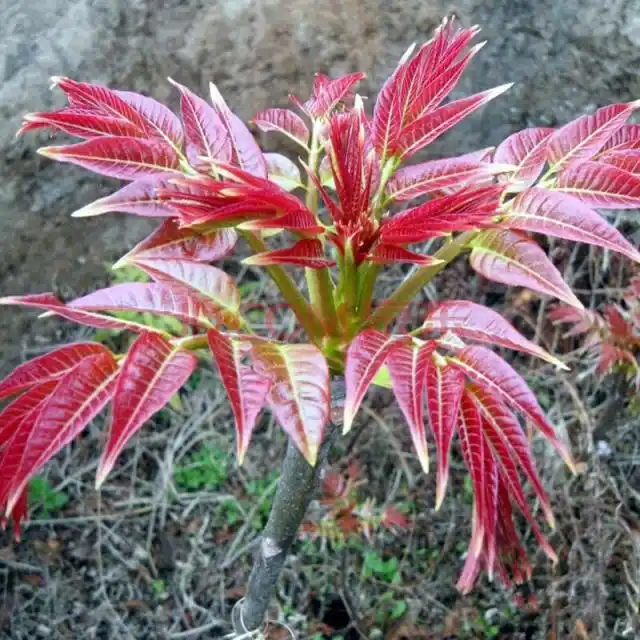
5. Nursery management. The seedlings are followed once by human urine or nitrogen fertilizer, and the soil is often kept dry and wet until leaves turn yellow. In general, the roots of the seedlings can grow up to 1 cm in that year and meet the level 1 seedling standard。
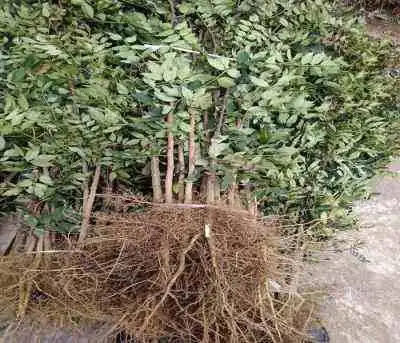
If it is used as a greenhouse to plant sprouts, one month after the fall of leaves, and after the hibernation period, the tree is grown at a standard high density of 30,000 acres of land, the following mid-april, after the sprouts have been harvested, can be grown and the tree position restored for sale as a tree。