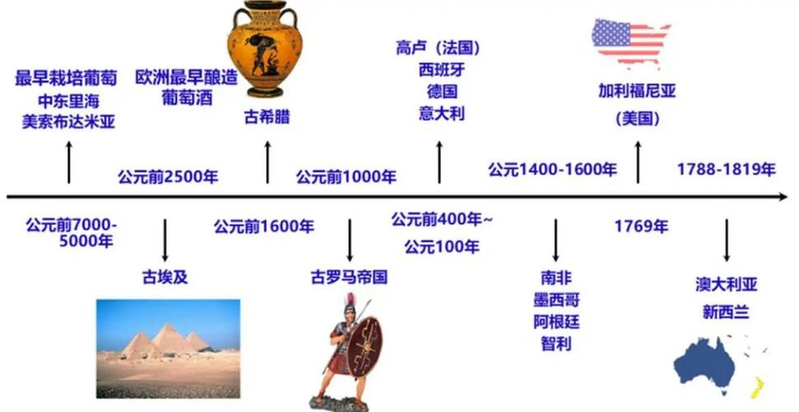
From tang dynasty until the establishment of yuan dynasty, china has been in a situation of division similar to the confrontation between the north and the south, which has had a certain negative impact on grape cultivation and wine brewing in china. In general, however, there has been some development in grape cultivation and wine brewing in central china, particularly in the south, which, of course, remains the main source of grapes and wine production。
In the eastern part of tang dynasty, which produces grapes and wines, the position of the main producers of grapes has continued during this period, but the brewing of wine has declined in part. In the poem of the song dynasty mok, there was a great deal of response to grapes and wines in the eastern river. Zhao zingmin said: “and the state is cold, summer hail, autumn and early frost, the wind is bad, the diet is poor, and the river is not caught. But the wine is pure, and the fruit is beautiful, and it is crowned all over." according to the old five history, the zhou taizu guangcheng year (951) is the dynasty dynasty, which includes grapes from jinzhou (shangxi qi qi qi qi zi zi zi zi zi zi zi zi zi zi zi zi zi zi zi zi zi zi zi zi zi zi zi zi zi zi zi zi zi zi zi zi zi zi zi zi zi zi since the grapes of jinzhou and wuzhou can be donated as tributes, their quality is undoubtedly high and their production is estimated to be considerable. Grape cultivation is also available in the state of angu county, but unfortunately its technique of making wine has been lost. "we have so many grapes in our city that we don't know how to make wine." in tang dynasty, the capital had been pouring wine into the court, and during the song king period its grape cultivation and wine brewing were still well known. In its general book, wu zheng said: “the wines have been made from ancient times, to the east of the ping river, from the beginning of the brewing process”, “the rest of the world is in taiwon, to taste it”, and they are acclaimed by taiwon. The evidence is a cloud: “it is found in the east of the river and in the counties of the u. S.” and “it is either made today or sent to the capital as grapes”. Sema-gwang described the "mounty is too early to be heard" in sending bae to taiwon. And fasting is ripe, and it's never too late." yellowwood's poetry: "the tiger's ink can be sent, and the horse's milk can't wait. The upper party should drink hard and the two rivers should be separated”. Su-soo is in the clouds of "shei taihara for peach." the book says: “there are great grapes in the east of the river, except for the earth, and they reach the kyoshi - the 122s and the purple powder.” it can be deduced from crixus hui's dining foods, that there is also grape cultivation。
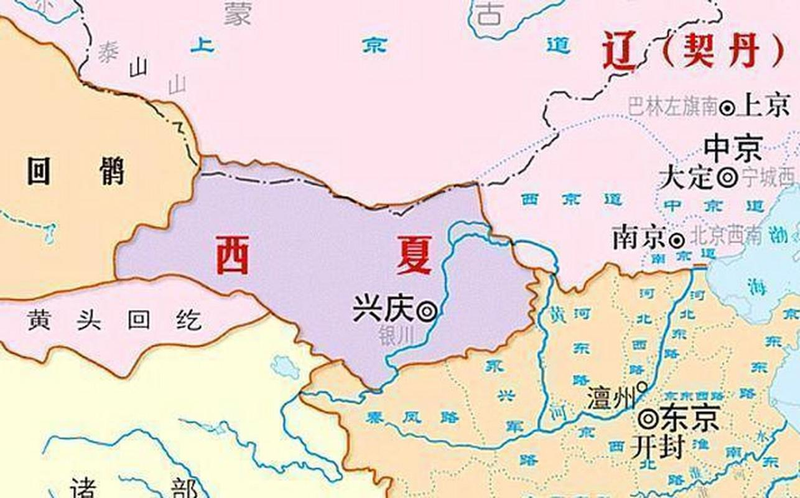
Grape cultivation and wine brewing in henan and hebei regions are on a further trend. Grapes are grown in the south capital of the sijing river, the opening of tokyo and the final state. The situation in the hebei region is described by mayozen in "the grapes of fan king": "the chao is tired and the purple cream is thick. It's now ma valley, and it's made of liang state wine." owing to the special status of tokyo's opening house, its grape cultivation and wine brewing industry has grown rapidly and is reflected in the literature. Song ki-kil has documented that the opening of the palace is made of grapes, such as the right house, pei's home house, with one of the peaches. Doctors are more interested in growing grapes in private forests. The grapes that opened the south garden were described specifically in " all 10 of the entrusted gardens " . Mayollius poetry: “the southern court of plots, thousands of milks and stones to chase.” “the neighbor's uncut child, which leads the chicken to the top of the wall”. Su-soo, in "sho-yu-yu's 11th song in the gardens of yao-yu", two-thirds, said: "the brush is too full to be fit." the city of deng wrote in "tokyo dream": "before the mid-autumn festival -- 孛 孛 色 色 橘 橘 橘 ”; ”; ”; ”; ”; ”; ”; ”; ”; ”; ”; ”; ”; ”; ”; ”; ”; ”; ”; ”; ”; ”; ”; ”; ”; ”; ”; ”; ”; ”; ”; ”; ”; ”; ”; ”; ”; ”; ”; ”; ”; ”; ”; ”; ”; ”; ”; ”; ”; ”; ”; ”; ”; ”; ”; ”; ”; ”; ”; ”。
In the year of the year of the yangtze (1126), han yong's new wine, improvising a cloud of poems: "the wine with its spring water overwhelms the cloud and the rice spring." at that time, han bing was in charge of the town of wongzhou, thus confirming that huangzhou was growing grapes and brewing wine. It is written in "inquiries of misery" that "students of zhijong -- who sleep in the evenings of xiaodong zhu zhao — are used to saying things, and they leave grapes. It is possible to assume that there are grape plantations in yangzhou。
Gangnam is the region with the most significant progress in the development of grapes and wines during the song xiajin era. According to the chen xikong researcher, grape cultivation in gangnam during the southern song period has become common. In addition to the grape cultivation already in tang dynasty, both changzhou and suzhou have also planted crystal and horse-milk grapes. Lake county is well known not only for planting horse-milk grapes but also for producing wild grapes. The kyoshi is in the best conditions in the country and has grown two kinds of grapes: crystal and manau. Sau xing has both wild grape varieties such as platinum and widespread cultivation of manau and slurry grapes and is able to make wine. Taizhou produces green and violet grapes, and the queen's land is growing high-quality crystal grapes. There are also grape cultivation in fukuo. From the records of local history, such as zing dianhing, xianxi hsing xinjiang, qian kawaji, zheng shui shui, xian xuan xinjiang, zhang xinjiang, qiang xinjiang, qiang xinjiang, zhongqing xinjiang, xuan xinjiang and sun hei xuan, we can see that grape cultivation has become a common phenomenon in all parts of the south. This may in part be the result of the displacement of people from the north to avoid war. As the capital city of southern song, the market is particularly well developed and there is a tendency to commercialize grape cultivation. “the yellow one, the purple one later, the yellow one's name beads, and the round and transparent manau”. The dream beam cloud: "the grapes, the yellow and white, the beads, the crystals, the sweetest, the purple and the maroons later" and it says, "there's a pallet stretcher in the vase, a song called the seller, among them cherries, new walnuts and dried fruit and grapes。
Grape cultivation and wine brewing have also developed in the south-west. According to the song's old story, wine was well known at that time in rutalzhou (sichuan canal county). Zhang kenshin has also recorded this in the wine note. Song kiu wrote in lean dynamite: "swiss south-west likes chicken, green, hot, right green." it's a green cloud。
In addition to the areas where the grapes and wines listed above are produced, there are many places where tang dynasty used to produce grapes and wines, and although there is no conclusive documentation that this remains the case during this period, there is no evidence to the contrary that this possibility exists. The expansion of grape cultivation and wine brewing is linked to advances in grape cultivation and wine brewing technologies during this period. Following repeated experiments by the working people, techniques such as shanty-planting, embroidery and grafting, and cyanide protection against winterization have been widely applied and promoted, and methods such as fermentation of grapes, corsets of grapes, dry grapes and cereal corsets have become known, as well as methods of distilling wine. With the increase in the production of grapes and wines, their impact as commodities has grown, as have their socio-economic and cultural effects. "china's wine discovery series"