There is a growing promise for the plant, and many farmers' friends are starting to grow it themselves, so recently many vegetable friends have been asking how to plant it and what are the main points of the technique? Let's find out next time with the editor of weinon network。
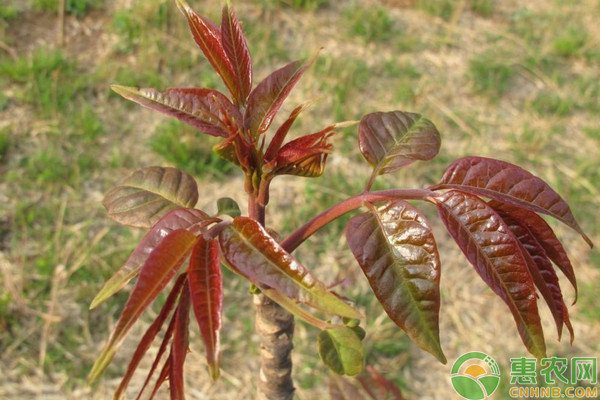
1. Biological properties of the fragrance
1. 1 morphological characteristics
The fragrance is a tree that has been born for many years, with trees up to 3-7 m tall and up to 10 m high。
1. 2 biologicality
Xinjiang is warm and suitable for cultivation in areas with an average temperature of 10-15°c, and its resilience increases with the age of the tree. A one-year-old seedling, live with seeds, may be frozen at -10°c. The fragrance is more damp and suitable for growth in fertile and humid soil by the river and around the compound。
1. 3 types
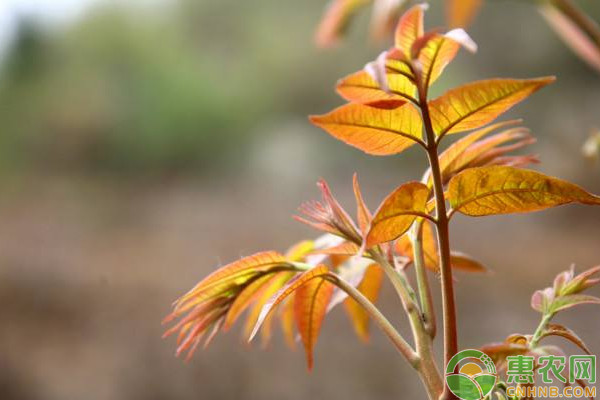
The variety of fragrances is large and can be broadly divided into the large categories of fragrances and green fragrances, depending on the colours of the budding and leaf. The verbs are of black oil, red oil, red fragrance, fragrance, and green fragrances are of blue oil, yellow umbrella, etc. The variety of fragrances varies and their characteristics differ. The fragrance canopy tends to be more open, with early buds of purple red, radiant, fragrance, less fibre and more oily; green fragrance, with a straight canopy and less oily。
2 reproduction and nursery
2. 1 cultivation
Because of the low sprout rate of scavenger seeds, prior to sowing, the scavenger seeds are immersed 24h in warm water of 30 to 35°c and then picked up and sprung at 25°c. The minimum soil temperature is 5°c at the time of seeding, when rice grains are exposed. When the fragrance is sprouts, the sapling occurs at the birth of two to three stalks, and at the birth of four to five sprouts at the distance of 25 cm x 15 cm。
2. 2 divisiond reproduction
One way is to dig in the early springs into seedlings that are planted on the seedlings, which grow to around 2m in the following year, and then plant them; the other way is to dig 60 cm deep ditches around trees at the beginning of the winter spring, cutting off parts of the sides and then levelling them。
3 plantation
3. 1 general planting
When the sprouts are made, they are laid before the early spring spring. A large area of fragrance garden is built at a distance of 7 m x 5 m, with a single row and a 5m range behind the canals. Two to three times after planting, to improve survival。
3. 2 digital digital
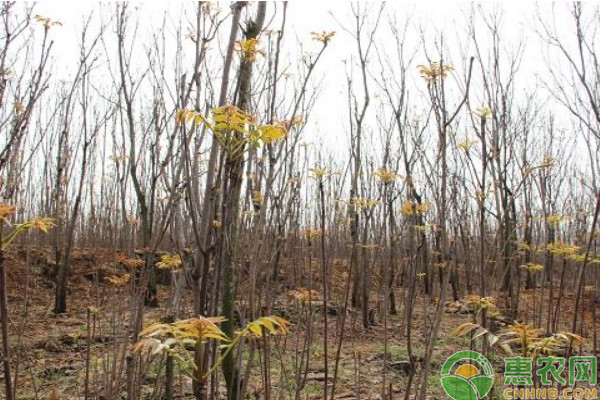
This is a form of planting that has developed in recent years. It is grown in the same way as the general method of planting seedlings, except in terms of planting density and tree-type shearing, which is generally 600 666 m2. The tree type can be divided into: (1) multi-layered: removing the roof slightly when the seed is up to 2 m, prompting the sprouts on the side to form a 3-layered stem, 1st layer 70 cm above the ground, 2nd layer 60 cm from 1st floor and 3rd layer 40 cm from 2nd floor. This multilayered trunk is high, wood is fully wooded and production is more stable. (2) scrolls: 1 m tall, with new hair branches, with only fresh leaves not sprouts, and when the branch is 20-30 cm long to wipe its head, characterized by shorter trunks and larger branches。
4. Management techniques
4. 1 general administration
The fragrance, which is usually cultivated, is more common in field management, but in order for it to grow quickly and produce more, attention must also be paid to the management of fertilizers and pests. If the weather is dry, water should be poured in time, pine land should be cultivated every year, and green fertilized best in the row, may
It's either plowing into the ground or pouring human and animal urine. Insects include fragrance caterpillars, cloud oxen, herbicides, etc., which can be combated by pesticides such as antibactericides, and diseases such as folic rust, powder, etc., which can be combated by agents such as bordeaux and thiomers。
4. 2 shrimp intensive plant management
4. 2. 1 temperature regulation
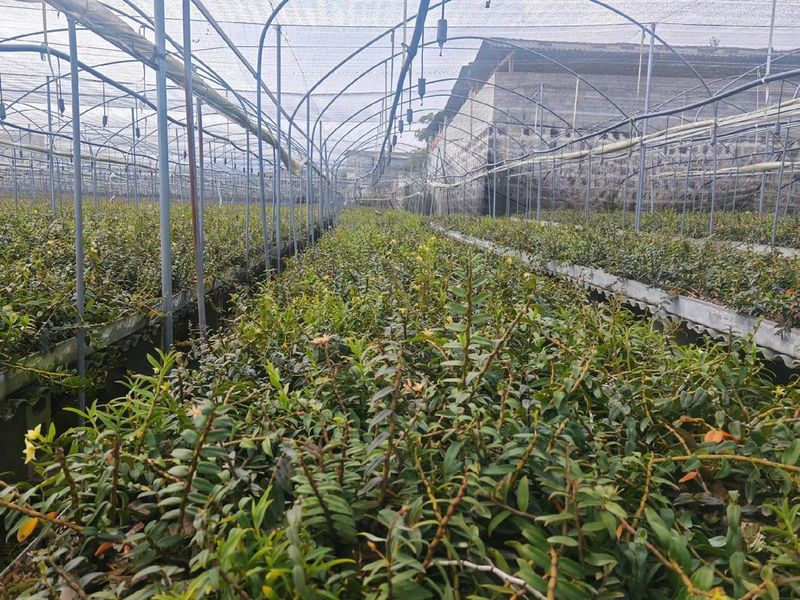
The temperature of the shed is around 25°c, and 24h sprouts can be 3-4 cm long, while in the case of 15°c, it is only 1 cm long; when the temperature of the shed exceeds 35°c, it affects the colour and quality of the sprouts. Post-depression 10-15d is a slow-growing period and efforts should be made to increase the temperature, which can be around 30°c during the day. After more than a month of natural light temperature accumulation, the bud is pre-emergenced at 25-30°c during the day, 13-17°c at night, suitable for 18-25°c during the sprouts, and, as the case may be, grasshoppers, paper are added to or kept warm。
4. 2. 2 humidity reconciliation
The trees in the greenhouses have poor water-absorption capacity and it is advisable to maintain high soil and air moisture at an early stage, so that they can be planted with water and, as appropriate, water later. The relative humidity of the air is maintained at over 85 per cent and water is sprayed on the trees in the middle of the day in case the water is dry. After a bud, the relative humidity of the air is 70 per cent appropriate, it is oversized, not only is it slow to germinate, but the scent is significantly diminished, and it should be humid in a timely manner。
4. 2. 3 light corrections
The radiant light shall, to the extent possible, be selected with a drip-free membrane, which shall be lifted in time for the day, and shall be regularly cleaned up in order to increase the light and, if the light is too strong, shall cover the sun properly。
5 picking
The fragrances of common and condensed plant cultivation usually sprouts before the light, before and after the rain can pick the sprouts, and the sprouts grow around 20 cm long and begin to harvest when the colour turns red and brown. The harvest shall be carried out by cutting the bud with scissors or fast blades and not by hand in order to prevent damage to the bud and tree body. Newly grown fragrances are collected up to two times, and after three years they can be collected 2-3 times a year, with corresponding increases in production. The sprouts take place early and late, and when they are taken, they are packed, usually at 1 bundle per 50 to 100 g, and are sealed in plastic bags to prevent water from being lost。
These are all the elements of the art of fragrance farming. We welcome our farmers' friends who need it. We can also recommend it to more people who need it