On 25 july, a reporter from the shanghai university of transport (shanghai university) informed a journalist from the chinanew net sea on july 25th that, after several years of research, a team of grape science scientists from southern universities and scientific institutes, such as the faculty of agriculture and biology of the shanghai university of transport and commerce, had managed to overcome the problem of “incompetence with water and soil”。
Grapes are dry and dry, so china has come to the conclusion from ancient times that grape cultivation “not south but the yangtze river” is the norm. In the 1980s, shanghai and the yangtze provinces began to produce large, disease-resistant grapes, but under conditions of heavy rainfall, low sunlight and high groundwater levels, the disease is severe, the spray is high, the agricultural waste is high, the quality is poor, and the production of good-quality fruit is low。
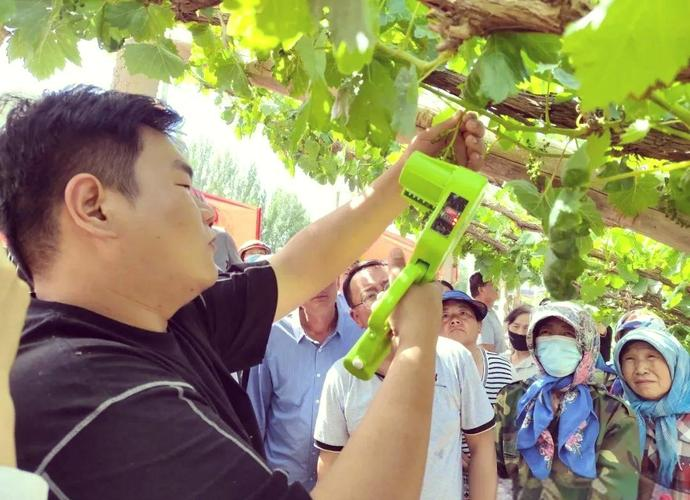
Professor wang shiping of the shanghai college of agriculture and biology told journalists that rain in the south was heavy and the air was very wet, and grapes grew in the south, and were prone to the symptoms of “many diseases, severe diseases and few varieties”. In terms of cultivation techniques, the southern grapes follow the tree shape of the north, with old trees, low light utilization, low leaf cover, low photo-interception rates, combined with rough, poorly controlled management of fertilizing water from the south, management of fat and large water, and lack of precise technical indicators to regulate the supply of fertilizers. For a long time, good-quality grapes sold on the markets of the south continue to be delivered mainly in areas such as the north, where prices remain high。
As a result, professor wang se ping has introduced 242 good varieties in the country and abroad, and 33 new varieties have been screened and identified. Eight of them are selected independently. A variety of different colours and flavors of grapes can be found in the market, ranging from green to purple, from shallow to deep。
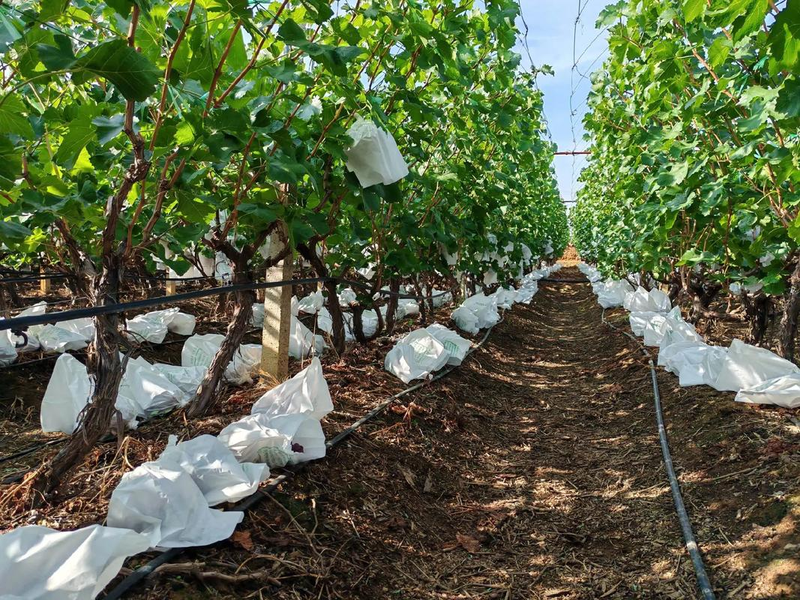
The new results of the wang se ping group have also overcome deficiencies in the high groundwater table and soil weight in the south. Professor wang se ping described the team as the first international development of the technique of limiting cultivation at roots and establishing the first set of precision and controllable cultivation techniques for chinese grapes. The technology has significant advantages in terms of small land (15-25 per cent of the vineyard area, “no land per day”), high productivity, high quality, regulatory convenience, management savings and environmental friendly. It is considered that “a new and forward-looking technology that has gone beyond the traditional cultivation theory in the field of fruit trees in recent years, and has significant developmental significance, represents to some extent a new area for the development of fruit tree cultivation”。
Supported by the results of these technologies, the research teams, through integrated demonstration, have promoted good grape varieties and supporting farming techniques in the south. In production, more than 50 per cent of energy and 20 per cent of fertilizer are saved, the quality of fruit is significantly improved, the soluble solids content of fruit is increased by 2-4 degrees, the fruit is colourful, the flavor is enhanced, and the price of the product is increased by 2-10 yuan/kg. It is also possible to start production at an early age of 1-2 years (the demonstration park in shanghai meets the production requirement in the second year after planting, with acre production of 1264 kg). The quality of wine produced by wine brewers has also improved significantly, with improved product efficiency and visibility。
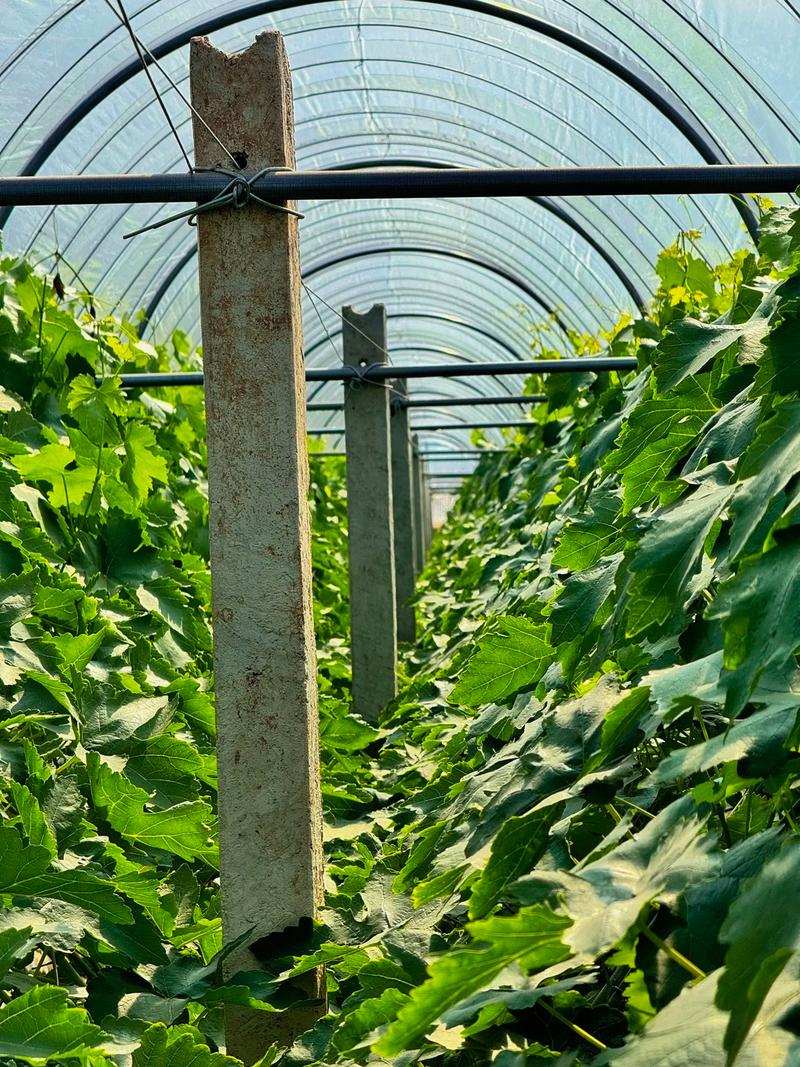
Over the past three years, 3,87. 29 million acres (90 per cent coverage of excellent varieties) have been used in cumulative applications, with a cumulative increase of 12,454 million yuan in production, an increase of 9004 billion yuan in income and a provision of 77. 46 million jobs. Each year, nearly 179. 8 million tons of good-quality grapes are provided to urban and rural residents, not only locally, but also to traditional areas such as beijing, hebei, shandong and to viet nam. This key technology, which limits the root area of the south and is rain-shielding, was also awarded the 2013 national prize for scientific and technological progress, the first national prize to be awarded to the agricultural institute。