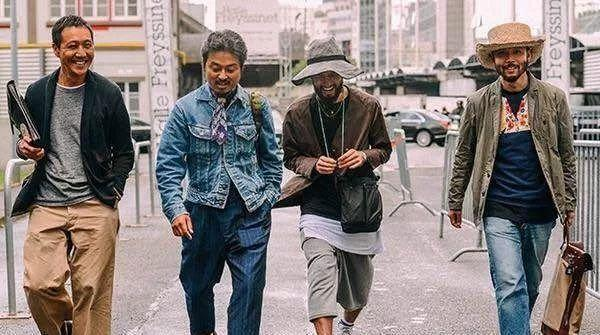
The difference between american retro, japanese amekaji and chinese amish
The american retrogression, the japanese amekaji and the chinese américa, while all revolve around the retrocultural culture, each has a unique development history and style。
I. American retrogression
The american retrospect has its origins in the united states and its emblematic elements include jeans, flight jackets, motorcycle jackets, leather boots, leopard shoes and hawaiian shirts. This style was initially closely linked to the culture of garments, the culture of motor vehicles, the culture of western cowboys and the indian culture, and reflected the diversity and spirit of freedom of american culture. The raw, coarse quality of jeans, which is a representative piece of american retrogression, is very popular。
Amekaji, japan
Amekaji (アメカジ) is the abbreviation of american casual, meaning american leisure. This style was introduced into japan in the 1940s and 1950s, influenced by american troops and hollywood films, and rapidly became popular among young people. In japan, amekaji, based on the preservation of american retrogents, was integrated into japanese indigenous culture and developed a unique style。
China
Ameji is a chinese translation of "amekaji" in japanese, but there is a certain difference in china between ameji and american retrogression and amekaji。
Summary
The american retrospect, the japanese amekaji and the chinese américa, while all revolve around the retrospect culture, each has a unique development history and style. Amekaji in japan focuses on precision and layout adjustments, while he also focuses on the development of water-washed jeans, while ameshi in china prefers original jeans, and consumer groups have high economic capabilities. Remember, the original cowboys, amekaji, amekaji, but they are all important elements of the vintage culture. In retrospect, it is of the utmost importance to follow the preferences and attitudes of one's own heart。