In 25 years, the institute for the recruitment and development of teachers in nanjing has to prepare the written examination around public knowledge (60 points) and subject expertise (100 points) in a phased and systematic review focusing on breaking through the core module. The following is a specific preparatory strategy:
Public knowledge (60 minutes)
Public knowledge covers teaching, public science, nanjing humanities, contemporary politics, and is based on a single theme (20 x 2), judgement (5 x 1) and material analysis (7 + 8). Qualification module break:
1. General education (education, psychology, educational psychology, etc.) 2. General knowledge of public sciences 3. Material analysis, second subject, scientific expertise (100 points) examination

Scientific knowledge is examined by discipline, with topics including selection, subject matter and curriculum design. The preparation for the examination needs to take into account the characteristics of the subject:
1. Language english, political history, physical and chemical 2. Sound, psychology, information 3. Science, early childhood iii, common preparedness strategies
Phased review:
Basic phase (1-2 months): a review of teaching materials to build a knowledge framework。
Enhanced phase (1 month): encapsulation + summary of errors and targeted omissions。
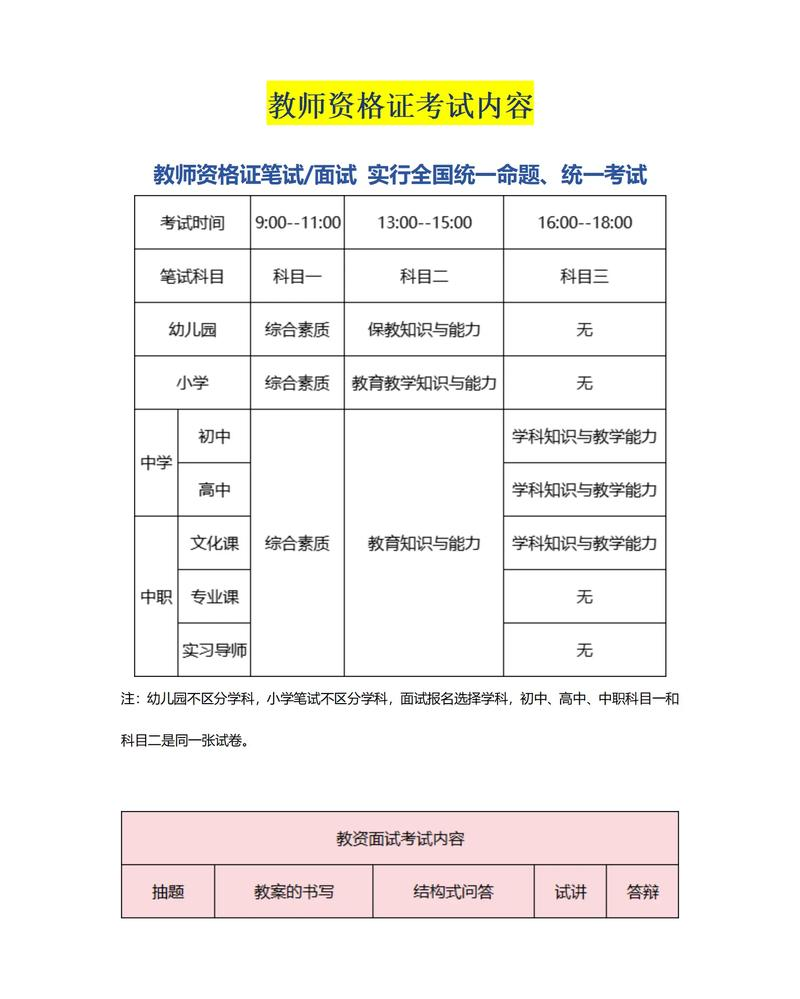
Sprinting period (15 days): simulation of examinations to adjust the response rhythm。
It's an encapsulation
A daily exercise of 20-30 questions is conducted using the quayuan applet line brush (participants version)。
Creation of error files to analyse the causes of errors (e. G., missing knowledge points, unclear issues)。
Attention to examination developments:
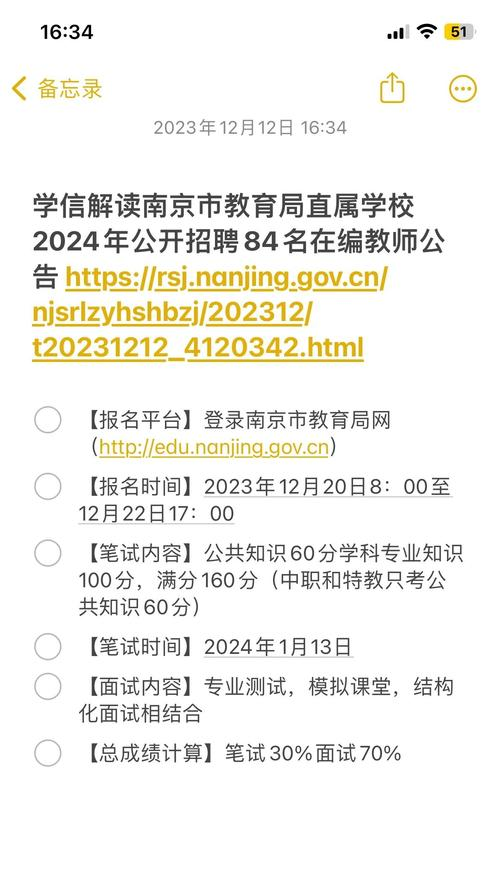
Regular visits are made to the network of officials of the nanjing regional education offices to obtain updated job announcements and examination outlines。
Join the pool and exchange information with candidates (e. G. Time of registration, job competition)。
Iv. Notes
The success of the written examinations can be enhanced efficiently through system review, targeted puzzles and simulation training. Interview preparation requires early practice in the sectors (e. G., trial sessions, lectures, pleadings) and further attention can be given to interview-specific strategies。