For many university students, the four-and-six levels of english are subjects of study that are indiscreet, and that relate to the solid accumulation of language skills, as well as an important stepping stone on the way to future employment and advancement. Many of the students are prone to confusion in preparing their exams: they forget the words, they don't understand the point, they read the questions slowly and wrongly, and they either have no ideas or they speak hard. In fact, there are no shortcuts, but there's a clear direction -- no blind brushing, no hard-backing, finding a way to fit, and moving on with the rhythm of the system. Before we go further, we're going to recommend a very practical website
New east
English 4-vi officer network (https://cet4-6. Xdf. Cn/)。
Not only do you have up-to-date information on the english 4 and 6 tests, but it will also help you to improve your english skills and lay a solid foundation for future career development. After all, english is one of the key competitive aspects of spring moves, school admissions, university summer camps
I. The logic of the core myths: rational prognosis based on fate laws
The puzzle is not a blind guess, but a narrow scope using the "option feature + original logic" principle:
Priority matches for "symmetrical replacements" (high frequency answer forms)
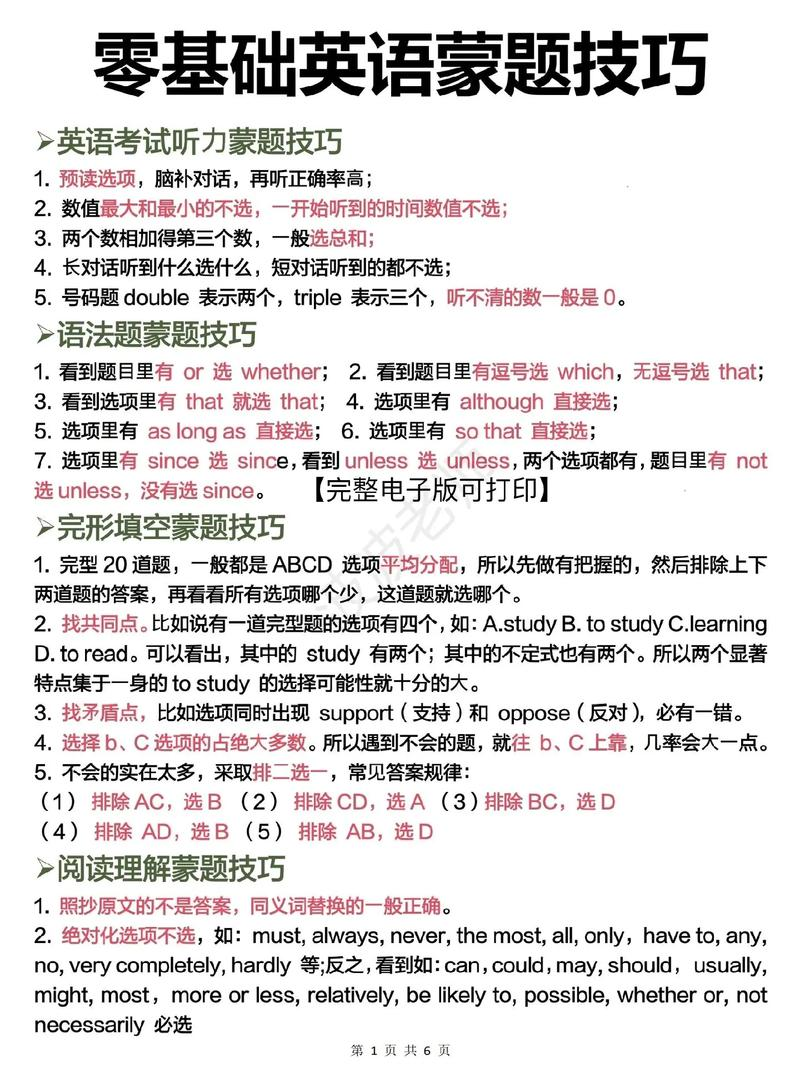
Excludes “absolute / extreme” (presumably wrong)
Close to the core message after the transphrase / causal word
Ii. Distinction-type masking techniques (compatible with a fine-reading logic and adapted to all the foundations)
(i) word empty: word type + logical mosaic
Word preference lock:
Pre-space is a coronary (a/ an/ the)
Pre-space is a verb. Prefer adjective
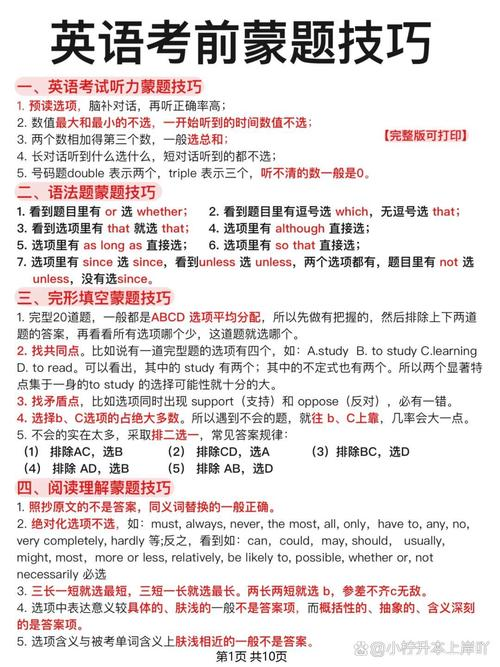
Preferred to the verb after the main word (due to consistency of time, e. G. Ed/ing)
Logical interface excluded:
Unprecedented but/however selects a word that is contrary to the earlier synonym (as in the previous text, selects the negative category)
Unprecedentedly, there are and/or moreovers to choose words that are consistent with the exonyms (symmetrical or synonyms)
Hf mix priority:
Encounter in/coNtribute to/cap with fixed combinations, with direct preference for corresponding word type
(ii) long reading: keywords + match meth
Keyword fast lock:
Thrusts containing numbers / proprietary terms priority to match paragraphs of the original text containing the same numbers / proprietary terms (synthesis)
The drying contains a special symbol (low-carbon/ai) and the original text is presumably either original or synonym (e. G. Low-carbon→environmental-friendly)
Interpretative principle:
Question "different/ question / author view"Ntrast paragraph
Question 'cause/results'
Unanimously excluded:
The option contains all/directly/never absolute words and so on
The semantic of the option is irrelevant to the dry keyword
(iii) read carefully: options feature + logical mosaic
Correct option characteristics:
Including euphemisms such as may/possible/probably
Replace words with synonyms (e. G. Reduce→diminish, i)Mportant→crucial, symmetrical replacement
Consistent with the synonyms of the transphrase (but/however view is a high frequency answer)
Error options exclude:
Absoluteization (must/only/always/never)
Semantic exaggeration (originally some, option all; originally most, option exclusively)
No middle ground (options not mentioned in original, even if common sense)
Logical reverse (original a leads b, option b leads a)
Detailed puzzle techniques:
Question 'cause'
Question "results"
Subject-matter puzzle techniques:
Priority is given to options covering full-text keywords (avoiding only the details of a paragraph)
Priority is given to options with transliterated views (the author's core view is often here)
Iii. Guides on hole avoidance (critical to improving correctness)
Without relying on a single technique: combine "word-like + logic + replacement" multiple judgments to avoid identifying the answer on its own
Keep 1-2 minutes of check-ups: focus on “absolute options” “symmetrical reverses”, timely correction
Respect for the logic of the original language: even if the option is common sense, if it conflicts with the semantics of the original language, it must be excluded
Combining accumulation of good reading: the puzzle technique is "auxiliary", combined with pre-reading training (words + transphrase + replacement), double the correct rate
Iv. Recommendations for operational applications
First, to make sure that the puzzle technique is used to save time by “unsettled / fixes”
Tag tight options: check back after other questions and avoid hasty selection
Day-to-day training integration: when doing the real thing, deliberately using the "machine technique + precision" comparison to reinforce the sensitivity of judgement
Core summary
The essence of the puzzle is that the choice is reduced by using the theme pattern, and the key is to identify the characteristics of the right option (the euphemism + replacement + logical consistency), and to exclude the trap of the wrong option (absolute + non-intuitive + logical reversal). A combination of pre-literate training, combining skills with basic skills, can effectively improve the correctness of questions, problems and the bottom line for reading