The age of 0-1 is the “gold” 365 days of life development, with the most rapid brain, movement, language and emotional growth at this stage, with neurons producing millions of connections per second and “sensitive windows” every month. Parents can contribute to the development of the baby by means of scientific methods to maximize the value of this time。
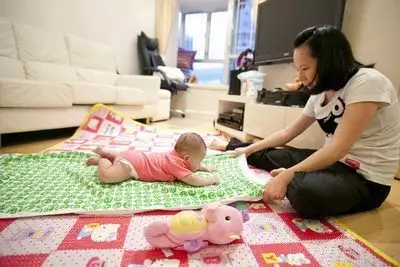
Multi-sensor stimulation is key to building the cognitive base. The weight of the baby's brain has increased dramatically from 350 grams at birth to 70 per cent near adults, at which point visual tracking, hearing recognition, etc. Have developed. More often than not, children speak and sing face-to-face and have a better face, which promotes both hearing development and emotional connection. It's also important to prepare toys of different materials for the baby, such as soft cloth books, silica gums, bells, towels, so small hands can “get busy” and stimulate brain development. Don't worry about the baby getting dirty, letting them grab food with their hands, play with water, feel the temperature, and these sensory experiences are “fuels” for early intellectual development. Sports development is essential for brain coordination. The ability of reptiles to exercise brain-side coordination, spatial perception and visual focus can lead to late focus and writing difficulties if they skip the crawling phase. The family clears a safe crawling area, removes dangerous items, directs the baby with toys to get enough of it, not just in the hands, or with the baby. If the baby doesn't stomp in seven months, use a towel to hold the abdominal auxiliary exercise. Six months later, the baby's ability to coordinate with hands-eyes-mouths, which help them grow, was given soft carrots and other foods. Regularity fosters a child's sense of security. Regular eating - play - sleep rhythm allows the baby to predict the next thing, reduce anxiety, increase concentration and emotional stability. The curtains are closed during the day, many activities are carried out, lights are lighted at night and stimulation is reduced; pre-sleep procedures are fixed, such as bathing and tacquering, and lights are turned off; naps are not forced to be long, but are arranged as long as possible within fixed time periods. Remember, rules are not rigid, and a flexible rhythm is sustainable nurturing wisdom. At the heart of this phase is “experiment” rather than “knowledge”, parents do not have to rush to teach their babies to read numbers, but focus on providing safe space for exploration, allowing the baby to roll and climb freely, and promoting brain synapse connections through rich sensory and action experiences. At the same time, it avoids ducking teaching, protects the child's desire for exploration and expression and lays a solid foundation for their subsequent development。