It is believed that much of the cabbage is growing garlic in their homes, and water and fertilization are critical links in the cultivation and growth of garlic, both of which can lead to good growth and higher production of garlic. But a lot of people would think that it's not as complicated as watering and fertilization. Indeed, watering and fertilization of garlic does say that if the method is not correct, it not only leads to the dry tip of the yellow leaf, but also seriously affects its normal growth. The following are some of the key points that need to be noted when fertilization garlic。
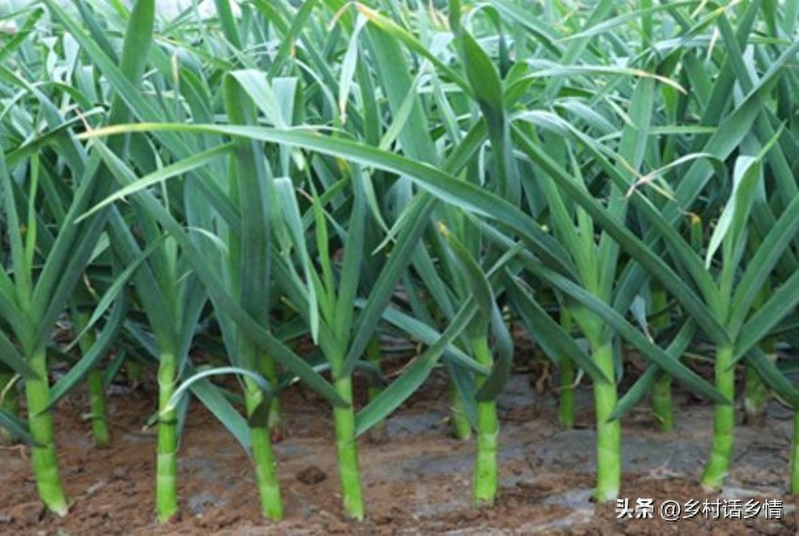
Water point 1. Precipice to winter
The demand for moisture is not very high in the period between seedlings and winters, when the temperatures are getting lower and small. Overwatering at this time can lead to soil being wet enough to be detrimental to the growth and growth of root systems, and can cause root disease and yellow leaf dry tipping. At this point, it is sufficient to keep the soil dry and wet, so long as the soil is not dry, not overwatered, the soil is dryer, the roots are thicker, and the seedlings grow better in the coming years. However, drought cannot be excessive, and if the soil is dry, water must be poured in time。
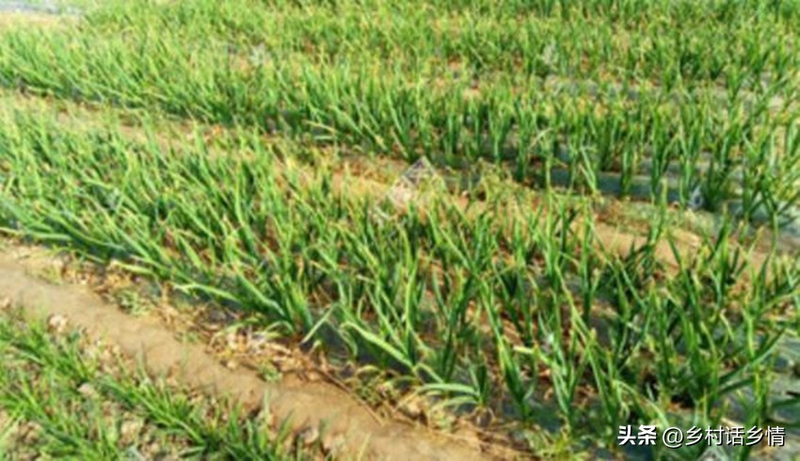
2. How to water the winter
The winter water is not watered in everything, and it is important to look at the soil before deciding to water the winter water. If the soil isn't dry, why water the winter? The purpose of watering winters is to avoid soil drought. If the soil is still wet, it cannot be watered for any time. In another case, it is important to remember that the soil cannot freeze at night after the water has been poured, that if the soil is frozen, the seedlings are extremely vulnerable to freezing。
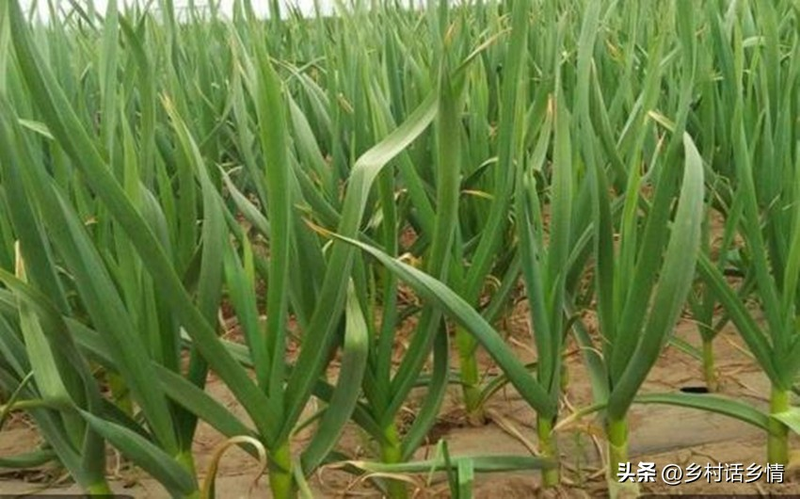
Three. Water when spring comes back
By spring, when garlic begins to return to green, the seedlings grow faster and the temperature begins to rise, so that there can be no shortage of water. Water is crucial at this stage, so that the soil is humid and drought is not allowed and the soil surface is dry and wet. If the soil lacks water, it can affect not only the growth of garlic seedlings, but also the extraction and growth of garlic, resulting in short and weak garlic, as well as in increased garlic. However, by about a week before the harvest, water will have to be stopped for harvesting and storage。
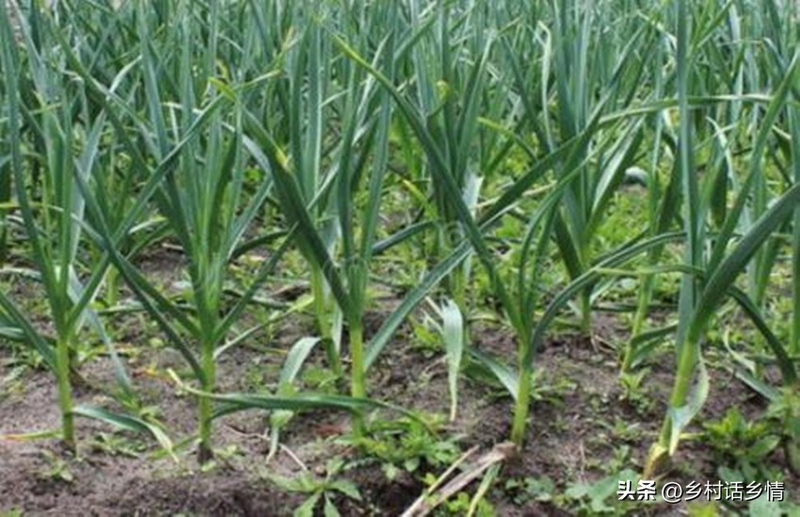
The fertilizer point
1. When garlic grows to more than four leaves, the roots are removed from the garlic mother and nutrients are absorbed from the soil by the roots. At this time, if nutrients are insufficient, yellow leaves and dry tippings will appear, and fertilizer will be timely, but at this point, garlic seedlings and leaf blades will be mainly grown and the pursuit will be followed by nitrogen fertilizer. For example, urea, manure, bean pie, etc. Can ensure that garlic seedlings grow strong and flourish. It needs to be noted, however, that fertilization is best done with small water, as any nutrient is driven by water。
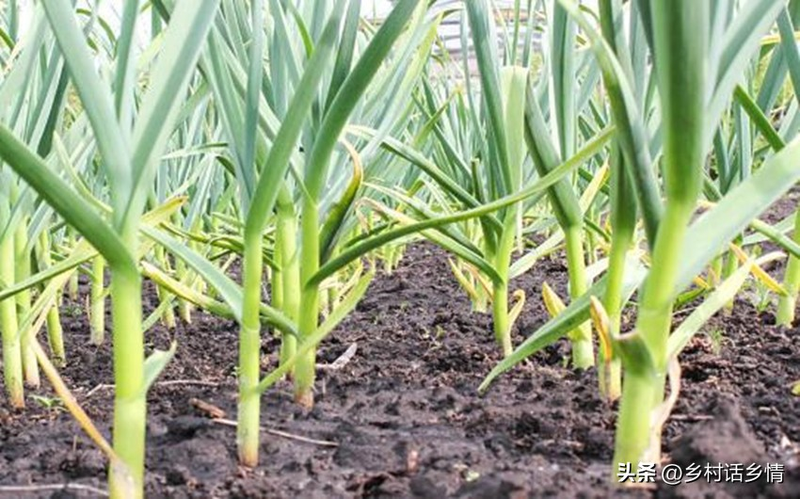
By the time garlic is pumped and garlic is swelled, it is not necessary to pursue nitrogen fat alone, when potassium nitrogen phosphorus is used in combination, for example, with organic fertilizer, which can be matched with an appropriate quantity of potassium sulphate, and when no organic fertilizer can be used to water potassium sulphate mixed with ammonium phosphate. The specific fertilizer used needs to be tailored to each individual's circumstances, but, regardless of the fertilizer, potassium nitrogen phosphorus cannot be lost。
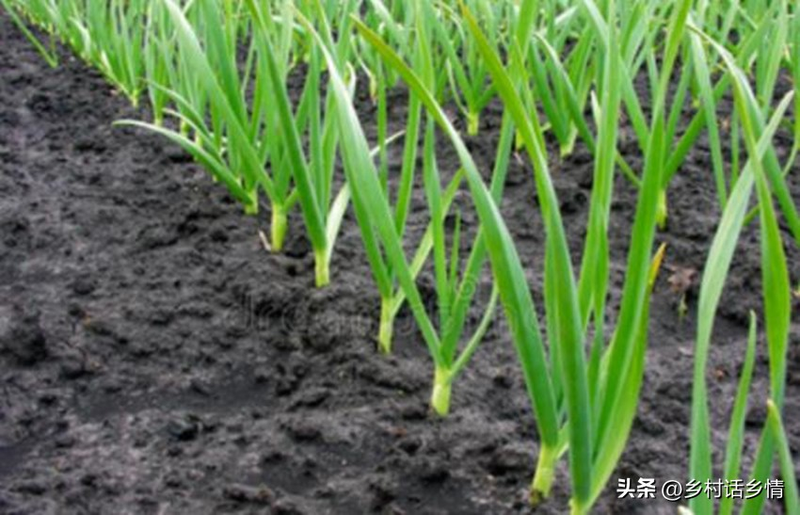
In short, the fertilization of garlic requires reasonable adjustments based on the growth phase of garlic, soil conditions, etc., in order to ensure its healthy growth and access to high-yield quality garlic。