Sugar oranges are also known as october oranges, but they are very sweet, and they also have the effect of pulmonary spleen and are popular in everyday life. Plantation also needs to be fertilized in the case of sugar oranges, so how do you fatten them at different stages of cultivation。
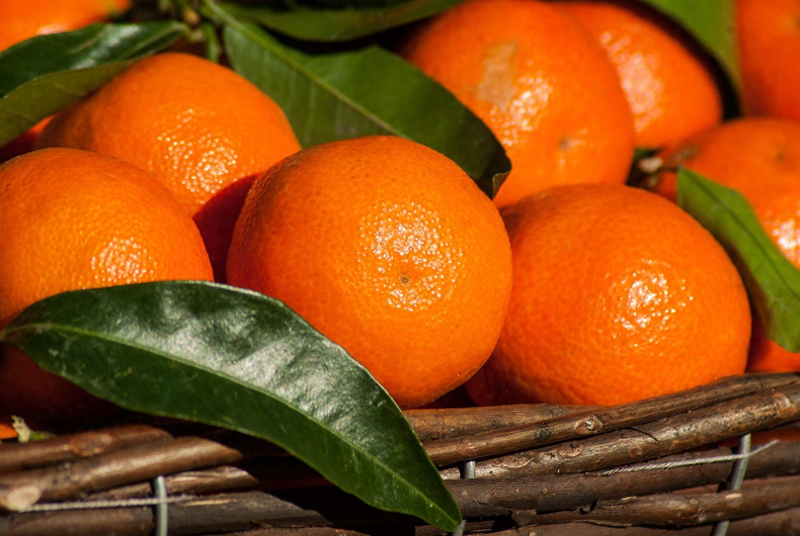
1. Spring fattening
It can also be referred to as spring fertilisation, which generally takes place between the end of january and the beginning of february, about 15 to 20 days before the spring gestation. This is mainly nitrogen fat and, depending on the growth of the sugary orange tree, rationally controls the use of nitrogen fat to avoid spring-spring. Finally, the soil is improved and adjusted, using the lime powder used and combined with the leaf fertilizer. Leaf fertilizers can use boron, magnesium sulfate, etc。
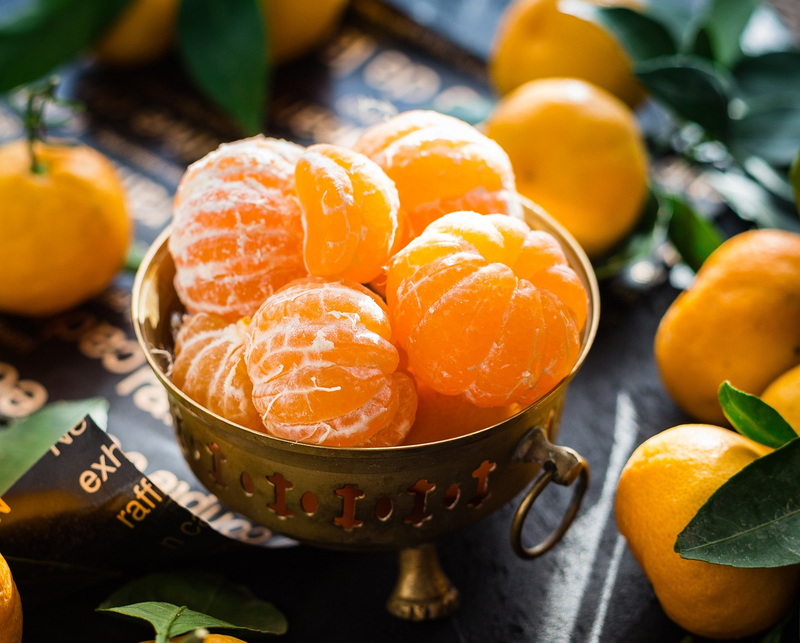
2. Flower-promoting fruit fertilizers
In fact, fertilizers are applied once in the spring, usually at the end of march to the beginning of april each year. The use of a suitable amount of compound fertilizer can promote flowering and gravitation, and can effectively increase the berries rate of sugar oranges. In general, the use of compound fertilizer is about three pounds per plant, which is carried out by external application。
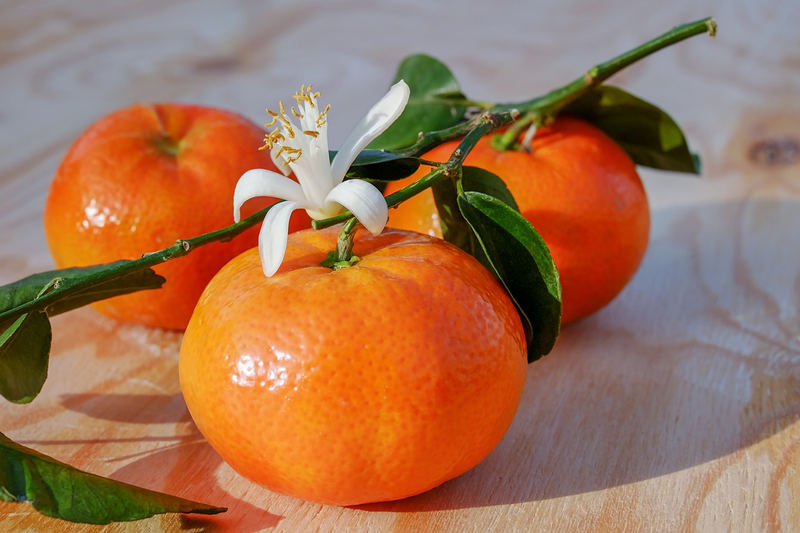
3. Autumn fattening
In the fall, fattening is mainly intended to nurture the outcome branches, which are key to increasing the production of sugar oranges. This period is dominated by nitrogen fertilizer, which is released in conjunction with organic manure in the first half of the month before the release, thus ensuring alignment. The second is that some chicken dung can also be used appropriately, in the form of deep ditches, and at least one and a half months or more in advance, so as to be effective in the growth of the autumn。

4. Conservation of fertilizers in later stages
Post-conservative fertilizer is generally carried out around november of each year, mainly to restore the strength of the sugary orange tree and to increase the ability to withstand the cold to thaw and to increase the production of sugar oranges in the coming year. In general, it needs to be carried out in two stages, mainly in combination with soil, organic or compound fertilizer and with potassium phosphate. At the same time, we also need rational transmission of nutrients according to different periods of time, such as the old tree of the sweet orange tree, the larvae tree, and the scavenging tree, so as to facilitate the absorption and utilization of nutrients by the roots of the fruit tree and to improve the yield and quality of the fruit tree in the coming year。
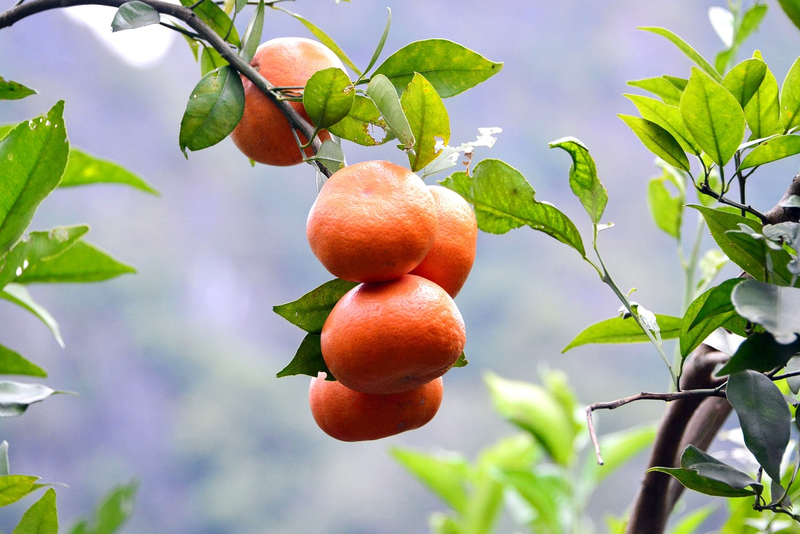
The above is the method of fertilizing sugar oranges from the southern complex innovative service platform, but it is important to note that the concentration of fertilizers is not too high and that roots are burned. In the current period of time, many research units are required to visit the country's southern bioculture area, which is rich in agricultural and high-quality land resources, providing a good basis for this research. And our southern complex innovation service provides a range of services for the major research units that come to the country’s southern multi-bioculture area to produce, live, research, land for use, whether in the production of plows, in the living, or in the application of the southern complex. The southern complex innovative services platform, a comprehensive service platform that combines production, life, scientific research and land applications, facilitates and supports the south's scientific staff and related enterprises and contributes to the development of the south's scientific breeding industry。
(text references are web-based, hacking)