Summer life plays katy
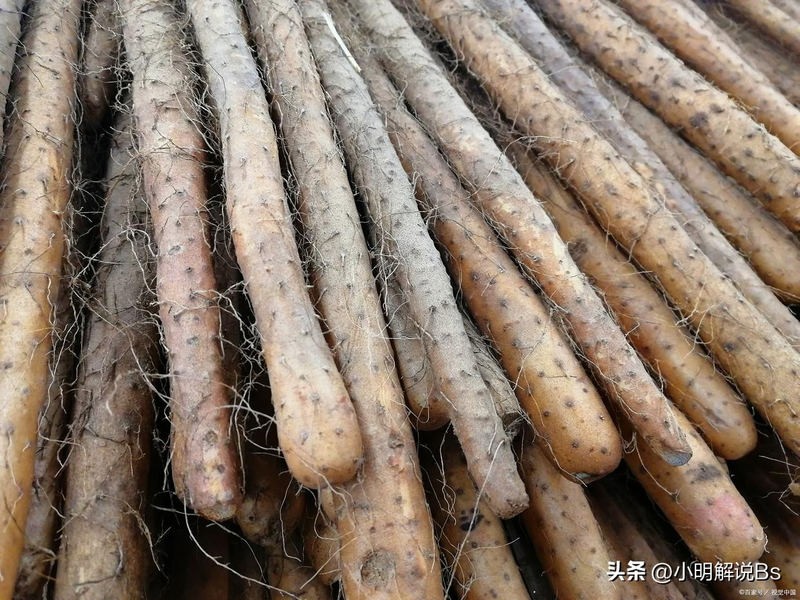
Mountain medicine is a nutritious and market-intensive crop, and growers often pursue high-yielding and high-quality harvests. This paper will provide you with detailed information on the fertilizer, medicine and soil elements needed to grow the high-yielding and long mountain medicine to help you reap the fruits of the harvest。
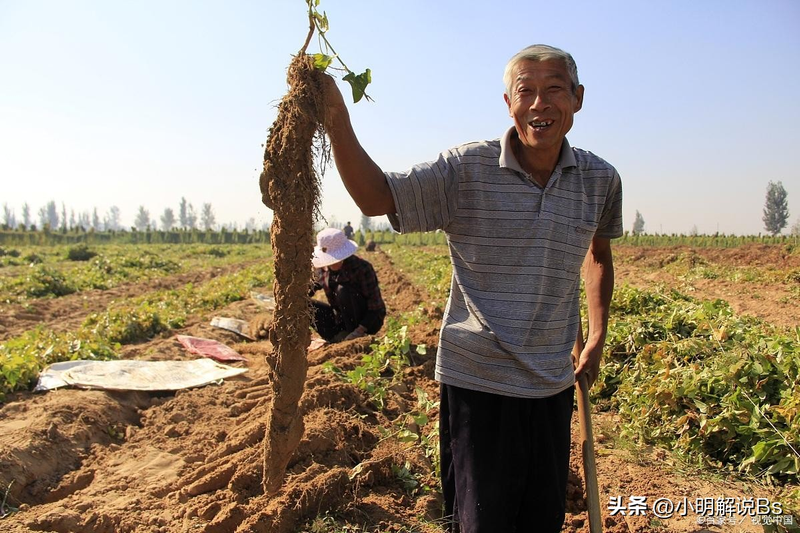
I. Selection of suitable soils:
1. Soil type: mountain medicine prefers to grow in lax and well drained soils. The most desirable types of soil are sandy soils or sandy soils, which have good permeability, poor water retention and are conducive to the root growth and breathing of mountain medicine。
Ph regulation: soil ph has important effects on mountain medicine growth. Mountain medicine is suitable for growth in neutral soil with ph 6. 0-7. 0. Soils that are acidic or alkaline can affect the absorption capacity of mountain medicines and therefore require appropriate regulation。
3. Organic content: mountain medicine favours organically rich soils. Prior to planting, fully decomposed organic fertilizers, such as farm fat, decomposed animal manure, etc., can be applied to improve soil organic content and maintain soil fertility。
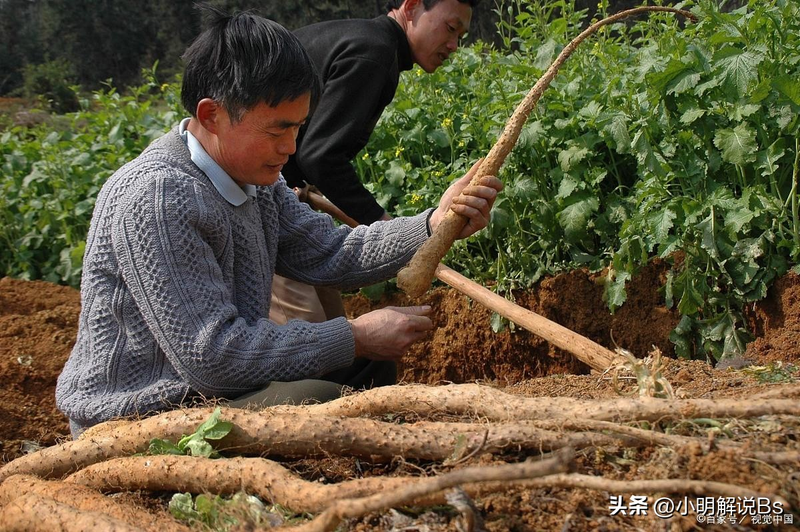
Scientific fertilization:
1. Basic fertilization: before mountain medicine is grown, basic fertilization is essential. Organic fertilizers can be applied in front of the ground and fully mixed in the soil to provide a rich nutrient supply。
2. Fertilizer-tracking strategy: mountain medicine is a crop with high nutritional needs and therefore requires timely pursuit of fertilizers. The following are the key stages in the pursuit of fertilizers and the nutrient needs:
- premature: the application of composite fertilizers rich in phosphorus, potassium and trace elements contributes to root growth and nutrient absorption。
- potato period: emphasis is placed on the supplementation of potassium fertilizer, which can be followed by composite or single potassium fertilizer enriched with potassium elements。
- long-term: regular pursuit of full-scale fertilizers to sustain healthy growth of plants。
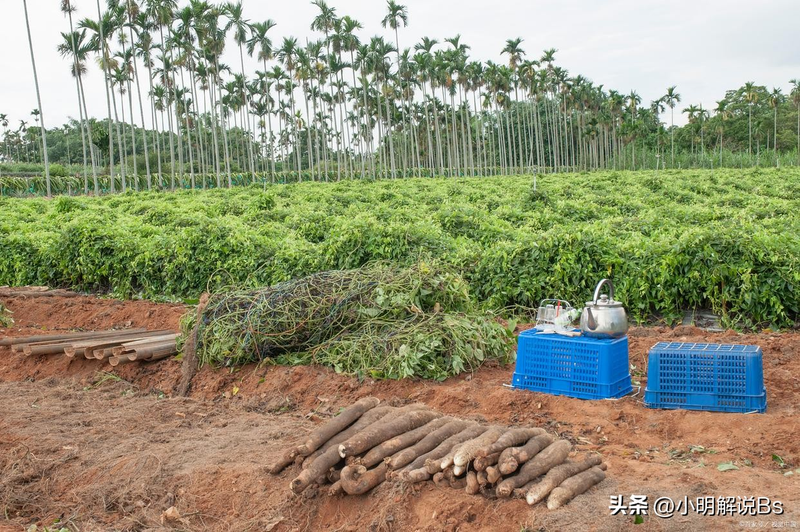
3. Covered fertilizers: during the growth of mountain medicines, covered fertilizers can be used to cover the soil surface around the plant with organic or inorganic fertilizers, helping to maintain soil moisture, provide nutrients and inhibit weed growth. The usual cover materials include straw, straw, wood crumbs, etc。
Iii. Rational control of pests and diseases:
1. Pest and pest control: mountain medicines are vulnerable to a number of common pests, such as brown spots, root worms, etc. In order to effectively combat pests and diseases, the following measures can be taken:
Cultivation of healthy seedlings: selection of good varieties resistant to disease or pest-free seedlings to reduce the incidence of pests and diseases
Pest and pest monitoring: periodic visits to mountain pharmacological fields to detect and identify early symptoms of pests and diseases in a timely manner for targeted interventions。
Biological control: the introduction of natural enemies, pests or microbiological agents for biological control can reduce reliance on chemical pesticides and pollution of the environment。
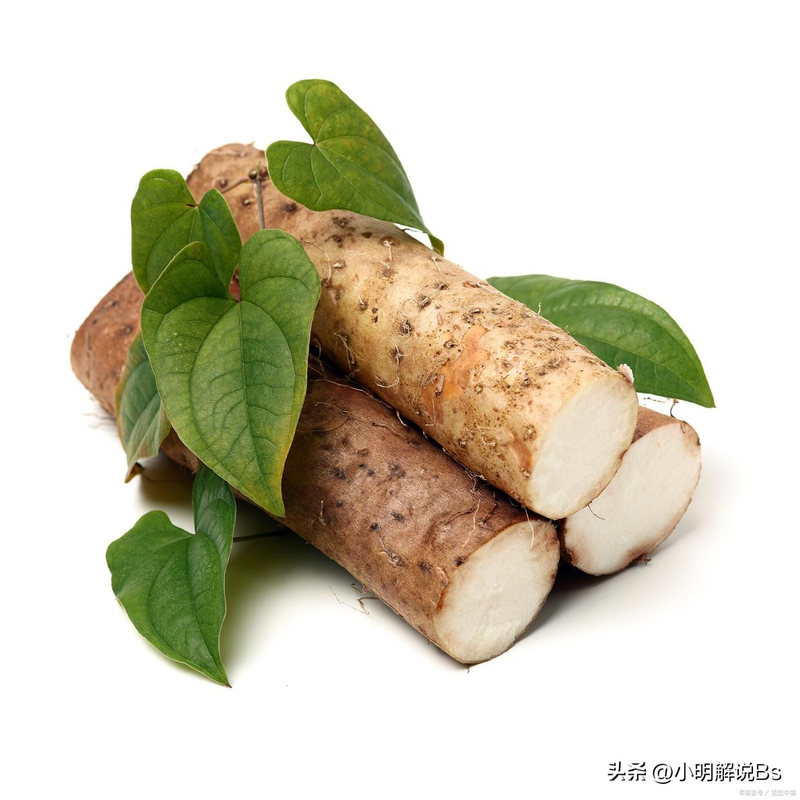
2. Rational use of pesticides: if necessary, use of pesticides to combat them, select pesticides that meet the criteria and use them correctly according to the instructions of use, taking care of safety and environmental protection。
Sound management and cultivation techniques:
1. Built: mountain medicine is a chicken crop that can be built or used as a support structure, such as bamboo fences, to support its growth and reduce the exposure of the chips to the ground, in order to keep it in order。
2. Periodic shearing: regular trimping of the leaves of the mountain medicine can boost the growth of its branches and sides and increase the production of chips. At the same time, the damaged parts of the disease and pests are removed in time to prevent their spread。
3. Irrigation management: mountain medicine is in high demand for moisture, ensuring moderate irrigation and avoiding the adverse effects of soil overdry or wetting on mountain medicine growth。
4. Weed management: timely removal of weeds around the meadows in order to reduce competition for nutrients and moisture and to keep the meadows clean。
The cultivation of high-yield, high-quality mountain medicines requires a combination of soil selection, scientific fertilization, pest control and sound management. Select the appropriate soil type, regulate soil ph and provide sufficient organic matter. Scientific fertilisation includes basic fertilisation and fertilization, which is based on nutrient demand at different stages of growth. Rational control of pests and pests and the use of pest monitoring and biological control methods to reduce the use of chemical pesticides. At the same time, the development environment for mountain medicines is managed rationally, including support construction, regular trimping, irrigation management and weed management。
Finally, attention should be paid to adaptation and decision-making to the realities and local climatic conditions. Cultivating mountain medicine requires patience and experience to develop and improve cultivation techniques in order to obtain high-yield and high-quality mountain medicine harvests. # samurai farmer #