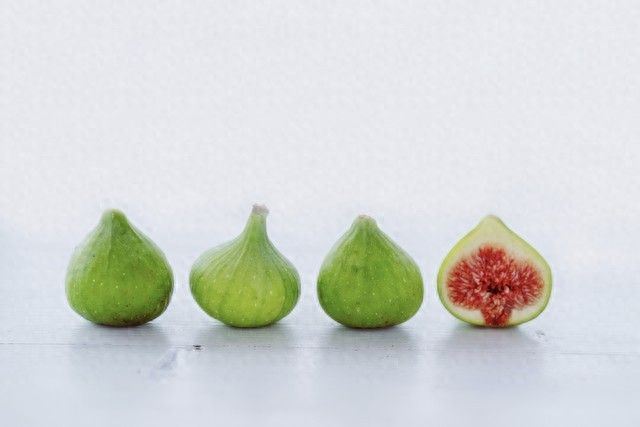
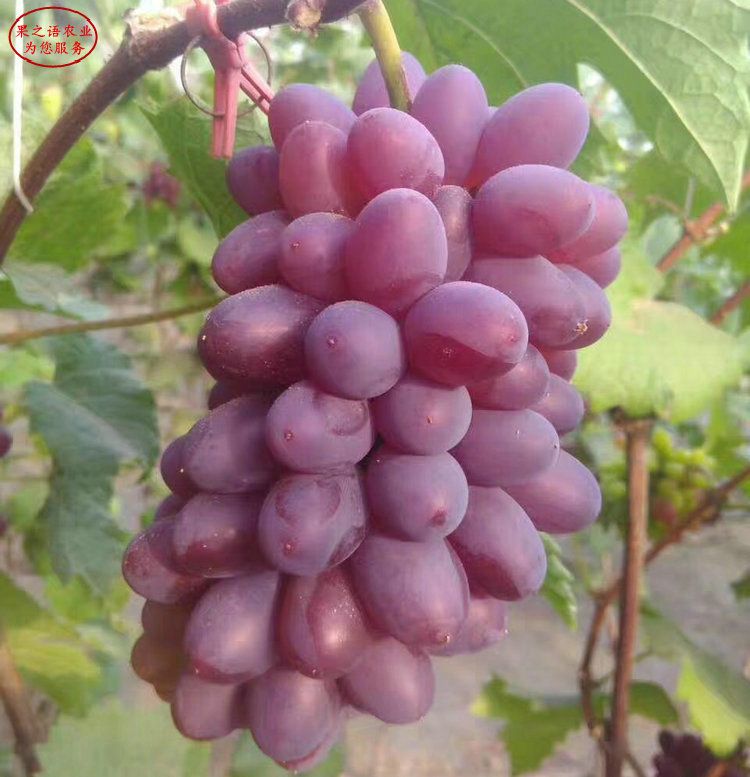
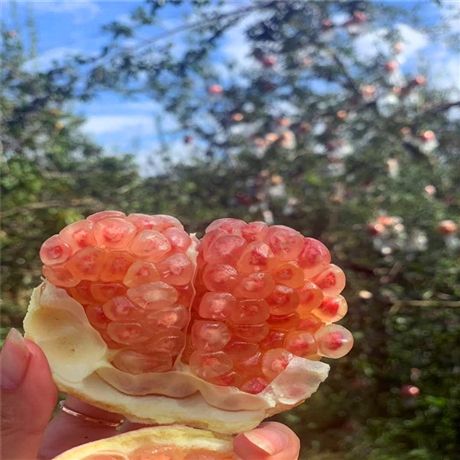
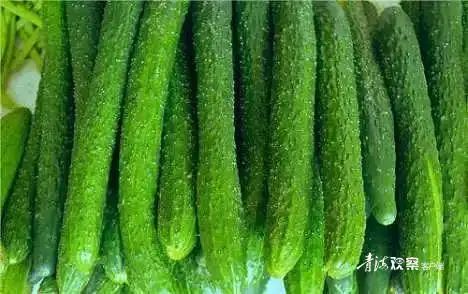
Knowledge of the growth habits, disease resistance and adaptation of tree varieties, selection of trees appropriate to local climatic and soil conditions。
Nature of tree species
01
02
03
Knowledge of plant conservation
Chapter ii
Water and fertilizer techniques
Select the appropriate watering time, depending on plant type and season, to avoid the impact of water availability or scarcity on plant growth。
Getting the right water
The choice of organic or chemical fertilizers, as well as elemental fertilizers, is tailored to the needs of different plants and promotes specific growth needs of plants。
Use appropriate fertilizer types
Rationally arrange the frequency and application of fertilization to ensure healthy plant growth, depending on plant growth and soil fertility。
Frequency and quantity of reasonably fertilization
Pest management methods
Physical methods, such as yellow viscos or anti-worm nets, can be effective in reducing pest abuse of plants。
Physical control
01
The introduction of natural enemies, such as ladybugs, spiders, etc., uses inter-biological restraints to control the number of pests。
Biological control
02
The rational use of pesticides, such as pesticides and microbicides, can quickly control the spread of pests and pests, but need to be safe to use。
Chemical control
03
Agricultural measures such as crop rotations and deep soils are used to destroy the environment and reduce the incidence of pests and pests。
Agriculture
04
Shearing and plastics
Cuts are designed to remove dead and sick branches and to promote healthy plant growth, usually before spring and after fall leaves。
01
The choice of sharp scissors and saws, which need to be disinfected before they are used in order to avoid bacterial transmission, and the correct cutting angle and location are essential for plant recovery。
02
Plant shapes, such as spherical, cone, etc., are shaped by shearing to make them more responsive to the requirements of landscape design。
03
Properly applied fertilizing and watering should be used to facilitate the healing of plant wounds and the growth of new growth and to prevent infestation。
04
The purpose and timing of the trim
Selection and use of trim tools
The method to trim it
Post-cut care measures
Plant growth cycle management
Chapter iii
Seeding and nursery stage
Select the right torrent
The selection of high-quality, disease-free seeds is a first step towards ensuring healthy plant growth, such as the selection of disease-resistant tomatoes。
Temperature and humidity management during childbearing
Maintaining appropriate temperatures and humidity is essential for the growth of seedlings, such as peppers, where soil is wet and the temperature is moderate。
Seed treatment before planting
Appropriate planting time
Seed treatment includes steps such as impregnation and disinfection, such as the use of cucumber seeds to impregnate with warm water for germinate。
The timing of seeding is chosen according to plant types and local climates, such as peas during spring warm times。
Long-term management points
Reasonably irrigated to keep the soil wet while avoiding water accumulation, in order to promote healthy growth of plant roots。
Water management
The application of appropriate fertilizers to supplement nutrients in accordance with the stage of plant growth promotes rapid plant growth。
Fertilizer application
Periodic inspection of plants to detect and address pests and diseases in a timely manner to ensure healthy plant growth。
Pest control
Age and harvest
The degree of maturity is judged by the observation of characteristics such as the colour, hardness and size of plants to ensure optimal timing of harvest。
Determination of maturity criteria
Prepare appropriate tools and containers to ensure a smooth harvesting process and reduce damage to plants and fruits。
Pre-harvest preparations
Use the right harvesting techniques, such as cutting angles and strength, to ensure plant integrity and reduce disease transmission。
Harvest techniques and methods
Timely classification, cleaning and packaging to extend the shelf life of plant products to maintain their freshness and quality。
Post-harvest treatment
Special plant conservation
Chapter iv
Indoor plant conservation
(c) rationally adjust the light of indoor plants to different light conditions, using artificial lighting or the selection of vulva resistant plants。
Light management
01
02
03
04
Maintain appropriate indoor temperatures and humidity to avoid damage to plants by extreme weather, such as the use of humidifiers or air conditioners。
Temperature and humidity control
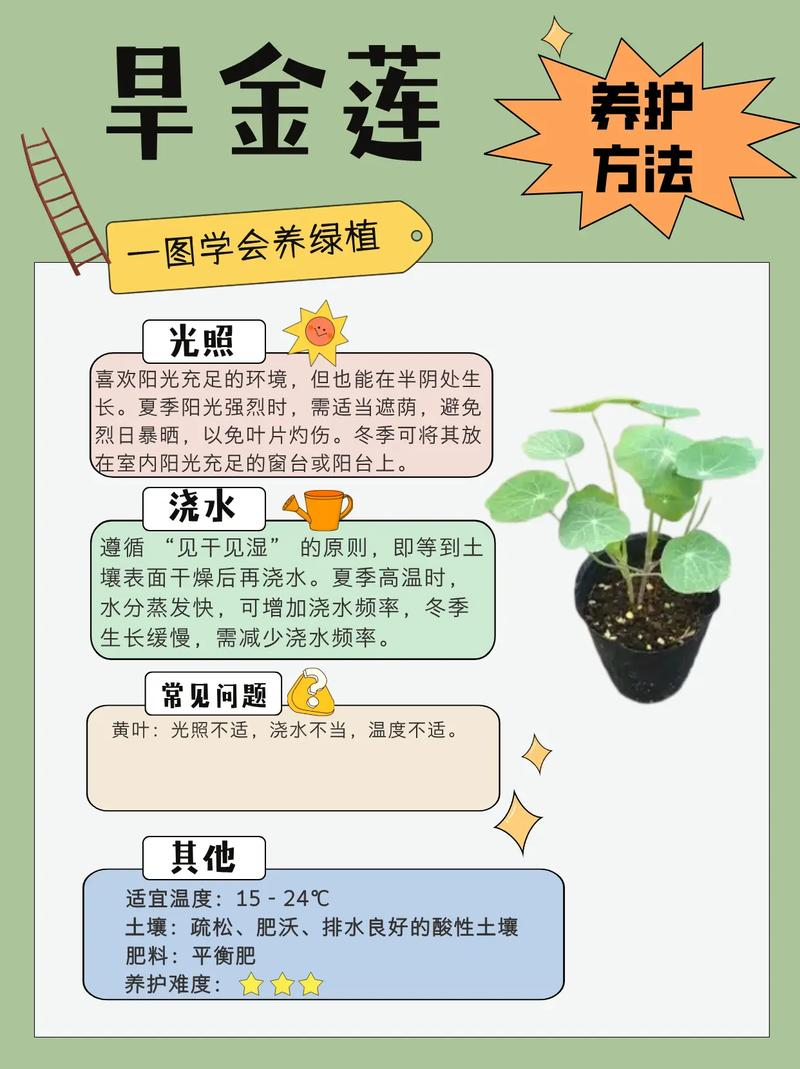
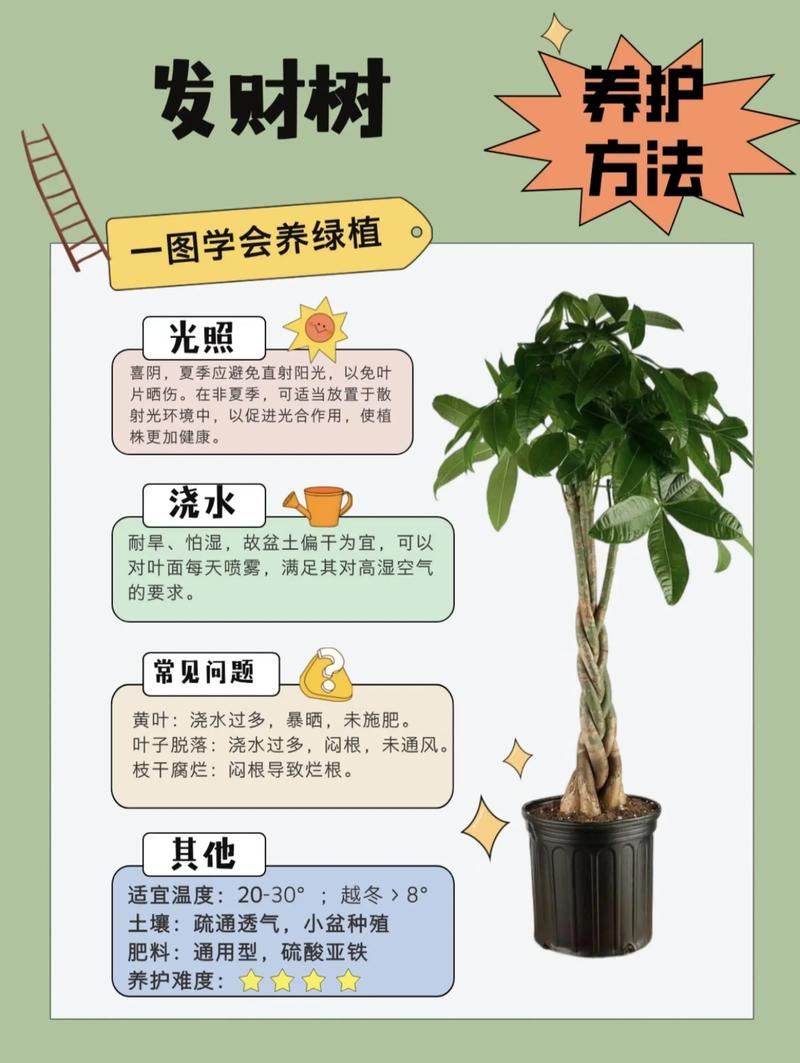
Adjust the frequency and quantity of water recharge to plant types and seasonal variations to prevent overwetting or drying and to ensure healthy roots。
Watering technique
Indoor plants are periodically fertilized and replenished, while dry leaves and twigs are duly trimmed to promote plant growth。
Fertilizing and trimping
Conservation of meat and plant
Appropriate soil selection
Polyfauna requires well-drained soil, usually using sandy soil or special polyfauna soil to prevent root decay。
01
02
The right way to water
Pyrotechnics are drought-resistant and water should be watered in appropriate quantities, usually after the soil is fully dried up, avoiding root-borne diseases caused by water accumulation。
03
Sufficient but moderate light
Pyrotechnics require sufficient sunlight for light co-operation, but heat during the summer should avoid direct sun-to-heavy exposure to the leaves。
Fruit tree cultivation and management
05
Harvest and storage
The fruits are harvested in due time and correct storage methods, such as temperature control and tidal protection, are adopted to extend the period of preservation of the fruits。
04
Irrigation and fertilization
Proper irrigation and fertilization based on changes in the growth phase and season of fruit trees ensure that they receive sufficient moisture and nutrients。
03
Pest control
Regular inspection of fruit trees to detect and address pest problems in a timely manner, such as the use of biological control or chemical pesticides to control pests。
02
Shear & shape
Regular shearing of fruit trees, removal of weak branches, cross-cutting branches, maintenance of tree shape, promotion of ventilation and improvement of fruit quality。
01
Selection of suitable varieties
Selection of fruit tree varieties, such as apples, pears, peaches, etc., adapted to local climatic and soil conditions to ensure high yield and quality。
Plant conservation tools and equipment
Chapter v
Introduction to common horticultural tools
Horticultural scissors, which are used to trim plant branches and to maintain plant form, such as twigs and leaves, are indispensable tools in horticulture。
Garden scissors
01
The canteen, which is used to water and fertilize plants, is designed to simulate natural rainfall and help plants better absorb moisture and nutrients。
The pot
02
Horticulture shovels, which are used for pine soil, transplantation and planting, can easily cut the soil with sharp shovels and are important tools for soil management。
Garden shovel
03
The horticultural gloves protect the hands of horticultural workers from injury and prevent stab wounds and cuts, while also helping to keep the hands clean。
Gloves
04
Automated maintenance equipment
01
Monitoring soil moisture using sensors, self-regulating water volumes, ensuring adequate moisture for plants and improving irrigation efficiency。
02
Regularly release nutrients by setting procedures to ensure the nutrients required for plant growth, avoiding excess or deficiency。
03
The temperature and humidity of the plant growing environment are monitored and the equipment in the greenhouse is automatically regulated to provide optimal conditions for plant growth。
Smart irrigation systems
Time fertilizer
Automatic temperature control
Smart monitoring system application
Through high-resolution cameras and image recognition techniques, smart surveillance systems can detect signs of pests and diseases in a timely manner and send early warning messages to users。
Using photo-sensitive sensors and led lamps, intelligent surveillance systems can automatically adjust light intensity, simulate natural light cycles and promote healthy plant growth。
Smart sensors monitor soil moisture in real time and use mobile phones to alert users to proper irrigation to ensure the moisture required for plant growth。
Soil moisture monitoring
Auto-regulating light system
Early warning of pests and diseases
Analysis of plant conservation cases
Chapter vi