Design of the multifauna plantation program
Course name: garden flower production
Target audience: 5 years of higher education
I. Analysis of teaching characteristics
Teaching background
Teaching objectives
Learning objectives
Learning missions
The focus and difficulty of teaching the characteristics of students
Ii. Script design
Course background:
The production of garden flowers is an important subject in the field of gardening technology. It is a follow-up course to the following courses: gardening flower production, plant production environment, gardening plantation, which requires students to acquire the cultivation and reproduction techniques commonly used in gardening plants。
Educational background:
The cultivation of flowers is an important foundation for professional training in the production of garden flowers, with the use of multi-fatal plants as an example of the process, with the advantages of materials for easy access, handling, distribution and operation. However, because of the large number of students and the small number of operators, students are not easily able to see the limitations of the course, which determines the importance and necessity of filming the subject. This is a necessary complement to hands-on training and facilitates the efficient and orderly conduct of the classroom。
The process of planting the meat plant for students
2. Elements of conservation after students have access to multi-fatal plant species
To familiarize students with the preparation and selection of materials for multi-fatal plants
Capacity (skills) objectives
Acquiring operational skills on how to grow multi-fatal plants
Knowledge objectives
Mastery of operational steps for multi-fatal plant cultivation
Knowledge of the preparation content of multi-fatal plants and the reasons for selection of planting materials

Watching a video of a meat plant growing on a cell phone platform
Knowledge of materials required for multi-fatal plant cultivation and reasons for selection
Mastery of operational steps for multi-fatal plant cultivation and post-plant conservation points
The students are five-year high-level students with a strong desire to know and are particularly interested in the content of their work
Be honest, do high school, do it in school; task-driven
1. Selection of cultivated land; 2. Process of cultivation; 3. Post-plant conservation
Annex text
Annex text
Annotations
Section no
This class is based on three sides: cultivation preparation, planting process, plant conservation
One side of the talk. Picture two
I've just arrived in a small piece of meat that looks like this
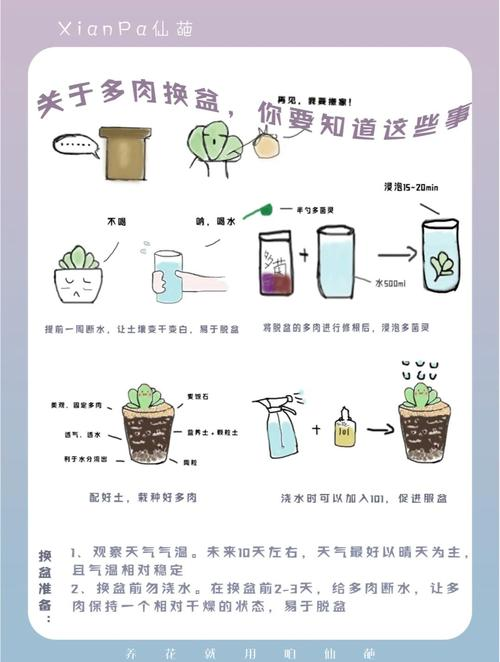
I can't watch anymore. Take it easy, it's time to replant the flesh that we love, and we're here to learn how to grow it。
Plantation is set to 234 (introduction) first
Shizuku
Detailed information was provided。
1 - multi-meal earth
We need two kinds of soil to grow more meat, one called nutrient soil, the other called the pavement, with a little video. In order for the flesh to grow well, it is necessary to have strong roots 2 and ready to grow more meat in order to grow. Selecting soil for flesh is like choosing soil for children
Like food, there is time and energy to diy to provide a better medium of growth for more meat while enjoying the three, green boiling stones, wheat. If stones, jade soil, rivers can't do it, it's a good option to buy ready-made soil, save time, sand, volcanic rocks, deer power, and fail to match. In the process of growing the flesh, the marshes, the gold plaques need a piece of soil called the paved ground, with a lot of variety and colour
For example, green boiling stones, ricestones, jade soil, river sands, volcanic rocks, moose marshes, 4 and dry and wet surface maps of gold
Distance is light and heavy, such as green boiling stones, barley stones, jade soil and river sand, which are used more frequently and for reasons that are straightforward. If they are not heavy, the water will be washed up and the surface will lose its meaning, but there are also its disadvantages, which make it easier to cut small, soft flesh; light ground, such as deer marshes, gold-planting stones, etc., is suitable for tender meat。
In addition to beauty, there are many other functions that absorb excess water, effectively prevent black decay, and allow for observation of soil moisture (different colours during dry wetness) and generally dry up