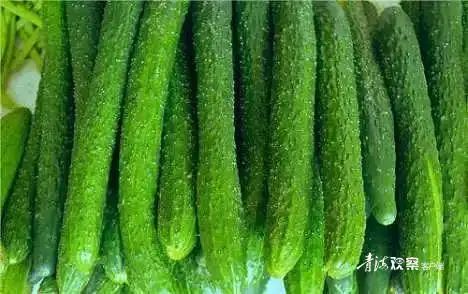
Sechiumedule, also known as the hayabusa, annangua, cucumber, etc., is a plant of cucumber cocoves, whose shape is ten years old and which is blessed by buddhism. From mexico, central america and the west indies, from japan in the early nineteenth century, it was first promoted in zhejiang, guangdong, fujian, yunnan and guizhou. In recent years, as market demand has increased, the area under buddha's cultivation has gradually expanded. It is rich in vitamins, minerals and dietary fibres, and has high nutritional value, with a refreshing taste and unique taste that consumers love。
However, it was found that in many places the management of the cultivation of buddha's handmeasure has been fairly broad, and that the growing and harvesting of herbs, which are generally grown and followed by rain, is irregular and unscientific in the selection of soil plots, seeding, stubling, shearing, fatty management, etc., which has affected production and quality improvement during planting. At the same time, the lack of awareness of the buddha's handmeasure character is an important reason for the decline in production and quality of agricultural production, for which the author has mainly said that he has the right to grow。
One, understand the growth cycle of buddha's handmelon
It will take about four months for the buddha to grow and mature. As a scavenger, it can grow for many years at a single time at a temperature of 0-30°c throughout the year; at a temperature below 0°c in winter, it can be frozen, difficult to get through winter, and therefore suitable for only one year. The life of the buddha's handmelon is not short, and if the conditions for planting are reasonable, it can last for about 30 years, and in practice it is three to four years。
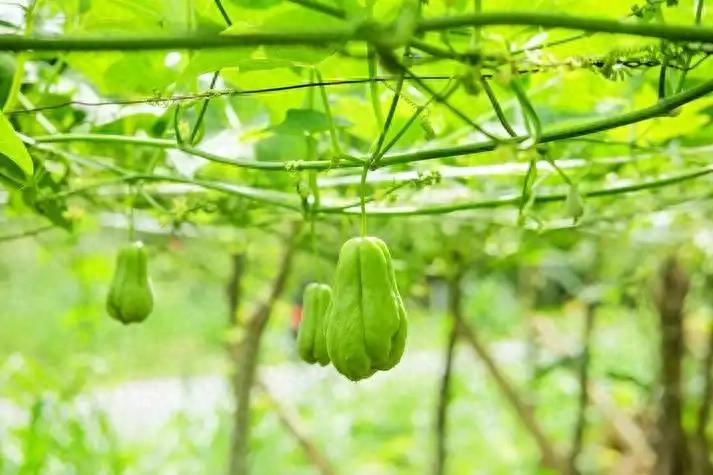
According to the experience of many years of cultivation in the village of tsumi and the village of li ho's village, which is inhabited by officials of the south bank of the county, the country has two varieties of white and green leather, which are growing more strongly, with a thicker guacamole, rich and capable of producing roots, with a single melon mass of 300 to 350 g, a single melon of 500 to 800, yielding more than 5,000 kg per acre, which is higher than the white melon, but which is slightly lower in quality than white melon, and is the country's main growing species. The white platinum melon species are less growing, the chickens are smaller and shorter, the branches are weak, the melons are small and the production is low. The advantage is that the fruit is light green, light green, light white or creamy, skin skins are luminous, tumours are low, and meat tissues are dense and of better quality. The current market in europe and the united states is dominated by white-covered handmelon。
2. Understanding the breeding habits of buddha's handmelon, adapted to local conditions
The most common breeding methods with high rates of survival are fruit and branch breeding. The first type of melon breeds, which requires the selection of a large, disease-free, high-quality melon, which is contained within a month, so as not to be too old or too young and to affect the growth of growth. In late november and early december, seedlings were planted in plastic bags, placed at 15-25°c sites. When the seedlings grew more roots, they were removed from plastic bags, planted in large flower basins, exposed to frosts, protected by temperature protection, plastic arch sheds, during the daytime and at night, with appropriate pre-planting。
Second, branch reproduction, half-drive the head of the old man's pocket before and after the light, displaying a root, cutting the mass with a knife around 50 g and carrying two to three sprouts, and planting it in the ready-made caves so that the sprouts can appear around 1. 5 cm. It is also possible to excavate the whole old plant and to reproduce the roots as described above. The water is in good condition, with about 25 plants per acre, which are preceded by deep-drilling of large ponds, the application of farm fats and appropriate amounts of phosphorus, potassium fat, and their full mixing with the soil; if the soil is dry, water is required。
Three, learn how to water the buddha's handmelon
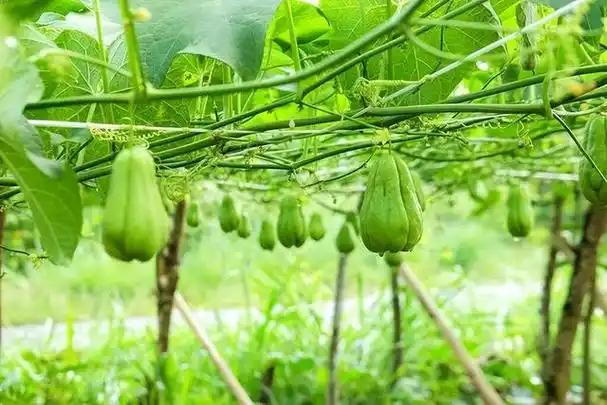
Before the flowering, the buddha's handmelon had been growing nutritionally, and since the roots were more capable of absorbing moisture, if the weather were not particularly dry, the water requirements would be met as long as the rain was suitable. In the case of prolonged hot droughts, manual water can be poured every three days, if conditions so permit. The effect of pollinating plants in the autumn began to grow at an accelerated rate, with increased water demand and the soil should be kept humid; however, the flaccid roots were not resistant to flooding, so care was taken not to flood and avoid water accumulation. In mid-july, the flower season of the buddha's hand was a season that required a certain amount of phosphomite fertilizing, and in mid-august fertilizing some of the decompetent animal farmers to promote the flowers; and in mid-august, when the fruit season was successful, to promote the growth and maturity of the buddha's handmeasure, it was to be treated with a proper amount of fertilizer。
4. Understanding the pest management of buddha's handmelon
The resistance of the buddha's handmeasure to disease and pests compared to the rest of the fruits does not mean that the fruit farmers are able to sleep in peace, and asymptomatic disease is the greatest natural enemy of the buddha's handmeasure, which can occur with high humidity, high temperature and intensive cultivation, with a high degree of contagion that can wipe out the whole buddha's hand with leaves. Symptoms of asymptomatic disease first appeared on the tender leaves and branches of plants, initially in water stains and rapidly spreading to brown or gray molds. As the disease deteriorates, the area of infection becomes softer, and a closer look at the leaves reveals the black spots of the insemination, which are the accumulation of bacterial spores. When the environment is more humid, the spores are scattered into the surrounding health tissue, causing new infections。
If the fruit is infected, its appearance becomes brown or grey, and there are thin wires and spores on the surface. In the event of asymptomatic diseases, weeds should be removed from the fields in a timely manner so as to avoid damage to the buddha's plant, to reduce the rate of infection and to periodically trim and remove the infected areas in order to avoid the spread of the disease. Decay and root disease, which are also common in the cultivation of buddha's melons, need to be prevented by paying attention to moderate and dense planting, ensuring good ventilation and light during planting, reducing moisture accumulation and increasing the drying time of leaves. In pests, care should be taken of pests such as aphids and red spiders. Biopesticides such as avimoxin, melate, nucleotide polygonal viruses can be treated in appropriate quantities. The pesticides are usually sprayed every other week, treated two to three times in a row and ceased to be used one week before the harvest. Under suitable conditions, buddha can be more resistant to disease and pests, and no manual intervention is required in the absence of a visible occurrence。
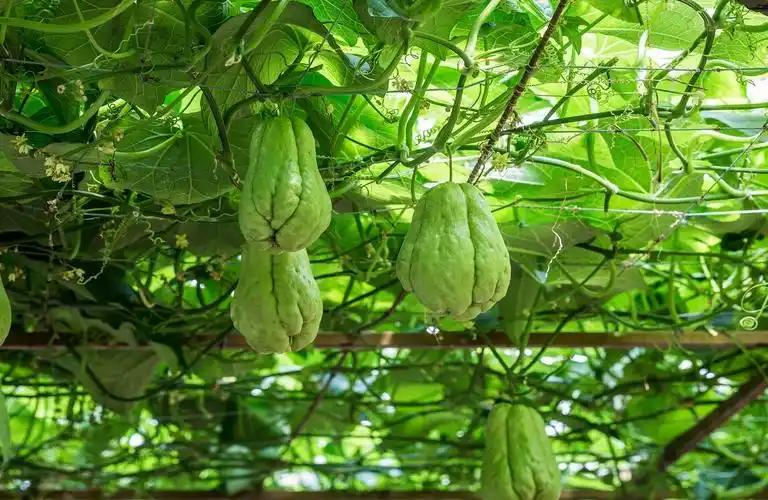
Finally, since buddha's handmeasure is pollinating, it is available in half a month, generally at 250 g early and hard-working quality, which helps to improve the quality of the fruit and the production of the whole crop. And do not cut the bark of the fruit when it is harvested, so as not to affect its storage and beauty. Both the melon and the melon must be harvested before the heavy frost comes. Buddha can be sold during the harvest season or placed in boxes and baskets with plastic sheeting, and can be stored for four to six months at room temperature of 10-25°c with appropriate humidity and ventilation. The sapling shall be chosen for long-formed guacamole, which may be harvested when the skin is yellow and smooth and stored in a dry place。