On 11 july, the provincial centre for agrotechnology forecasted the trends in the main pests and diseases of my crops for the second half of the year, taking into account historical data and in full consultation with experts。
I. Trends in major crop pests
(i) major pests
1. Grassland night moths: level 1, with a risk of concentration at local plots, the first time of sight is expected in july。
2. Three generations of mucus: level 1, local level 2 in the lu centre, runan and peninsula area, with high density of hazardous plots in the eastern part of the peninsula, with an area of approximately 4. 3 million acres expected to occur。
3. East asian locusts in the autumn: level 2, an area of approximately 1. 2 million acres is expected to occur, reaching the target area of approximately 380,000 acres. The locusts were released in late july to early august, at a peak of three years。
Corn rust: level 3, local level 4, with an area of approximately 14 million acres expected。
5. Beet night moths: level 3, local lunan and local lussien, level 4, are expected to cover approximately 10 million acres。
6. Tomato nagar moth: level 1, management of thick plots above level 3。
(ii) corn worms
Major pests include second- and third-generation corn troubles, corn earworms, corn aphids, corn red spiders, three-generation sticky worms, corn foliage diseases, corn rust disease, etc。
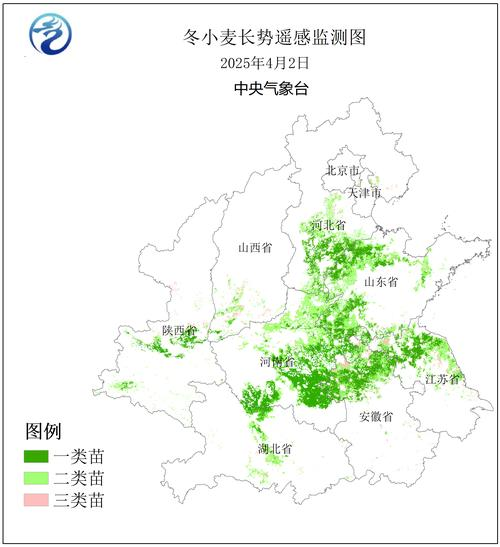
1. Second, third generation maize distress: level 2, local area of runan, local area of the peninsula and local level 3 of the country, with an area of about 18 million acres and 21 million acres respectively。
Corn acreage: level 2, rucin and lunan local level 3, with an area of approximately 12 million acres projected。
Corn worms: level 3, lunan local plot level 4, with an area of approximately 27 million acres projected. It is mainly corn, cotton bells, peaches and sorghums。
Corn red spiders: class 2, with an area of approximately 5. 8 million acres projected。
5. Diseases of maize foliage, including corn foliage, corn rote foliage, corn scabs and corn scabs. Of these, maize brown spots are: level 2, central and eastern lu and local areas of runan, with an area of approximately 7. 5 million acres projected; corn rote leaves: level 2, with an area of about 4 million acres projected; corn spots: level 2, with an area of about 6 million acres projected; maize spots: level 2, with an area of about 4. 6 million acres projected。
6. Other problems of maize: corn top rotor 1 and local 2 with a projected area of approximately 2. 1 million acres, and tumour powder, filament 1 with a projected area of 0. 9 million acres。
(iii) cotton worms
1. Cotton bellworms: three generations of cotton bellworms, level 2, with an area of approximately 900,000 acres, are expected to occur, and the second generation of insects are generally forecast to run from mid-july to early august; four generations of cotton bellworms, level 1, south-west and north-west of lu, with an area of approximately 700,000 acres projected。
2. Other cotton pests: cotton field smoke lice level 3, with an area of approximately 1. 2 million acres projected; cotton blind, cotton acetate level 2, with a local area of 3 in north-west lu, with an area of about 900,000 acres and 800,000 acres projected respectively; cotton mites level 1, with a local level 2, with an area of about 600,000 acres projected; cotton bellet disease level 2, with an area of about 300,000 acres projected; cotton yellow atrophy and atrophy level 1, with an area of 100,000 acres projected。
(iv) rice worms
Rice lice 2, runan 3, with an area of approximately 400,000 acres projected; rice rolling leaf 2, with an area of approximately 500,000 acres projected; dioxin 2, with an area of approximately 300,000 acres projected; rice grail 2, lunan 3, with an area of about 500,000 acres projected; and rice plum plum plum disease 2, with a area of approximately 300,000 acres projected。
(v) soybeans worms
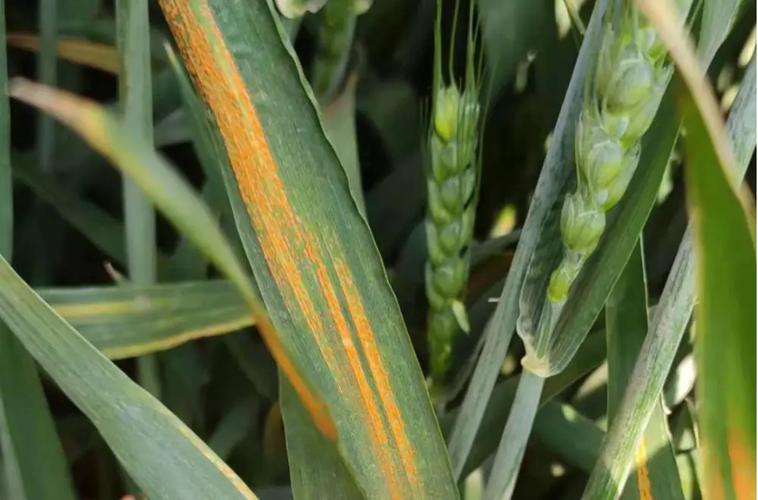
The area of soybeans is estimated to be approximately 1. 3 million acres, with soybeans level 2, and soybeans level 3, with soybeans level 1, and soybeans level 2, with soybeans area estimated at about 400,000 acres; soybeans heartworms, soy bean aphids, soybean worms, soybean worms, soybean frossis, soybean root morbidity level 1, with soybeans level 2, with an area of about 650,000 acres, 800,000 acres, 400,000 acres, 350,000 acres and 200,000 acres, respectively。
(vi) flower insects
The area is estimated to be about 5 million acres for peanut leaf disease level 3, and 4 for the peninsula area, and about 1. 3 million acres for root disease level 2 and 3 for endemic diseases, mainly tubular, platinum and root diseases, and 3. 5 million acres and 2. 4 million acres respectively for peanut cotton bells and ground pests level 2. The groundnut acetate 2 is expected to cover approximately 2. 2 million acres。
(vii) fruit tree worms
1. Diseases
The area is estimated to be approximately 1. 5 million acres; the area is projected to be approximately 1. 5 million acres for apple rodent 2 and eastern peninsula 4; the area is projected to be approximately 1. 4 million acres for apple decay 2 and north-west rue 3; the area is projected to be approximately 1. 5 million acres for apple leaf drop 2 and central and north-west rue 3; the area is projected to be approximately 400,000 acres for apple black point 2; the area is projected to be approximately 200,000 acres for pear and black star 2; the area is projected to be about 300,000 acres for gravity 2 and 3 for gravity 2 and approximately 150,000 acres for grape plassis 3 and the area is expected to be expected to occur。
2. Pests
The size of the apple acetate 2 is estimated to be 2. 1 million acres; the size of the apple mites 2 is projected to be 2. 1 million acres; the size of the gold moths and the size of the peach larvae 2 is projected to be 900,000 acres and 1. 1 million acres respectively; and the area of pear lice 2 is projected to be about 200,000 acres。
Ii. Basis of forecasts
(i) meteorological conditions
According to the provincial climate centre, average precipitation was 2 to 3 per cent higher in july-august than in the long term; average precipitation was 1 to 2 per cent lower in september; and average temperatures were slightly higher or higher in july-september. July-august is a critical period for the growth and development of my autumn crops and for crop pests. During this period, high temperatures and high precipitation are conducive to the formation of low-temperature, wet weather conditions in the fields, which are beneficial to the disease. After july, i was gradually under the pressure of the subtropical high-pressures, with heavy downfalls and rain weather, which could cause the cross-border migration of insects such as moths and grassland fertilizers. At the same time, in july, some parts of my province received heavy rainfall, resulting in flooding and flooding of agricultural land, which required attention to prevent bacterial diseases. In addition, the projected overall intensity of typhoons that landed in the country this year, with an impact range reaching the north-east, has led to an analysis of the higher risk of rust disease in the southern corn region of my province。
(ii) insect base figure
Grassland night moths: as at 3 july in south-west, south-china, gangnam, the centre-downstream of the yangtze river and the north-west, there are 16 provinces and 540 districts, a decrease of 74 districts in 2 provinces over the same period. The meadows move north of the eastern front to jiangsu yishing city, with a significantly slower rate of proliferation than last year。
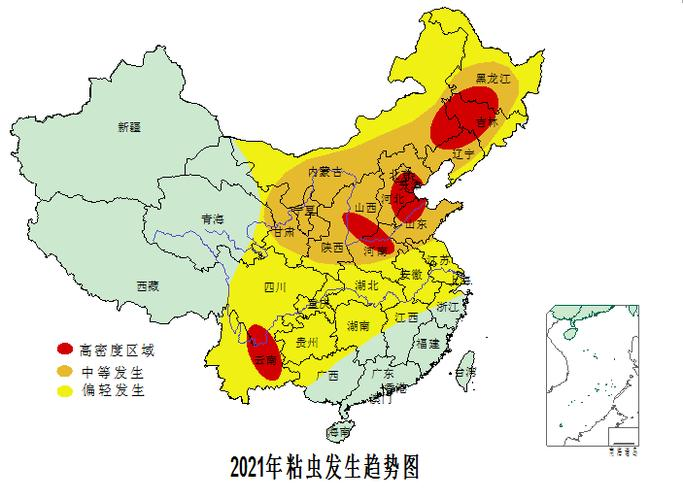
2. Sticky worms: the second generation of larvae is comparable to the same period last year, with an average of two permethods occurring in the field. Recent surveys have shown a weighted average of 0. 24 head/m2 for all categories, which is lower than the same levels for the years and last year。
3. East asian locusts: this year, i was able to save 1. 1 million acres of grassland locusts with an average density of 6. 6 acres, up from 75 acres last year. Of these, 6-10 head/acres covered 940,000 acres, 11-30 head/acres covered 100,000 acres and 31-100 head/acres covered 37,000 acres。
Corn distress: the source base for a generation of insects is similar to last year and is lower than the average for a calendar year. Accumulated moths from a generation of maize problems are lower than the average for the same period and calendar years last year, but the average number of effective eggs is higher than the same period last year。
5. Cotton bellworms: (1) the number of second-generation worms, which, according to the survey conducted at the beginning of july at each monitoring point, averaged 24. 85 head of acre worms in cotton fields, which is lower than the average of 50. 76 in previous years (average since 2000) and higher than the same period last year (20. 2). (2) as of the first half of july, the average growth rate of second-generation larvae aged 1 to 6 was 4. 86 per cent, 18. 51 per cent, 39. 01 per cent, 23. 89 per cent, 11. 10 per cent and 2. 63 per cent, respectively, and is currently at three or four-year-old larvae peaks, slightly later than the same period last year and the same year。
(iii) crop growth
At present, my summer corn is in the form of a small horn, cotton is in the form of an open bud, peanuts are in the form of a needle and soybeans are in the form of a nursery. In july and august, the province was characterized by high temperatures, abundant rainfall, strong crop growth and sufficient biomass, and large areas of maize, peanuts and soybeans cultivation, which provided suitable host conditions for a variety of predatory pests, such as cotton beet moths and beet moths, to the detriment of their reproduction。
(iv) farming methods
Most of my province's agricultural land is being cultivated in a protective manner, such as on-the-ground cropping, light planting and silting, which, while improving soil organic content and the quality of cultivated land, also provides suitable habitats for some pests, increases the base of disease, especially endemic diseases, and increases the risk of multiple pests。
Depending on crop cultivation, specific weather forecasts and other conditions, local authorities must actively assess the incidence and extent of pests and pests, and guide farmers in early prevention to reduce the damage caused by pests。
Volkswagen