(iv) distribution and development of silver almonds in our country
After the glacial period, we have only a few places left behind, and after millions of years of natural transmission and artificial seeding, we now have numerous natural, semi-natural and artificial communities throughout the country. Natural silver almonds continue to be destroyed, with few left, as a result of long-term human activity and natural disasters. In addition to the natural silver almonds in the western amphibious mountain of zhejiang, our country has been shown by experts to have natural silver almonds and mountains and the rest of their veins, as well as natural or semi-natural almonds in guizhou, henan and hunan, natural almonds, semi-natural almonds and artificial communities, which are of great value to the quachaku biology, ancient geology and ancient climates and are of great relevance to the development of our almonds。
1. Silver almonds of zhejiang
Zhejiang dynasty director, south wing of the river delta, is bounded by the east sea to the east, the north by jiangsu and shanghai, the west by the mount of the sky, the white mountains, xianxia ridge, and the border with jiangxi and anhui in the south, and the border with fujian in the south by xianxi ridge, the cave mt。
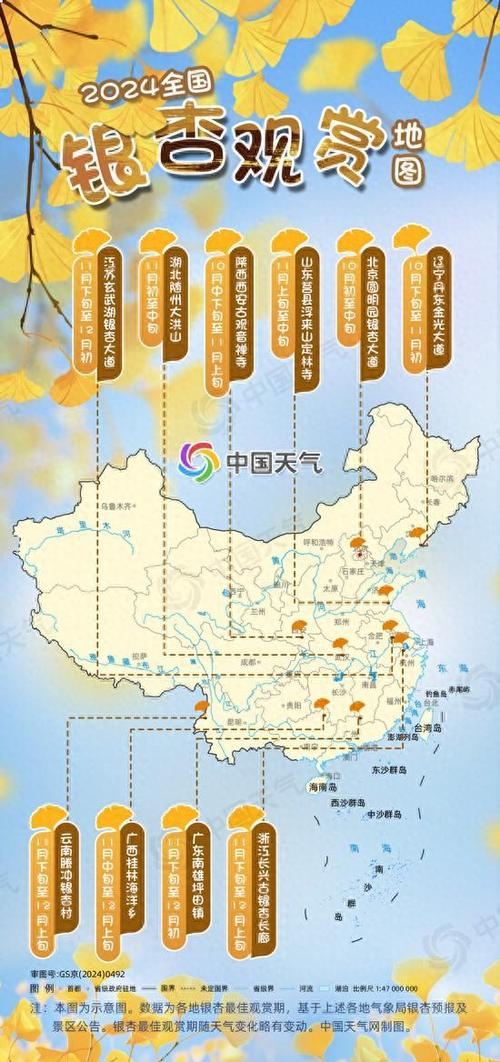
The zhejiang subtropical monsoon humid climate with an average annual temperature of 15. 3 ~ 18. 5 °c; frostfree period of 225 - 280 days, annual precipitation of 1000 - 2,100 mm, full annual daily days of 1,800 - 2,300 hours. According to incomplete statistics, there are over 28,000 silver almonds in the province, and over a thousand years of age, mainly in the cities of changhing, qianm, sun an, fuyang, zhuang, anji and yihai。
In the city of zhejiang, which is a watershed between the yangtze and chandong rivers, consisting of the eastern and western abyssian mountains, which have been destroyed with their native vegetation, the western abysmal high valley, with its peaks rising and remaining intact, is now classified as a national nature reserve, with more than 300 years old almonds 184 years old, more than 10 millennia old, and many embryonic trees, with few real silver almond trees, in addition to a few artificial almond trees, near the east mount of green dragon mountain and the elevation bridge, and mainly between 300 and 1020 metres above sea level, with little or no stars or small slices, mostly growing on both sides of the mountains, their waists and valleys, and a few silver almonds at 1,200 metres above sea level. The northern tropics of the western amphibian mountains, with average annual temperatures varying from 14. 8-8. 8°c to 1390-1870 mm and frostfree period 209-235 days。
The forest of the herds of the forest is a natural state, and the top canopy is made up of silver almonds, pines, willows, green willows, sauerkraut, acne, ring leaves, blue leaves and vanilla trees, and the middle is made up of trees such as cyanoka, lunar, leopard, tea, spongy, wood for exchange, and the bottom is made up of eucalyptus, ivy, dog ridges, lavenders, sand roots, rock, etc。
Our geologist li si gwang believes that there are fourth-cirque glacial remains at the astronomical mountain and that in recent years there have been signs of loose and mixed piles, glacial troughs, ice caps, etc., at different altitudes. Even so, experts concluded that the magnitude and intensity of the glaciers that took place during the fourth century were not sufficient to cause the extinction of the silver almonds of the mountain, which were thus able to survive the devastation and reproduce to this day。
Silver almonds in hubei
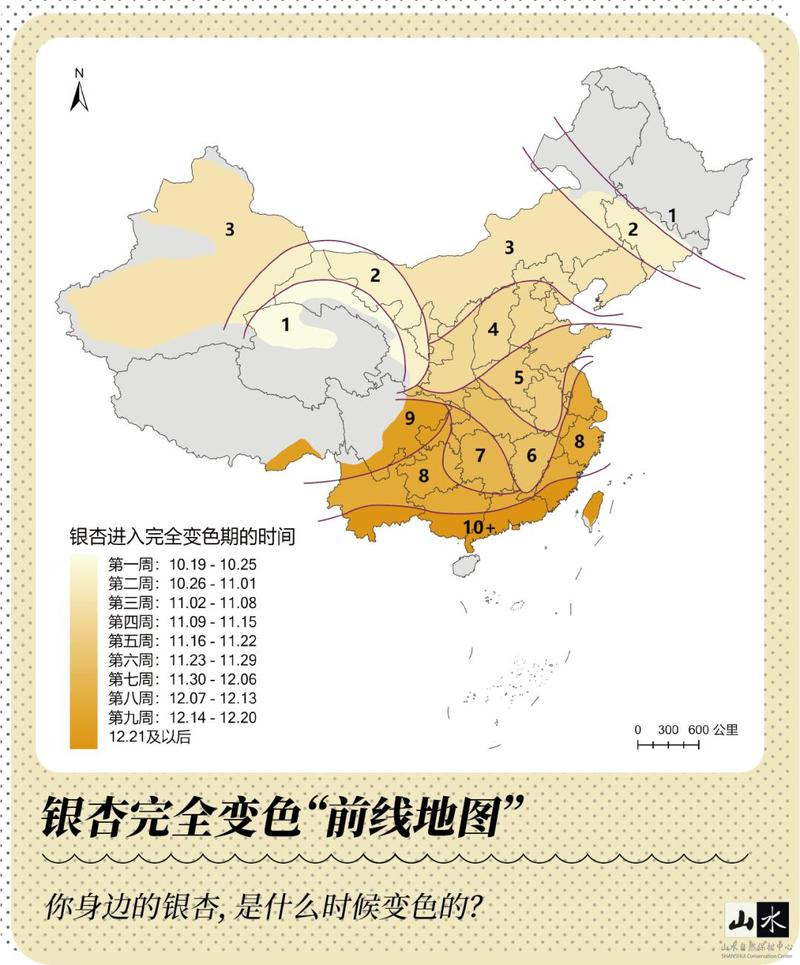
From ancient to new generations, according to geoscientific evidence, the area of hubei, located in the interior of our country, has experienced four periods of movement, from the huarishi, inchi, yan and himalayan movements, the first two periods having been dominated by vertical movements, with long and frequent ups and downs, and the northern part of the country having surfaced from time to time and from sea to sea; the latter two periods have been dominated by horizontally squeezed mountain-making movements. It was only 2. 5 million years ago that hubei formed the current landscape。
In ancient to medieval generations, the "triple chronology" (230 million years ago), the northern region of the lake is tropics to subtropical humid climate, the medieval jurassic period (195 million years ago), the north of the lake is still hot and humid, the rainfall is abundant, and silver almonds and iron are all over the land of the lake today. By the end of the third and fourth centuries (2. 5 million to 67 million years ago), huge glaciers had struck the northern hemisphere and the land of china today, and the north of the lake had not been spared. Only the region of the great hongshan and the area of the sculpture were isolated by the mountain barrier and the power of the glaciers diminished, so that the flora and fauna of the new generation of the third and fourth centuries were preserved。
In the north-west of the lake, there are the mountains of dabara, voodoo, wudang and wudang, and in the north-east there are mount kirpa and mount bei, and in the south-east there are the mountains of doom. The western, northern and eastern rims are wide open to the south in the middle and form the horse-footed terrain. The province has a subtropical monsoon climate with sufficient heat, abundant precipitation and warm and wet。
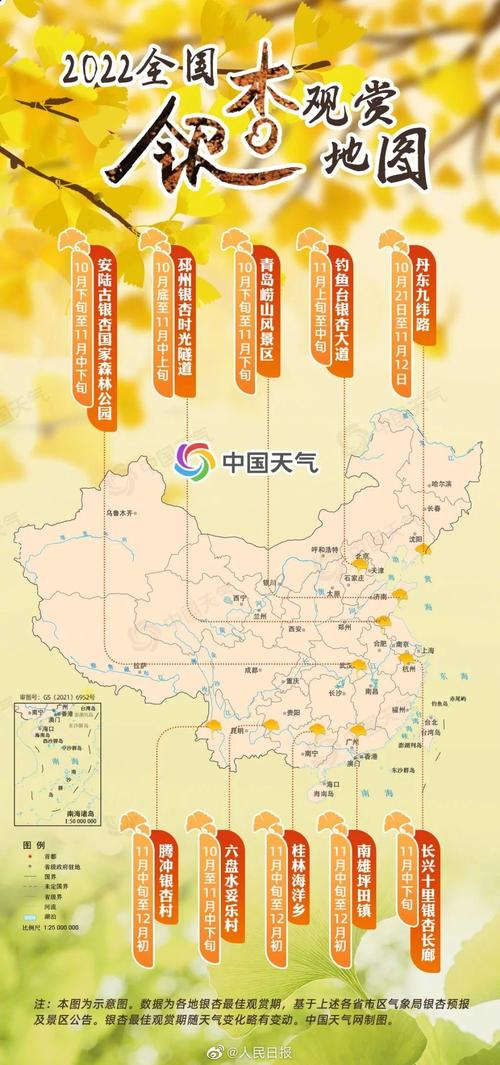
Silver almonds in hubei are mainly located in the area of the great hung hills, in the area of the great dynasty farmer and in the south-western mountains of okao。
(1) silver almonds of the scorpion. It's high, 3653 meters, and it's called "first of china." "the ark of noah of the chinese glacier age" has been described by experts as the "ark of the chinese glaciers." the fourth century of the new generation, 2. 5 million years ago, the central part of the country was in a glacial period of active activity, while the pontoons of the gods remained unreached, serving as a refuge for the flora and fauna of the time, and some plants had survived many times and survived. Our famous botanical scientist, professor zheng zheng zheng, has asserted that the sorbonne is the world's rare plant, the "living fossil" treasure, with plants that exist 6 million years ago, including silver apricots, muskets, sprouts, water green trees and vanilla trees. According to an animal expert, yang zhizen, the atolls have the beauty of “natural zoos”, including eight national-level and 49 national-level protected animals, as well as a variety of rare white bears, white snakes, white herbs and deer species, and, more surprisingly, seabird swallows. According to the test, in ancient times, the scaffolds were a vast ocean, gradually rising through the movement of the world's history and the himalayan movement to form today's multi-grade stage and leaving a trail of seabird gold swallows. Not only is the scaffolding of the relatively complete third-generation active fossil plant system, but it also preserves a large part of the ancient chinese fauna, which is the most fully protected place internationally recognized for vegetation in mid-latitudes, preserving the entire living fossil ecosystem and the world's most complete pre-calendar and ancient layers (570 million years ago)。
In the land of the campesinos, the mountains are sprawling, and the terrain is plentiful. In the history of mankind, there has been little interference by human activity, and its natural ecosystem remained closed until the 1970s. So the silver almonds in this area should certainly be in the wild。