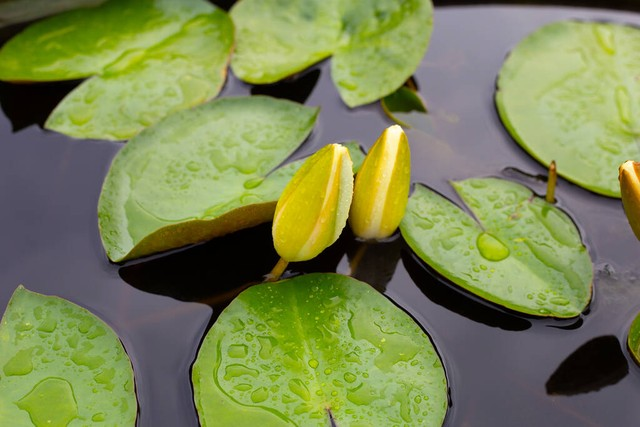
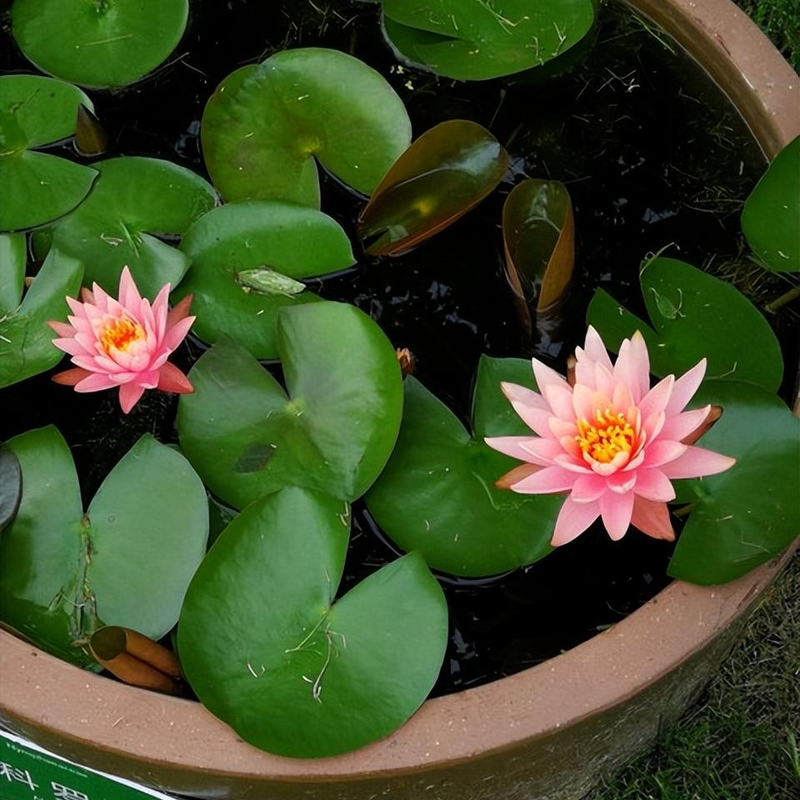
Sleeping lotus, this beautiful aquatic plant, with its rich flower colour and unique form, attracts the eyes of countless people. It is not easy, however, to make sleeping lotus truly attractive. Among them, the choice of appropriate depth and quality is crucial。
First of all, let's talk about deep water options. As a aquatic plant, sleeping lotus is naturally nourished by water. But deep water has a subtle effect on the growth of sleeping lotus. Excessive water depths may lead to inadequate stretching of the roots of the sleeping lotus and limited nutrient absorption, which in turn makes the plant weak and weak enough to sustain the huge leaves and flowers. Over-deep water, on the other hand, may allow sleeping lichen blades to be immersed in the water for long periods of time, without normal photosynthesis and breathing, thus preventing growth and flowering。
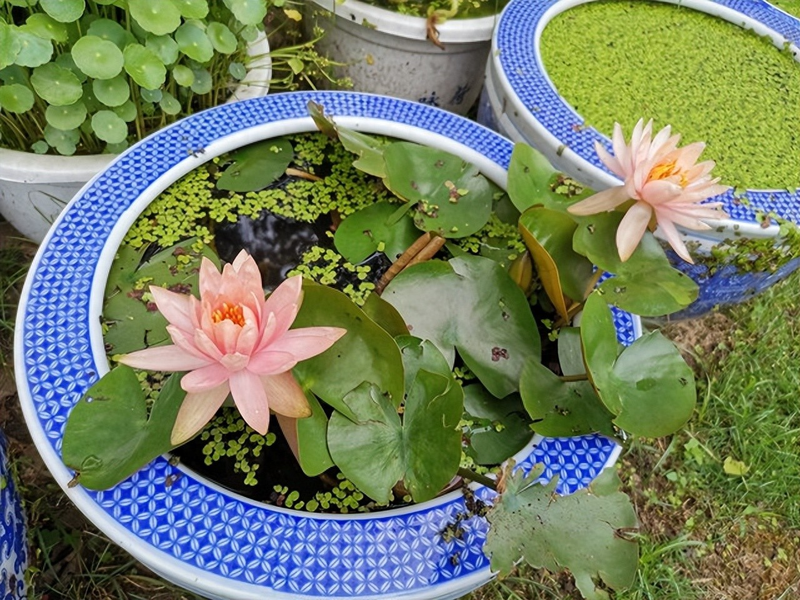
In choosing the depth, we also need to take into account the growth environment and climatic conditions of the sleeping lot. In an environment of abundant sunlight and high temperatures, a proper deepening of water depth can help to maintain water temperature stability and provide a more comfortable growth environment for the sleeping lotus. In the case of low temperatures and insufficient sunlight, water depth can be reduced appropriately to avoid the adverse effects of too low water temperatures on the growth of sleeping lotus。
Next, let's look at water quality options. The good or bad quality of water is directly related to the growth of sleeping lotus. Clear, oxygen-rich water quality is the ideal option for sleeping lotus growth. Such water quality provides enough nutrients and breathing space for sleeping lotus and contributes to the healthy growth of plants。
In practice, however, it is often difficult for us to obtain the desired quality of water. Chemical substances such as chlorine gas contained in piped water may cause harm to the roots and leaves of the sleeping lot. Therefore, when running water is used to pour down the bedline, it is advisable to place it for a certain period of time and to allow chlorine to volatilize. In addition, the nutrient content of water requires our control. Excessive nutrients can lead to too much growth of the sleeping lotus, poor flowering and even the breeding of algae. Therefore, we need to periodically replace water or add appropriate quantities of decomposed organic fertilizers to maintain a balance in water quality。
At the same time, algae in water are the enemy we need to guard against. Algae compete with the sleeping lotus for nutrients and light in the water, affecting their normal growth. In order to prevent the growth of algae, we can regularly clean up algae in water or use some special algae degae。
In addition, ph in water is a factor requiring attention. Sleeping lotus prefers to grow in neutral or micro-alkalin water. If the ph in water is too high or too low, it can have a negative impact on the growth of the sleeping lotus. We therefore need to regularly test the ph in water and regulate it as needed. Some special ph regulators can be used, or water quality can be improved by replacing water sources。
In addition to choosing the appropriate depth and quality of water, the planting of sleeping lotus requires other attention. For example, sleeping lotus needs plenty of sunlight. Sunshine is an important condition for luminous cooperation and a key factor in flowering. Therefore, when choosing where to grow, every effort should be made to select areas where there is sufficient sunlight to ensure that the sleeping lot is able to fully absorb sunlight。
At the same time, sleeping lotus needs appropriate temperatures. They like warm environments with the most appropriate growth temperature of 20-30°c. If the temperature is too low or too high, it can have a negative impact on the growth of the sleeping lotus. As a result, when planting a sleeping lotus, choices need to be made according to local climatic conditions to ensure that the plant can grow at the right temperature。
Finally, regular trimping and deworming are also integral to the planting of sleeping lily. Cutting helps the sleeping lotus to maintain a beautiful form and to promote the growth and flowering of new buds. Deworming can prevent pests from causing damage to sleeping lichen and ensure the healthy growth of plants. Therefore, we should periodically check the growth of the sleeping lotus and identify and address pests and diseases in a timely manner。
In short, the planting of sleeping lotus requires a combination of deep water, water quality and other aspects. Only with these planting techniques can the sleeping lotus grow healthy and produce beautiful flowers。