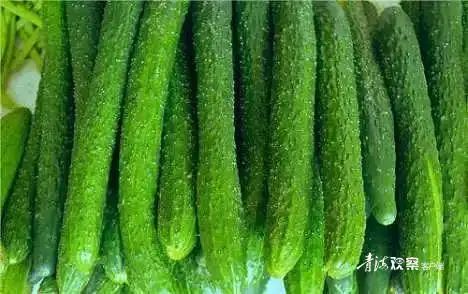
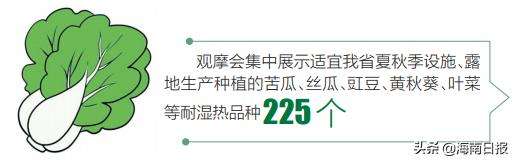
The high temperature of 32°c, the cabbage, the cabbage, the cabbage, and the cabbage, which are characterized by “hot-resistant”, is high. On 25 august, the new technologies for new varieties of vegetables in hainan province (i. E., through the cold season) was presented at a conference held in kanzhou, which focused on 225 wet-resistant varieties such as hard melons, silk melons, beans, yellow autumn and leaf cabbage suitable for our summer autumn facilities, field production and production。
It was hosted by the provincial agricultural rural department and hosted by the institute of tropical crops resources of the chinese academy of tropical agriculture, with the participation of more than 90 participants, including representatives of the agricultural and rural sector of the province, provincial fertilizer stations, provincial plant protection stations, provincial seed stations and the relevant directors of the agro-technology centres of the municipalities, enterprises and growers。
According to wang jiabao, secretary-general of the institute of tropical crop varieties of the chinese institute of heat sciences, the show includes six new varieties with our provincial autonomous intellectual property rights and has declared the right of the state to protect new varieties of plants. This means that i have made a major breakthrough in the technological development and demonstration promotion of the wetty-retarded vegetable industry in the summer autumn。
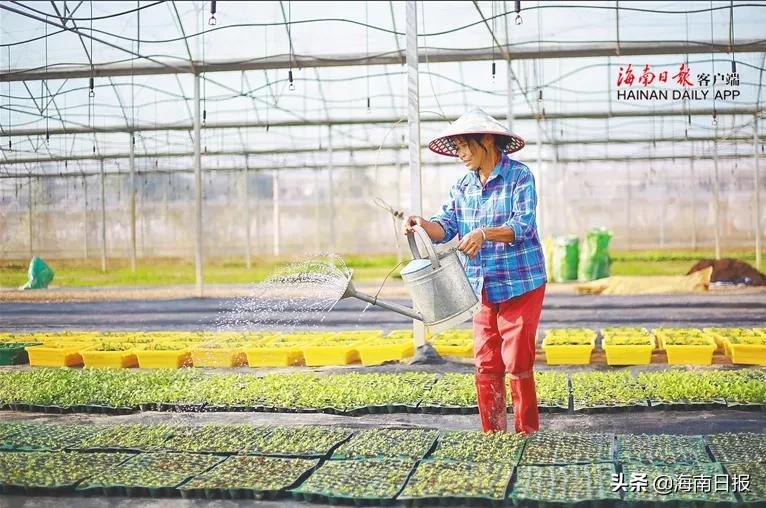
Villagers are pouring water on the vegetable seedlings at the base of mapo, east hill town, su young district, haikou city. Heinama daily, journalist lee zhongping, correspondent, chen chang-chul
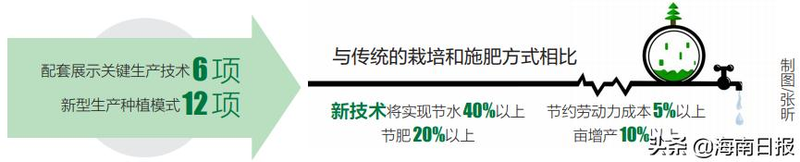
“the development of the hainan vegetable industry has a marked seasonality, with a subsistence rate of less than 40 per cent for vegetables in the summer autumn.” the director of the vegetables research unit of the tropical crop varieties research institute of the chinese institute of heat sciences, yang wing, presented the scientific and technical results of the joint effort of the chinese team of technological innovation in the vegetable industry in the chinese school of heat to form a joint task force of technical teams in the province, the “strenggle technology optimization and integration demonstration of the food rotation model”, funded by the relevant departments, and the major scientific and technical project “summer and autumn wet and cold vegetable screening and development”. At the same time, six key production techniques, such as “organ + microbacterium + microspray” techniques and one-time fertilization techniques for cabbage, were presented, and 12 new production models, such as “maize + leaf” and “sort + leaf” were shown。
Yang wing indicated that new technologies would achieve water savings of more than 40 per cent, fertilizer savings of more than 20 per cent, labour cost savings of more than 5 per cent and acre production growth of more than 10 per cent, compared with traditional cultivation and fertilisation methods, while new production patterns of inter-cropping would optimize soil micro-organisms, increase the compounding index by more than 20 per cent, increase the rate of nitrogen fertilizer use by 10 per cent and increase economic efficiency by more than 500 yuan/acre。
The deputy director-general of heinrich modern agriculture development co. Ltd. Said that the supply of sub-vegetable vegetables at the summer and autumn festival would be in short supply and that, if these good practices were combined, enterprises would achieve cost savings, upgrades, efficiency gains and contribute to the green development of efficient agriculture in our province。
According to li peng, the head of the growing industry division of the provincial department of agriculture and rural development, the “basket” circle of friends will be expanded in the autumn of the hainan summer. This will be followed by an ongoing drive to establish science-based crop management and marketing interfaces in our province to address the high cost of growing vegetables and the difficulty of buying them。