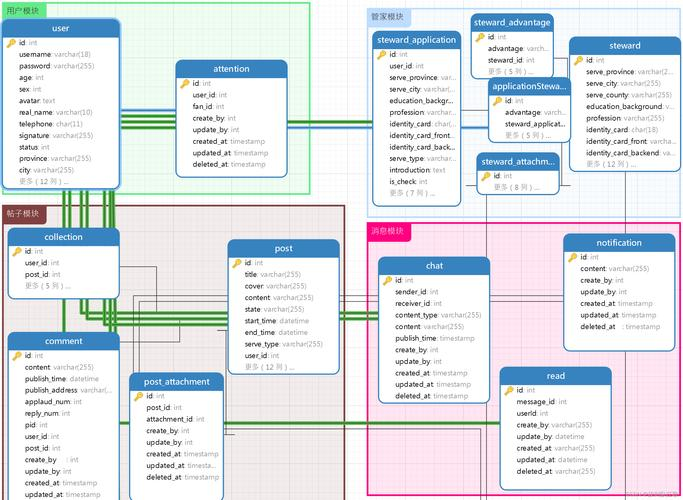
The design of the shallow analysis database is an important step in determining how the data are organized and stored, including the architecture, table and field design, relationship design, etc. Of the database. A good database design improves the reliability and productivity of data and reduces redundancy and duplication of data. A brief analysis of the processes and techniques of database design follows. First, the database design process typically includes the following steps: identification of needs, design of conceptual models, design of logical models, design of physical models, achievement and optimization. Of these, identifying demand is the most important step that needs to take into account the needs of users, including the use of scenes, data type, scope, precision, etc., and therefore, in this step it is important to communicate more deeply with users and understand the nature of the demand. The conceptual model is designed to express the demand in a graphic form, such as er, er, etc., to describe the relationship between the entity, the properties, and is the basis for the logical model. The logical model is designed to further define inter-entity relationships based on conceptual models, such as linkages, constraints, data dictionaries, etc. The ultimate aim of this step is to obtain a logical model that meets all needs. Physical models are designed to translate logical models into physical storage structures, including the selection of suitable database engines, table design, index design, partition design, etc. The focus of this step is on optimizing query performance, data backup and recovery, security, etc. Realization and optimization of physical models through testing and optimization to enable better databases