Elements of rice and drought cultivation techniques
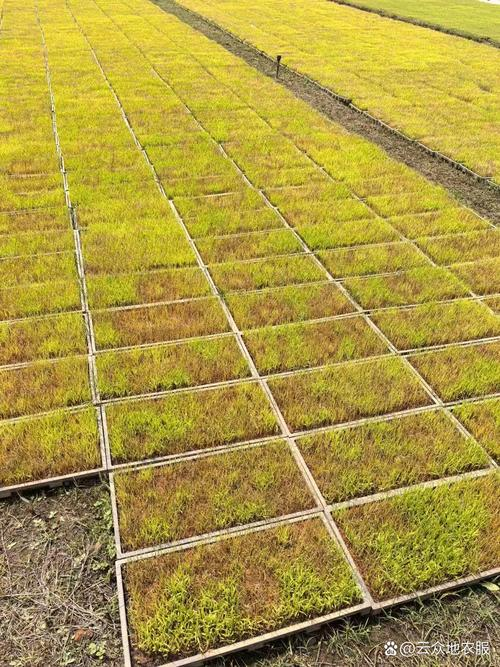
1. Foot bottom fertilisation: 30 - 40 kg of carbon ammonium and 20 - 25 kg of calcium per acre of rice, combined with deep or well-drived fields, to be applied as a medium fertilizer, with a much greater use of former smelt fields and less use of vegetables or potato fields。
Ii. Lightly and timely planting: based on high-yielding rice planting points, my best order for shallow planting of rice in our town was 5-25 may, with a range of 4x5 inches or 3x6 inches of mixed rice, with an acreage of 3-40000 bushes with 1-2 slices of sapling per bush; and 3x4 inches of conventional rice, with an acre range of 5-60,000 bushes, with a suitable range of 2-3 slices of sapling per bush。
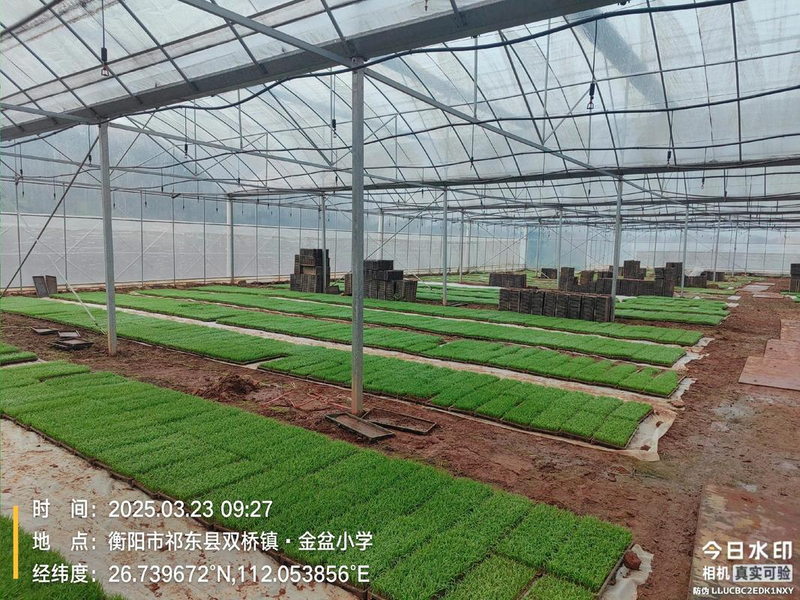
Scientific piped water: in keeping with the principle of “soft water incubation, incubation of a tree, thin water incubation, enough to sow a field”, the acres are drained and tanned when the number of saplings amounts to 300,000-350,000 seedlings, the control of non-effective fractions, and the promotion of large saplings and root growth. High fertility, strong fields with light sun, water-driven growth and wet and strong seeds to prevent early decay。
4. Reasonable pursuit of fattening and weeding: 7-15 days after planting, combined with chemical weeding, and 7. 5 kg per acre of paddy rice, followed by 2-3 centimetres of water for 4-5 days and seven days after normal management. After planting, for 40 to 45 days, when the seedling is fertilized, the previous period is more fertilized, the fields where the seedlings are strong and strong are not applied; the first period is less fertilized, the fields where the seedlings are small and weak are multi-spread, 2-3 kg of urea per acre and 5-10 kg of potassium sulphate are applied to boost the pole and grow up。
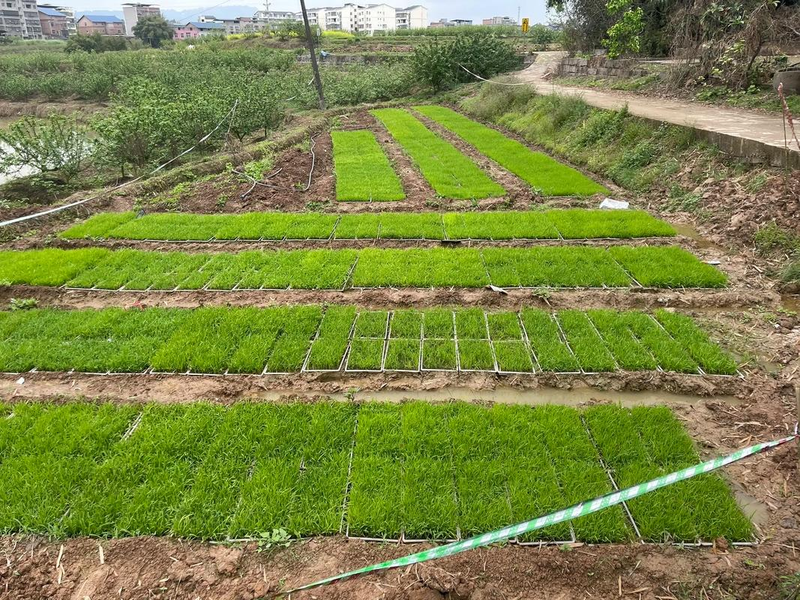
Integrated pest and disease management: 40 per cent of sulfur ring 150 ml and pyrethroid insecticides are applied proportionately one day or two before seedlings are planted, the effects of half-effects on pre- and insect pest control in daejeon are multiplied, and the drought plant is fast and early, with a focus on catching post- and medium-term paddy fever and paddy rotor disease control, and 40 per cent of sulphate 30-40 g per acre and 50 grams of irigonin, 40-50 kg of spray in water and 2-3 times to combat it。