Technical guidance for sugar cane production in the autumn of 2016
National technology system for the sugar cane industry of the national agricultural technology promotion service
As sugar cane production enters a critical period of harvest and winter seeding, and is now generally well developed in all regions, and in order to strengthen production guidance and ensure safe and stable development of sugar cane, the national centre for agricultural technology extension, in collaboration with experts from the national system of technology for the sugar cane industry, has developed technical guidance for sugar cane production in the autumn of 2016. The overall requirements are: to strengthen preparedness against natural disasters in the autumn and winter, to combat drought and drought, frost and fire; to strengthen field management, with emphasis on pest and pest control and the eradication of rats; and to make scientific arrangements for sugar cane harvesting and production in the following year to promote efficiency gains in sugar cane extraction。
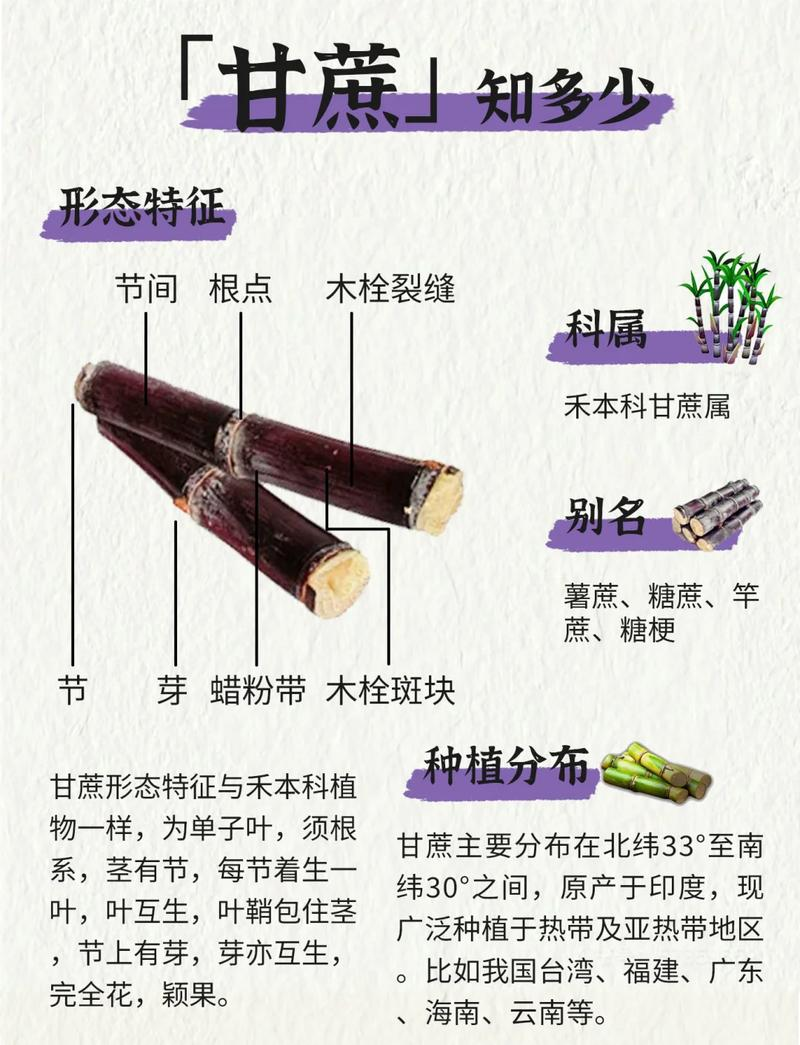
I. Protection against the sugar cane winter natural disaster
(i) drought preparedness and preparedness. The soil content of the sugar cane field in the later stages of production should be maintained at 60 to 70 per cent of the maximum water holding in the field, and proper water management in the field is essential to ensure a steady harvest of sugar cane. In the case of irrigated sugar cane, the water supply should be gradually reduced and water should be stopped two months before the harvest so as not to affect its normal maturity. In dryland areas with no irrigation conditions and often drought in the autumn, care should be taken to pre-empt drought and drought, including by sealing trenches after rain, covering cane leaves and reducing water evaporation。
(ii) frostproof. High latitudes and high-altitude cane areas are prone to cryogenic frosts in winter, and frostproofing should be done before winter: 1. Watch the weather changes in time for harvest and storage of seedlings the following year before the frost comes. 2. Take care of the management of sugar cane, and leave its roots in the cane fields and do not open its pineapple until the frost has ended, so as not to freeze the cane buds; if heavy frosts are to be covered with leaf or soil; and if the damage has seriously affected its roots, it should be filled or refurbished in a timely manner. 3. After the frost has passed, the area and extent of the damage are promptly cleared, the order of the harvest is reasonably sequenced, and the sugar cane, especially if the growth point is frozen or the heart leaf is dead, must be collected first。
(iii) weeding and fire protection. In the later stages of sugar cane production, emphasis should be placed on fire prevention: early spraying of herbicides around cane fields in order to reduce the risk; awareness-raising campaigns on fire prevention and enhanced patrolling of cane fields; and constant vigilance in cooperation with fire-fighting exercises。
Ii. Strengthening sugar cane management in winter fields
(i) prevention of the loss of leaves. Leaching leaves in the later stages of sugar cane's growth is conducive to ventilation in the fields. The criteria for flaying are that the sugar cane is growing so well, that the fields are diluted so much, that the pests and diseases are severed so much as the roots of the gas, and that the dry land is not stripped and the fields are planted. (c) promoting the return of decayed leaves and increasing soil fertility. After growing, sugar cane is prone to fallback, with medium-term medium-cropping of sugar cane, cutting out old leaves, reducing the upper weight of the sugar cane and reducing wind-wind resistance; and in the case of high-preciable cane cane, the cane cane cane cane beams are used to cross into triangles or humans in two rows to strengthen support capacity and reduce fallback。
(ii) disease control. In conjunction with the insect infestation, aphids and insects are treated in a concentrated manner, using drones for aerial spraying, etc. Decentralized control can also be used, with 20 per cent of chlorfluorine beamide suspensions being selected and sprayed as required by the instructions; 50 per cent anti-aphid and 5 grams of water 10-15 kg of aphid. Watch out for the destruction of strains such as black ears and scavengers。
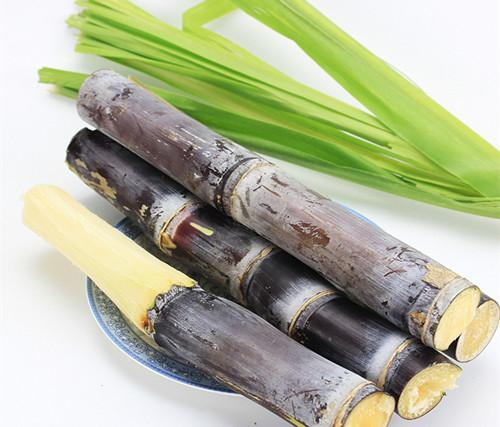
(iii) combat rodents. Stimulation is to be strengthened by chemical use, use of sodium salt or sodium salt of chlorsynthetic rats, and the production of baits (diagus) as required to kill rats. Care should be taken to combat rodents, especially in areas such as the colliding fields caused by typhoons。
Iii. Catch sugar cane harvesting chain management. This year's sugar cane assessment and maturity survey was actively conducted, taking into account the maturity of the varieties, the planting period, the type of soil and the distance of the area, and to rationalize the order of harvests so that they can be cut first, then later, and, to the extent possible, the late cutting of the cane fields where the roots are to be found. The mechanical harvest of sugar cane, which is cut off, should be actively promoted as a matter of priority。
4. Make arrangements for planting sugar cane next year. Actively preparing for the purchase of varieties of sugar cane production next year, a reasonable distribution of planting periods, seedlings, crop preparation, fertilizers, pesticides, membranes, etc. Detoxification and healthy seedlings produced in single sugar cane nurseries should be actively used in areas where conditions exist to promote cane production in autumn and winter。