Knowledge, as a form, is intangible. This non-material nature determines that "knowledge" has the following characteristics:
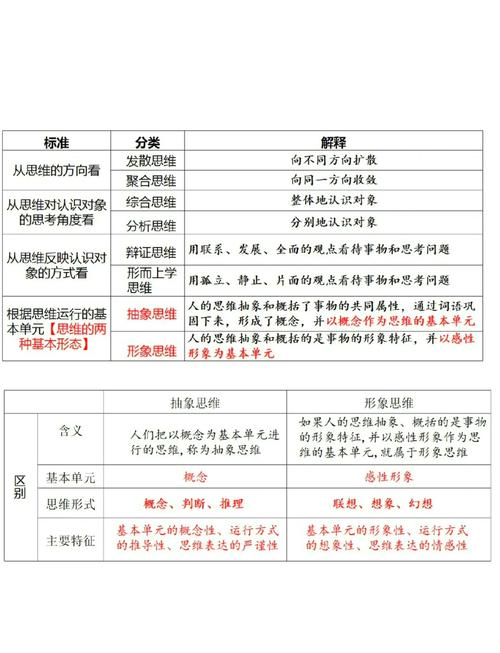
(1) “knowledge”, as a form, is not material in nature and must depend on a certain vector for its existence. Knowledge highlights information that reflects a certain amount of thought and emotion. Information has no specific entity, is colourless, tasteless, of no quality, does not occupy space and is not detectable. Information cannot exist without a certain carrier. The form of knowledge is an objective external expression of the human mind and thus necessarily uses the spirit, i. E. The dual vector of the human brain and matter. As information does not have specific formal characteristics and is objectively “none” in the context of a spiritual vehicle, it cannot constitute “knowledge”. And what is commonly referred to as “knowledge” is the perceived form of existence of a material carrier。
(2) “knowledge”, as a form, has a permanent character in time. This is fundamentally different from the object, which is the object of property rights and does not have the characteristics of perpetuity. Rights in rem are premised on the existence of the object, which, in the event of its loss, is extinguished。
(3) “knowledge” as a form, determined by its non-material nature, can be reproduced or replicated indefinitely in space. Once produced and made public, knowledge objectively offers the possibility of co-ownership and sharing. When the knowledge is acquired or used by others, it does not lead to the loss of it by the producer of the knowledge, who still owns it and can possess it and use it in the same way as many people without quantitative restrictions, interference or interference. In contrast, the nature of the object determines the original exclusionary character of the property right. The natural attributes of knowledge, i. E. Non-material, transmissible, diffuse and regenerative, prevent its producers from controlling its use through physical possession, as in the case of objects, against third-party possession and enjoyment through engagement with others. This has led to the emergence of a binding common agreement on the system of control of possession and use of knowledge in a manner prescribed by law for all members of society within a given geographical area。
Zenium