Wang xiaowei's journalist ma shao-thong
As soon as winter began, the farmers of the green hills of kashad county started to struggle to make bacteria, blends, bags... They are preparing carefully for next year's black ear planting。
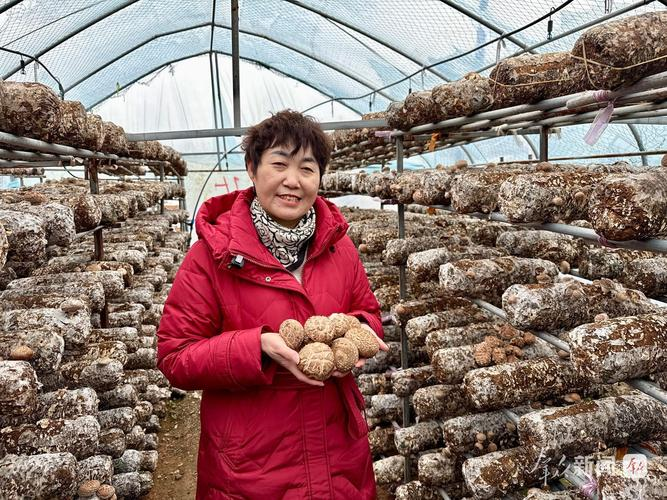
In recent days, journalists have come to the professional cooperative of the simde shroom farmer in the construction village. Before going into the hospital, a barrage of deafening firecrackers was heard. Put a plate of firecrackers and open the red. How did the mushrooms co-operative plant the black morbid? To see the journalist's doubts, the head of the cooperative laughed: “we grew mushrooms in the past, the black-mule market has been good these years, the villagers are in great demand for black-mule species, and, under the direction of the countryside, we have moved in time to focus on black-molecular seed cultivation, bag making and black-mole. No, this year we received orders for more than a million bags of black mucus, to see if the climate was right and to organize workers for production.”
A bag of raw materials, such as sawdust, bean cakes and millet, in the cooperative yard became small mountains, with machinery ringing in the workshop, and the workers were working on schedule. An electro-controlled autobacterial packer attracted the attention of journalists. It struts the mixed bacteria into the mouth of the feed, and then throws them out from the source, where the workers are skilled in loading the mixed bacteria into a bag, and then strutting them into the basket on one side. The workers said that the bags would be transported to other workshops for high temperature sterilization, eliminating the fungus contained in the raw materials and then reaching the wood-earth growers by cooling, curing and loading。
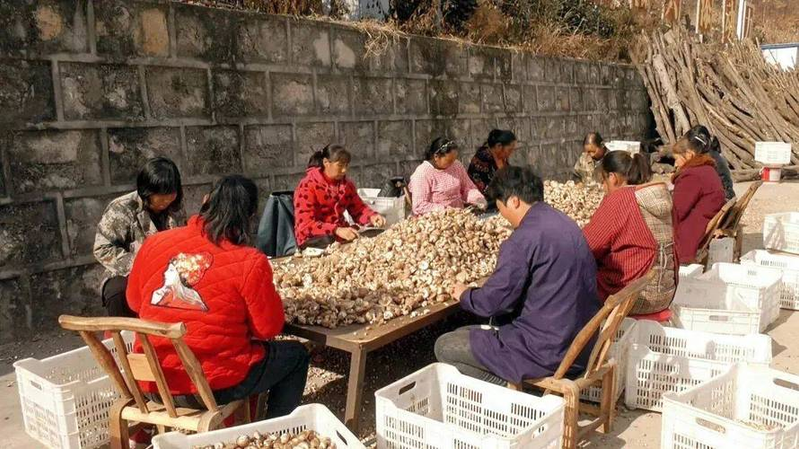
According to yin jiu, the development of cooperatives is dependent on the strong support of the county governments, especially in 2017, when it was reported that the liquid bacteria were well produced, that the planted wood was of good quality and high yield, and after multiple visits, the county invested in the purchase of the full set of state-of-the-art liquid bacterial automation equipment for the cooperative and hired technicians to provide guidance. At present, this year's liquid black molybdenum is about to be fermented and will be ready for fertilisation by the high temperature of the bag. In the case of black-mule cultivation, each process, from the initial selection of raw materials, matching, sterilisation, to the production of bacteria, fertilizers and shelves, plays a crucial role in future cultivation and production, so as to be able to do little. Last year, the cooperative had a stock of bacterium bags on board, which did not produce optimal results, and they destroyed them directly, and none of them reached the growers. It is this integrity that makes growers trust cooperatives. In addition, cooperatives have focused on providing leadership and assistance to poor households in the build-up card, 5 of the 34 workers recruited this year. On the basis of an average daily wage of $130 per person, three and a half months of production would have to have a diversified income of 10,000. As a result, the problems of working in the cooperative were resolved and the poor villagers were assisted。
In this season's qingshan village, not only is there a hot fire in the professional cooperative of senthe-single-shroom farmers, but the villagers of the villages are busy producing black molybdenum, which, in the words of the farmers, says, “one year is spring”, and the “spring” of the wood-ear growers comes earlier。
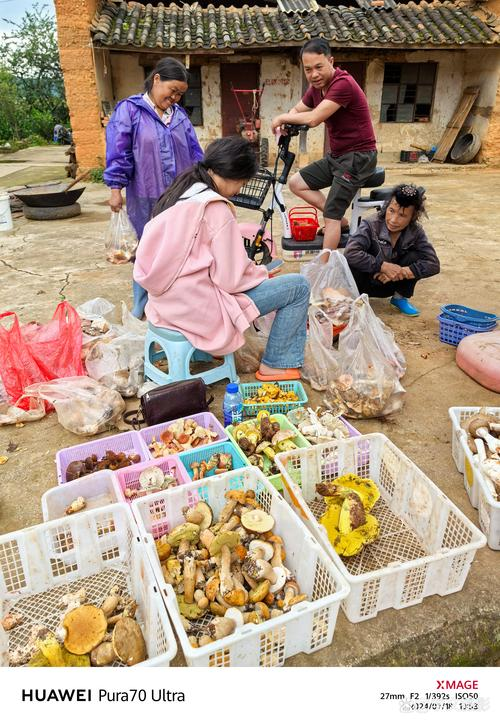
That's not a lie. It is a country with a long history and a more mature technology, with more than half of the population working in it and 1. 3 million bags in 2018 alone. It is expected that by the end of april next year, more than 200 modern, standardized wallhouses will be in operation, leading to a further shift in the previously ploughed management model, leading to the “higher” development of black-mule cultivation and enhancing the development space of the black-moleve market. At the same time, a 320-square square metre food-bacterium production and processing workshop was also built in the village of yule river, which will better integrate the country's high-quality black wood-eared resources, and will be followed by the promotion of the green mountain food-bacterium brand towards a wider market。
It is understood that in recent years, the green mountains have been highly active in the development of edible bacteria cultivation, based on unique climatic characteristics such as high-temperature, low-temperature and abundant forest and wood natural resources. In particular, since 2007, the county governments have introduced a series of preferential policies for the development of edible bacteria. For more than a decade, black-mule farming in the qingshan countryside has grown rapidly from hundreds of thousands of bags in the first years to over millions in the year, and a “black-tang” that blooms under the forest and on the ground has brought attractive income to the villagers. The district, village and government committees have given high priority to the development of the edible fungi industry, and have given great support to the cultivation of black wood, with the construction of a six-site bag of 465 million square metres, with around 9 million bags available for bagging; the construction of more than 20 housing units for the production of edible fungi; and the registration and completion of the brand and green product labels of the green river hill, which have increased the value added of edible bacteria through classification, slotting, and led villagers out of the new path of development of the edifice。