For more than half a century, from beijing to the great north-west, to the riming sea, the medal-bearer of the republic, the founder of our home country's hybrid wheat seedlings, lee jin-soon, responded to the call of the motherland, and has been laying roots in wheat fields, not only to produce high-yielding wheat varieties that are resistant to disease, nutritionally efficient and saline-resistant, but also to develop a highly sensitive vision for national food security, organizing and implementing the “yowlow sea battle” of agricultural science and technology, and proposing and promoting the construction of the “honghai barracks” project, which has made an important contribution to the country's food production and food security。
There is a saying among wheat growers in shaanxi that noodles are to be eaten and sown. What's that
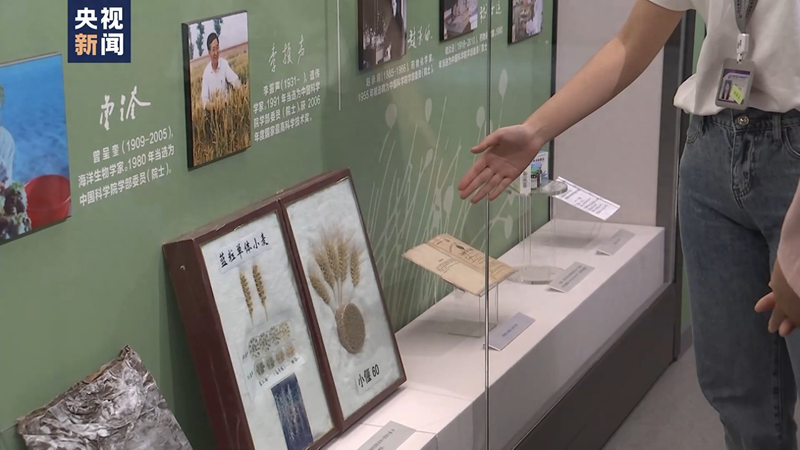
These samples of wheat seed, which are stored in the archives of the chinese academy of sciences, are newly processed by the state and are derived from salt-resistant, drought-resistant, high-product species — 60, which were widely grown in our country in the past as high-yielding, disease-resistant wheat — 6 small. The emergence of small series of varieties has led to dramatic changes in our wheat cultivation. They were nurtured by our famous wheat genetic breeder lee jinh。
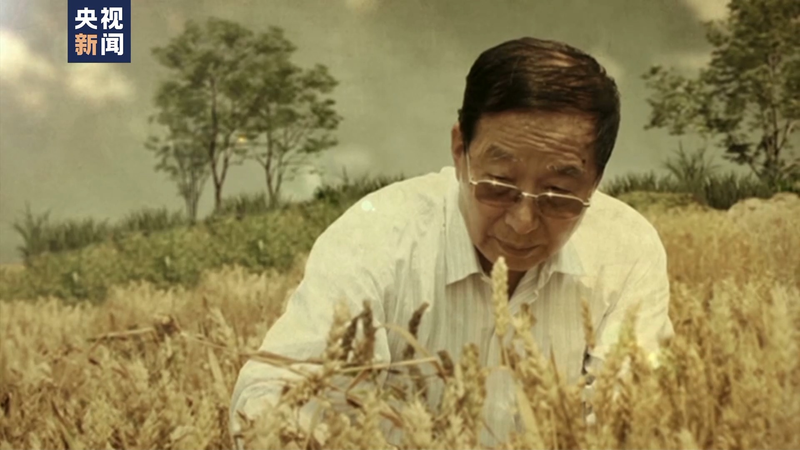
In the 1950s, when the new china was in ruins, the first thing to solve was the problem of food. At a time when our food production is more than 200 billion pounds a year, affected by rust in northern winter wheat-producing areas, we lost more than 10 billion pounds a year, equivalent to 40 million per year of food rations。
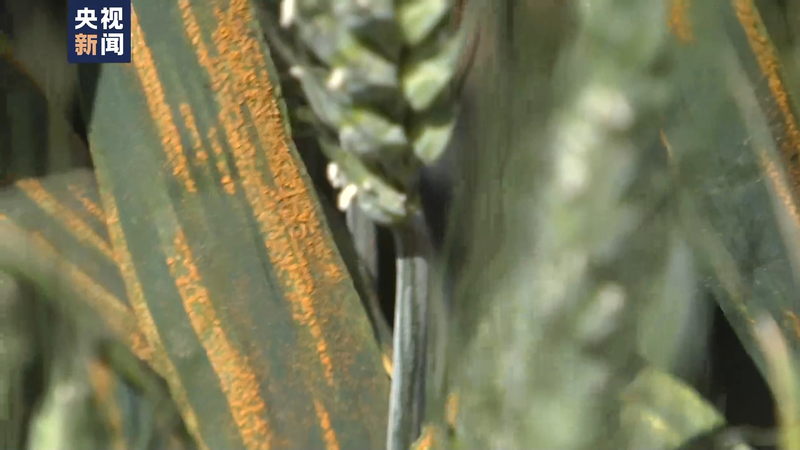
Obsolete disease, known as “wheat cancer”, is a worldwide problem, and once infected, wheat is reduced by 30 to 50 per cent, or even cut off from production when it is serious. To overcome this challenge, in 1956 li jin-soon, a specialist in agricultural science, responded to a call for central support for the construction of the north-west and went to work at the north-west institute of agricultural biological research of the chinese academy of sciences in shaanxi yang。
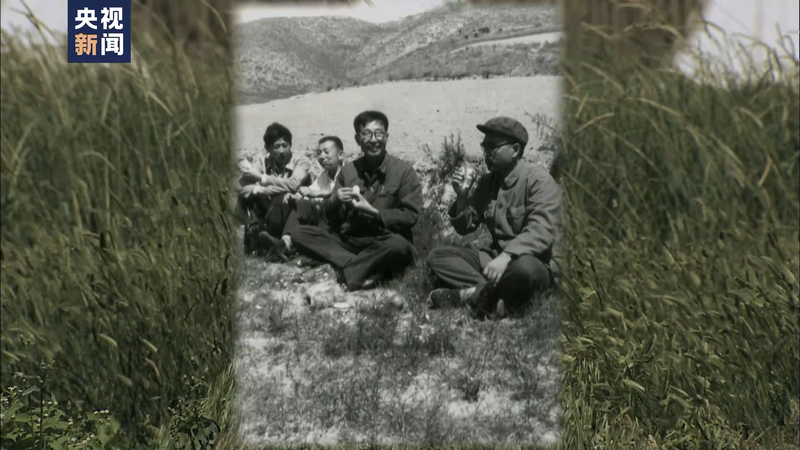
A large number of farmers were seen crying with their heads in the ground and the heart of lee jin-soon was stinged。
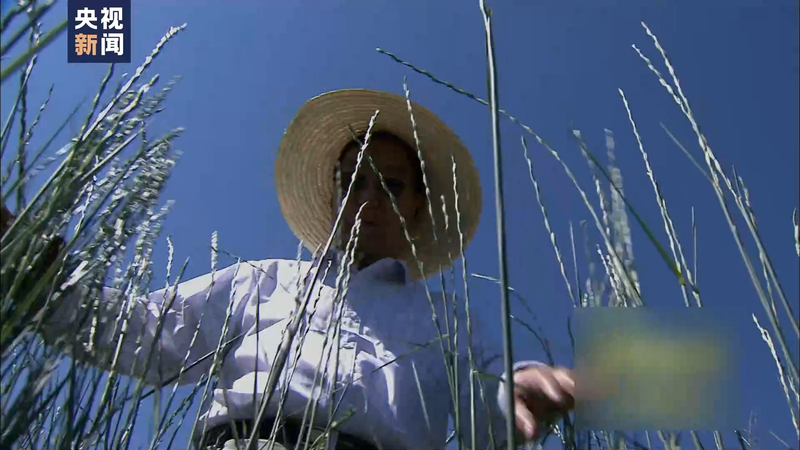
Farmers have grown wheat for thousands of years, but wheat is still so fragile; weeds are unattended, but they grow well. In contrast, li jin-soon has come up with a bold idea: can we grow a disease-resistant wheat species by mixing grass with wheat
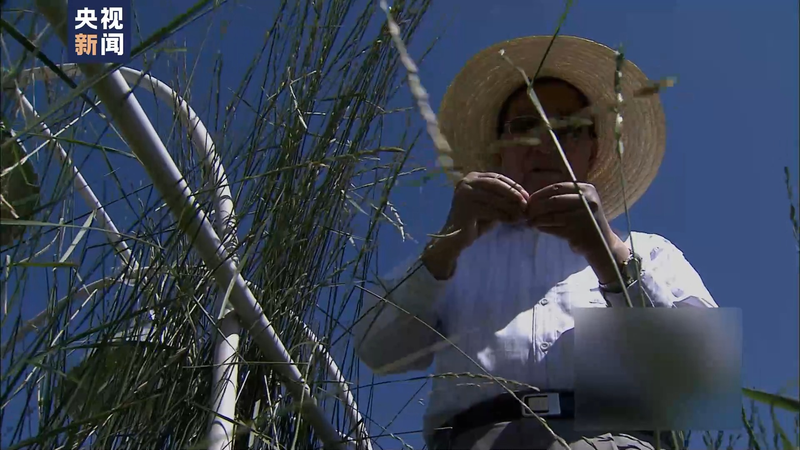
There are three difficult ways to move forward: first, the lack of consortance, which is difficult to achieve; secondly, the infertility of hybrid species, which leaves future generations with no fertility like mules; and thirdly, the “crazy separation” of future generations, which is the difficulty of maintaining a pathological character in future generations。
It was difficult, but he was determined to finish it。
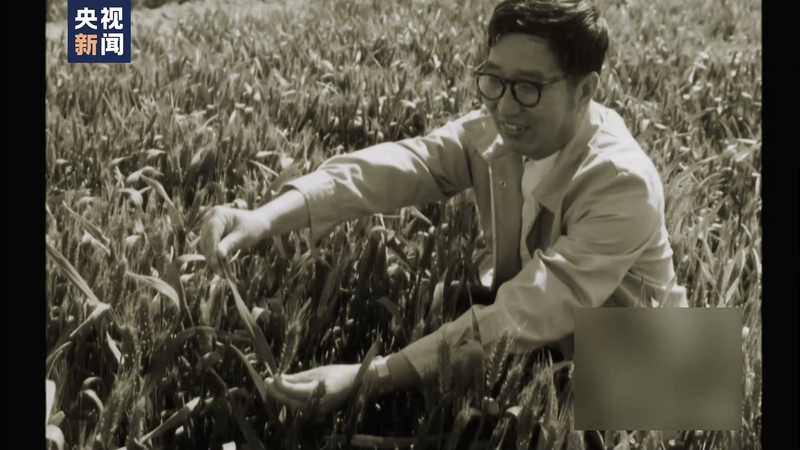
After that, the 20 most valuable years of his life were spent in laboratories and test fields. The hybrids could not germinate, and he was crouched in the fields and searched one by one for a small seed. Sometimes a hybrid looks good, and the next generation looks different, and he does it once and for all。
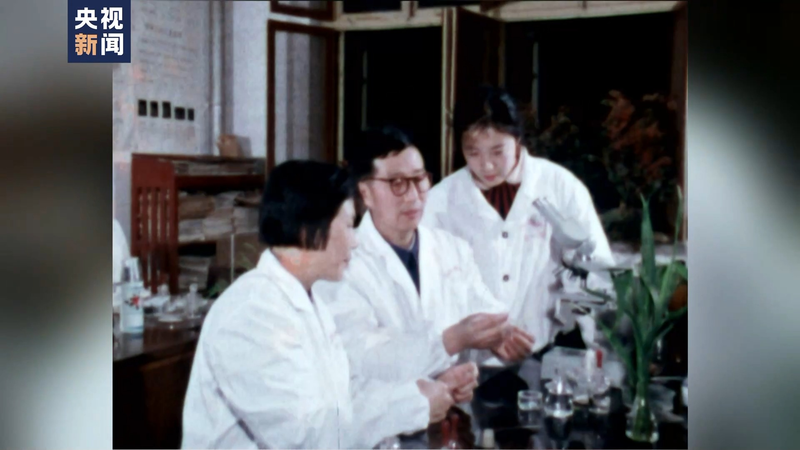
Every summer, he was tanned. Year after year, after tens of thousands of small flowers were mixed, they received several seeds. It's these little seeds that show li jin-soon the dawn of hope。
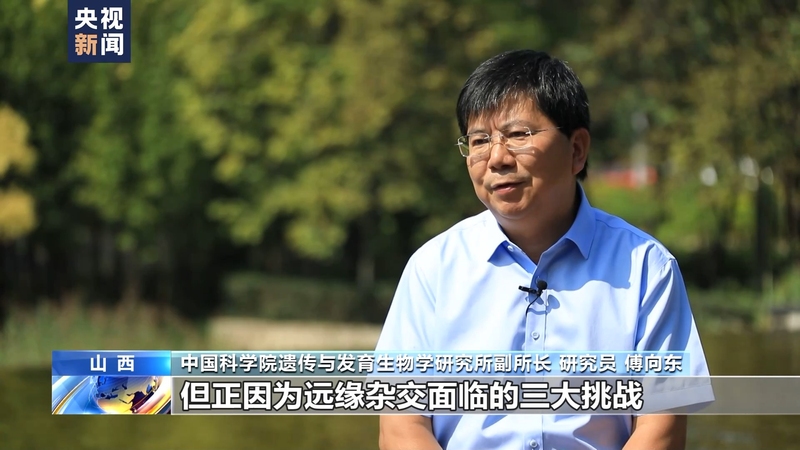
Researcher of the institute of genetics and developmental biology of the chinese academy of sciences, fung dong: many people in the world actually think about it, but because of the three challenges of distant interlocking, many people have given up in the process. The old dean li, who had been holding on for over 20 years, had succeeded in breeding a high-yielding disease-resistant species. His insistence is the key to his success。
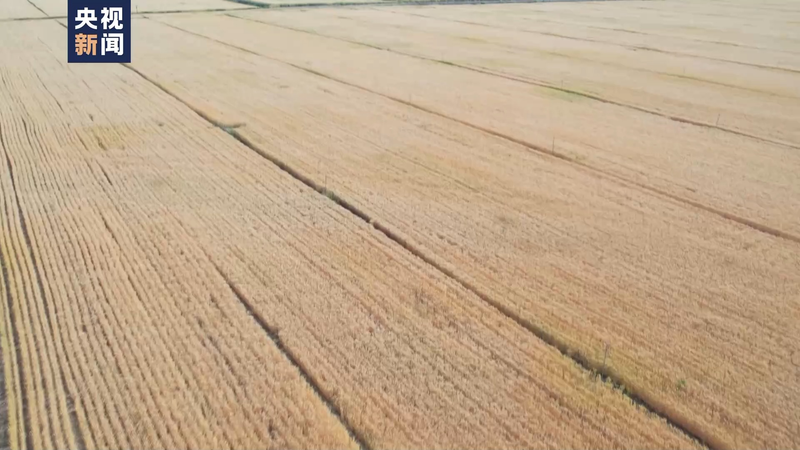
Li jin-soon worked tirelessly in scientific research to bring about a dramatic change in chinese wheat cultivation - in 1978, new varieties of wheat from the small sluice series had a good effect on initial production extension applications. Of these, small six is the most prominent, and small six is capable of fighting eight small biological strains of rusty bacteria at the same time, with high yield and good quality, making white and noodle bars。
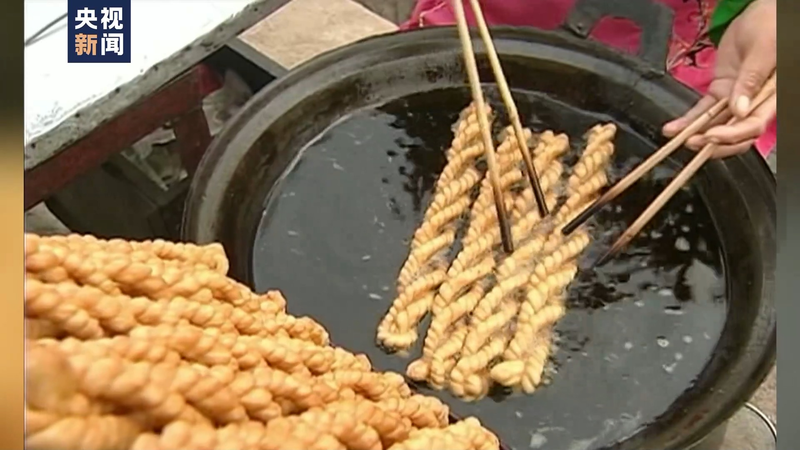
He also reaped the highest assessment he received from shaanxi farmers: “seize noodles, grow a small meal!”。
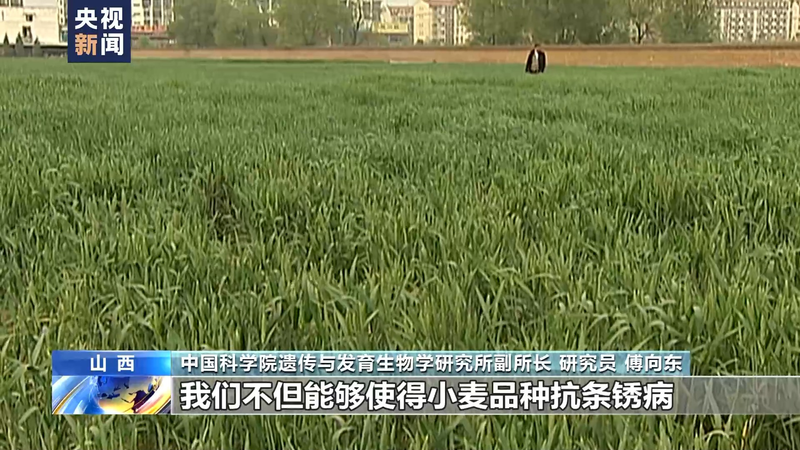
Researcher of the institute of genetics and developmental biology of the chinese academy of sciences. With this variety, we can not only make wheat varieties resistant to bar rust, but also have high-yield characteristics, so they are popular with the local population。
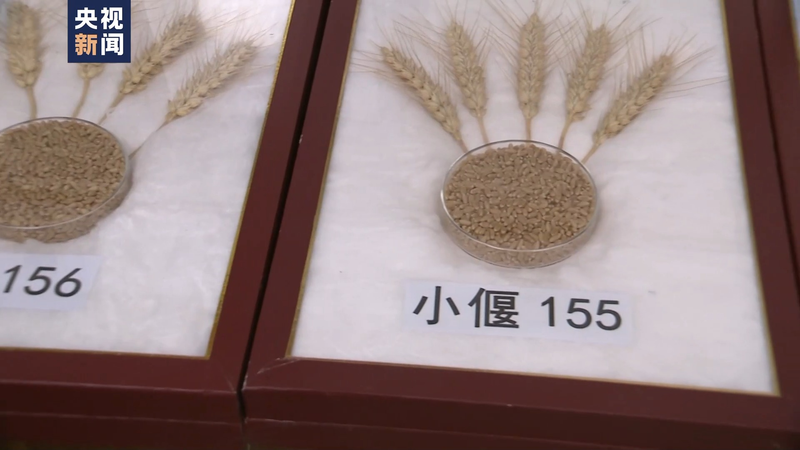
These qualities have made xiao xiao xiaohu 6 an important boner for chinese wheat breeds, with more than 80 derivatives, and the emergence of xiao xiao shu 6 has even outpaced rice production in our country。
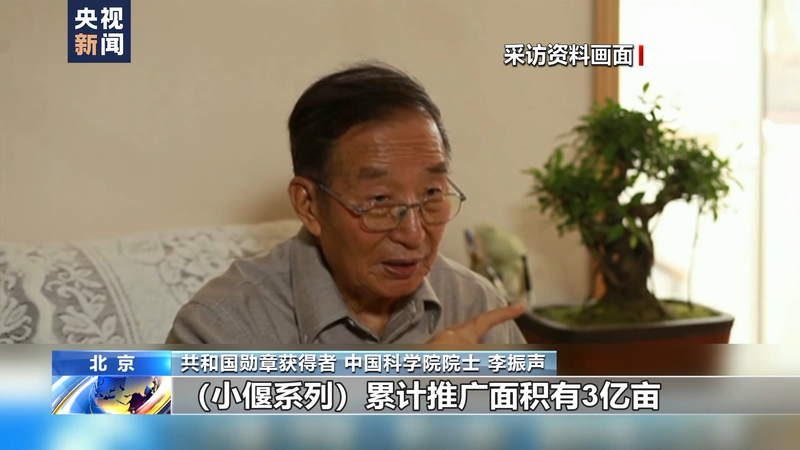
The awardee of the order of the republic, lee jin-sung, a member of the chinese academy of sciences: as of 2006, the cumulative expansion of the mini-song series was 300 million acres, with a rough estimate of 15 billion pounds of additional food production, so it is worth the work we have done and the results we have achieved。
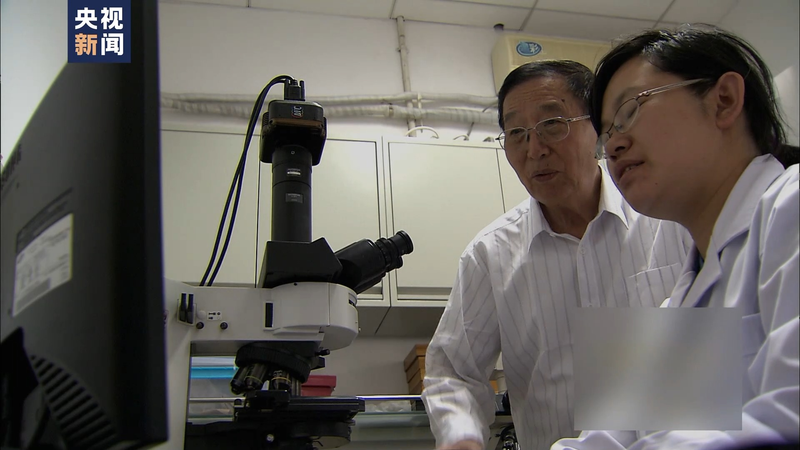
Following the success of the barley indistinguishment, li jin-soon did not stop. He was deeply concerned that the breeding process had been too long and had led the team to create a missing person-turning method, opening a new path to the operationalization of wheat chromosomes. It took three and a half years to select altruistic species, significantly reducing the time spent on transvestite breeding。
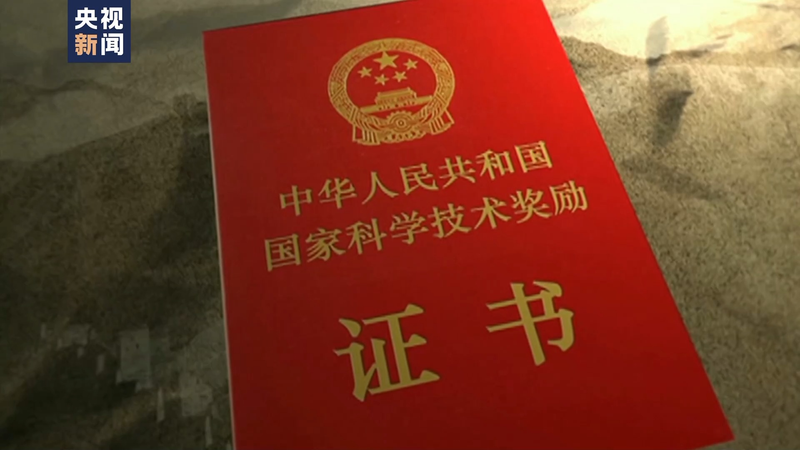
In 2007, lee jin-soon received the highest national prize in science and technology, thanks to the major build-up of research in the field of telemetry and dyeing of wheat。
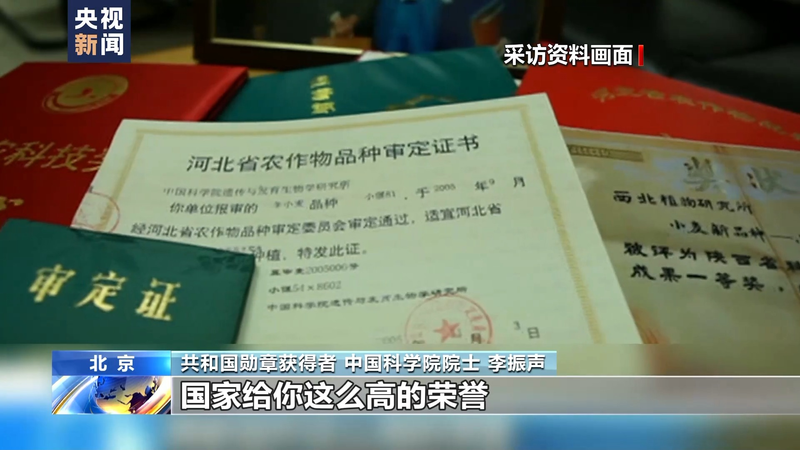
The winner of the order of the republic, lee jin-soon, a member of the chinese academy of sciences: how can you repay the country for the honour it has given you? I was 75 years old, and i thought my body was okay, so we started organizing a ring sea project。
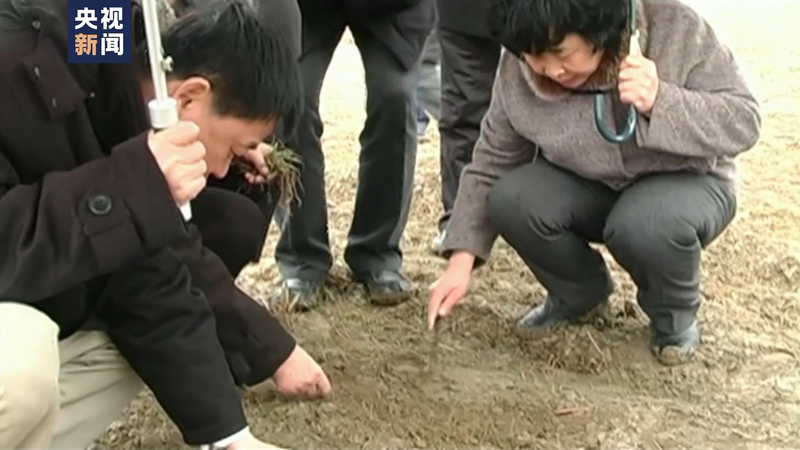
The 75-year-old lee jin-soon again set out with the task of “food for” the saline, not only to grow food but also to produce. By mixing ordinary wheat with salt-resistant plants, lee jin-soon led the team to successfully produce salt-resistant wheat. From 2013 to 2017, a five-year cumulative demonstration of the grain silicon science and technology demonstration project was carried out in 8,017 million acres, resulting in a cumulative food gain of 21 billion pounds and efficiency gains of 18. 7 billion yuan。
In 2020, nearly 90-year-old lee jin-soon was still thinking. On the basis of several years of planting experiments by team members on salin lands such as cao cao, hae-hing, nanpi, east camp, he proposed the idea of building a “coastal grass belt” - • the efficient use of 10 million acres of sea-based salin lands in our ring sea area through the cultivation of grass-breeding livestock to address the problem of the use of our salin wasteland and the current heavy dependence on imported feed。
Researcher, institute of genetics and developmental biology, chinese academy of sciences。
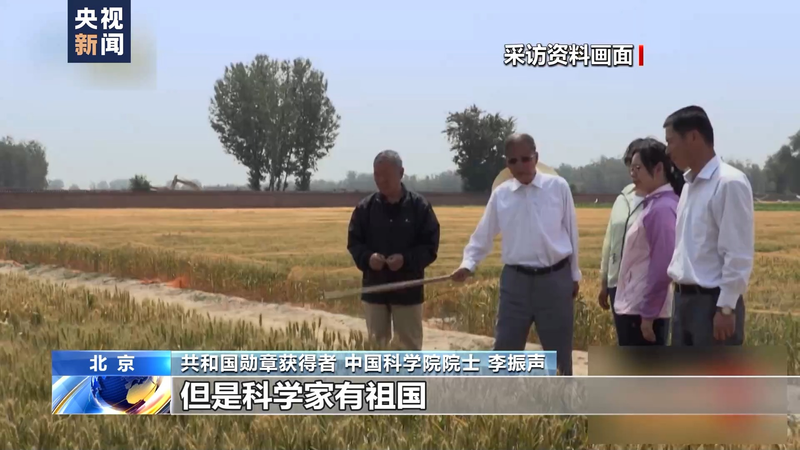
The winner of the order of the republic, li jin, a member of the chinese academy of sciences: science knows no boundaries, but scientists have their homeland, innovation technology, service the country and benefit the people. This has also been entrusted to scientific researchers by the general secretary。
(indistinct news client)