Strawberry is a colourful fruit, which looks like a heart-shaped, juicy and fragrance, rich in vitamin c, carrots, vitamin b, phosphorus, iron, calcium, potassium, and inorganic salt, and is an accompaniment of longevity and anti-age。
Since 2018, strawberries have been grown in the village of wu zheng, yang zheng town, pu shui county, shandong province, and local growers have continued to learn from their production, improving the level of strawberry cultivation techniques and mapping out a systemable strawberry production technique. Strawberry production techniques are summarized below:
I. Selection of suitable planting plots
Strawberry growth requires good light conditions, fatty water, bad water, and strawberries are planted on flat, loose, easy-to-water plots. When selecting the slope, the slope of the plot should not exceed 6° and the slope should be better south or south-east。
Preferably, the last crop on the strawberry plot is vegetables, beans, melons and wheat, which are replaced by rotations to improve the soil in order to reduce the infestation of strawberry pests and to reduce the number of malformations and insects。
Strawberry cultivation is based on a year-on-year pattern, the eradication of natural enemies and weeds prior to planting, the best way for the wheat field to recover the field, increase the organic content of the soil, test high-quality farm fats as base fertilizer, promote strawberry growth, thawing, bouquetting and fruit development, and increase strawberry single fruit weight, sugar content in fruit and colour。
The use of 75,000 kg of farm fat and 600 kg of potassium a nitrogen phosphorus is good-quality compound fertilizer per hectare, combined with the use of gavage and evaporation, combined with an underground pest control effort to increase the strength of the ground, defusing the soil and levelling the floor。
In the selected fields, in mid-august, soil disinfection was carried out at 667 square metres of fertilized organic fertilizer ranging from 3,000 to 4,000 kg or biological organic fertilizer ranging from 1,000 to 1,500 kg, 45 per cent of three-dollar compound fertilizers ranging from 50 kg to 50 kg of phosphorous fertiliser, and then application of lime 50 kg。
Ii. Choosing good and fertile strawberry seedlings
The choice of a very productive and high-quality strawberry variety can also be combined into different strawberry varieties, with the selection of excellent strawberry varieties, such as butter, affluence, affluence, acne and accompaniment, accompaniment, and deformity, with a low rate of malformations, such as butter, affluence, aphrodisiac no. 7, ningyu and acne。
Cultivation
The leaves were selected as a mother-plant with no pests and roots. When the strawberry mother grows a runner, it is cut on both sides or in a one-way direction to prevent scrambling, and when the strawberry runner grows three to five leaves, it is planted on the seedlings。
During planting, the planting should be of reasonable depth, water-filled, light-covered with sunnets, and lead to the survival of strawberry seedlings. After a month of planting, 5 to 6 leafs, 1 cm of new truncheons, and a well-developed standard seedling. Strawberries must be planted with them, so that they can survive。
Iv. Timing of planting
The timing of planting is considered on the basis of factors such as pre-plant crop fallout, temperature, seedlings, soil moisture and the development conditions of strawberries。
As a rule, planting is appropriate in late july and early august, when strawberry runners and saplings meet the criteria for strawberry planting, when rainfall is adequate, soil and air moisture are highly suitable for strawberry planting, with high survival rates。
Long enough to be born before the onset of winter, with strawberry buds full and very favourable for strawberry to get through winter. This period promotes early growth and development of strawberries to ensure their second year of production。
V. Employment
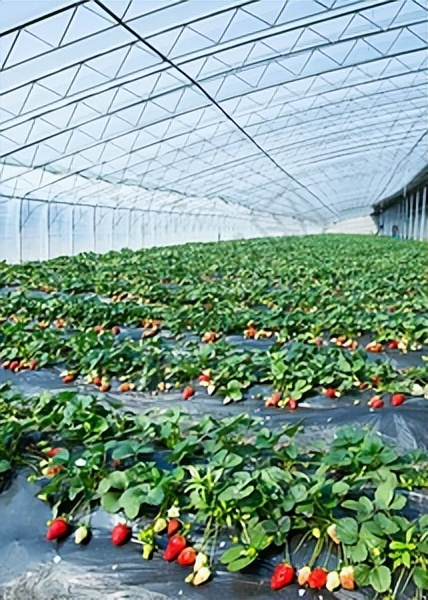
The sheds should build concrete pillars — mackerel or zinc plating. The length of the shed is 30 ~ 50 m, the width of the shed is 6 ~ 8 m, with a shoulder height of 3 m, with a height of 3. 5 m, with a concrete pillar 10 ~ 15 cm long on the side, with a length of 1 m between the columns, with an arch pole of 2 ~ 4 cm wide, which is best boiled through high temperature or impregnated with copper sulfate solutions。
The clint-plated tubing uses thermal clinker, the pole uses the 6cm diameter, the 2 mm thick tube, the arch pole uses the 1. 5cm diameter, the tube is above 1. 5 mm thick, and the large shed moves north and south; the garden is accompanied by microdrops, four-walled wind-resistant wire lines。
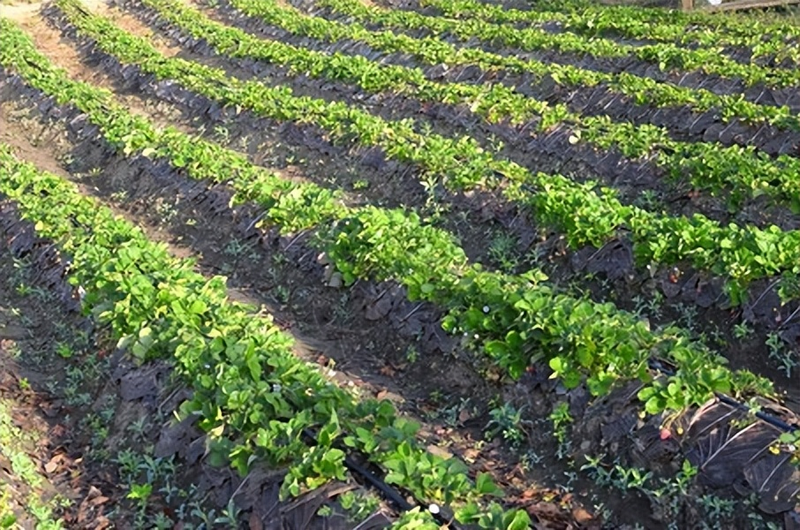
In order to facilitate the management and improvement of strawberry production and quality, strawberry plants are selected for planting with a length of 26 m, a height of 16 cm, a width of 50 cm and a width of 40 cm。
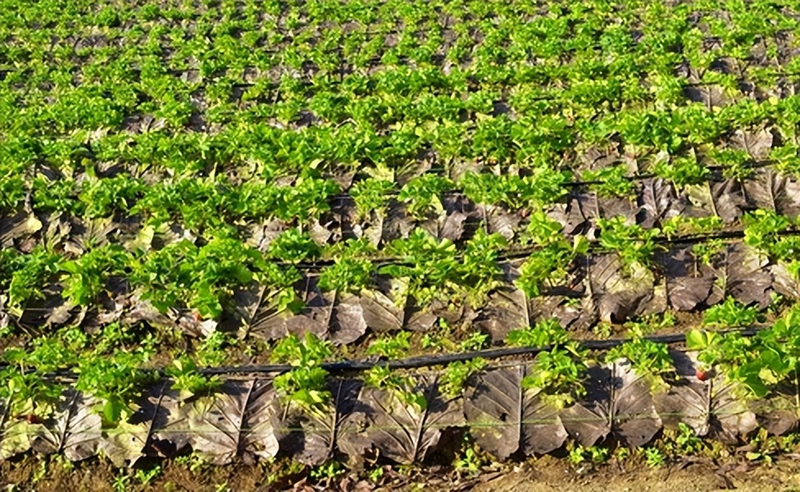
Acupuncture can maintain soil aerobics, defusing, promoting strawberry plant growth, colouring fruit, reducing the incidence of pests and diseases, making it more suitable for upholstery and membrane cover, rapidly increasing the temperature of the ground after covering the membrane, reducing air moisture and effectively reducing soil contamination and decay of strawberry fruit。
They are suitable for large-scale cultivation, but they are prone to wind and are not easy to irrigate and are therefore preferable to be planted in the sheds or to be buttoned with small arches with drip irrigation facilities。
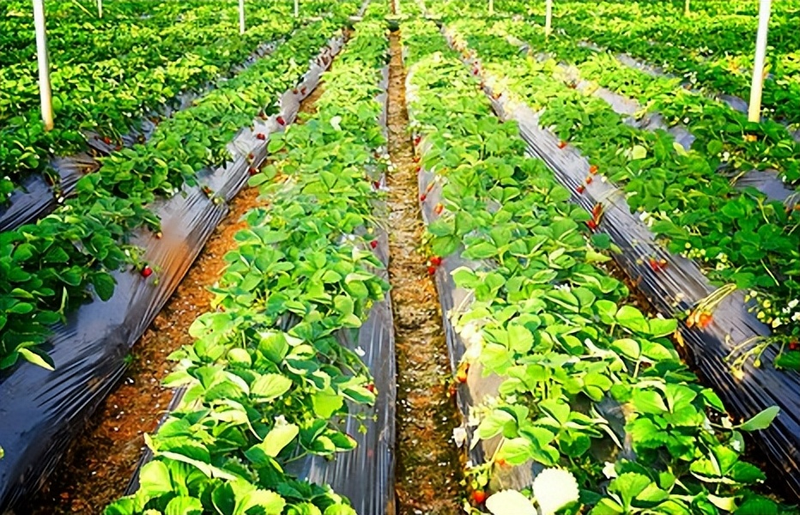
Strawberry planting is reasonably dense, with an ideal planting density of around 180,000 plants/ha, control of massive evaporation of soil moisture and small changes in soil temperature, contributing to strawberry growth and increasing strawberry production。
Vi. Advancement methodology
The choice is to have three to four leaves, with no pests, with strong buds, complete roots, and a well-developed whole seed plant. Strawberry sequences have a certain pattern of growth, growing rapidly from the bow's back direction。
The same line of strawberries would need to be arranged in the same row direction, which would facilitate production management and save time, and must lead the sapling bows in the direction of their planned growth。
Strawberries must be planted at a reasonable depth, with very short root runners, and if they are planted too deep, the heart of the strawberries will be buried in the ground, resulting in a rotten seedling; if they are planted too shallowly, the strawberries root is exposed and it is not easy to form new roots, leading to the drying of the strawberries。
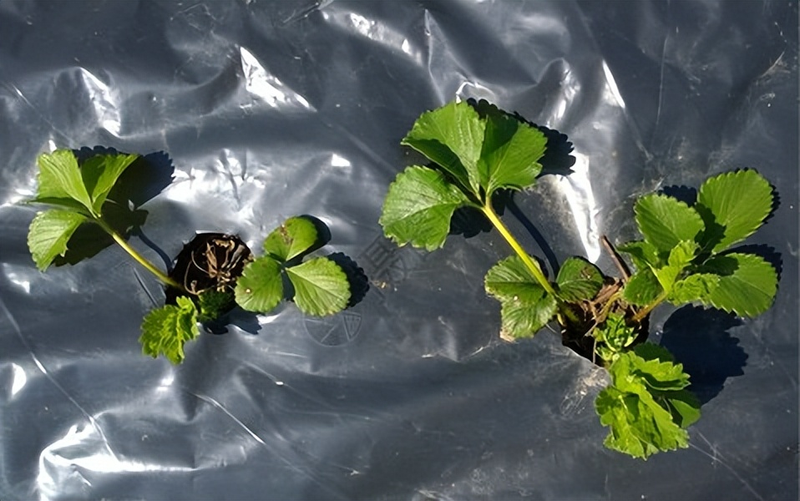
When planted, strawberries are suitable for depth, so as to be insensitive and shallow. Water should be watered in a timely manner to prepare fallen and crooked strawberry seedlings, to support them and to improve the quality of planting。
Post-planting management, soil management
Strawberries are to be covered with black membranes in time for planting; winter preparedness is to be completed. The establishment of windshields to prevent wind blowing and to create good growth conditions for the strawberry root system, while reducing soil water evaporation and increasing spring temperature。
After strawberry fruit is harvested, the soil becomes hardened and less permeable, at which point the membranes are removed in a timely manner, weeding, ploughing and fertilization, and soil improvement. Strawberry root is shallow, with a shallow depth, usually 3-4cm。
The fruit is harvested and the soil is grown before the leaves grow again. It is usually 4 cm or so at a pedestal depth, so as to avoid the immersion of twilight and leaves。
2. Fertilizing water
Strawberry requirements are high for fertilizers, with timely replenishment of nitrogen, phosphorus and potassium fertilizer. There is plenty of fat water, strawberry growth and growth, full buds, single fruit weight, sugar content, and fragrance。
During planting, organic base fat is applied to 7,500 kg of beans per hectare and 1,200 kg of high-quality compound fat. Strawberry root systems have three growth peaks in a year。
Strawberry fertilizer management is to be strengthened at the beginning of the flowering, after the strawberry fruit harvest and in october, in order to catch up with the water and promote strawberry growth。
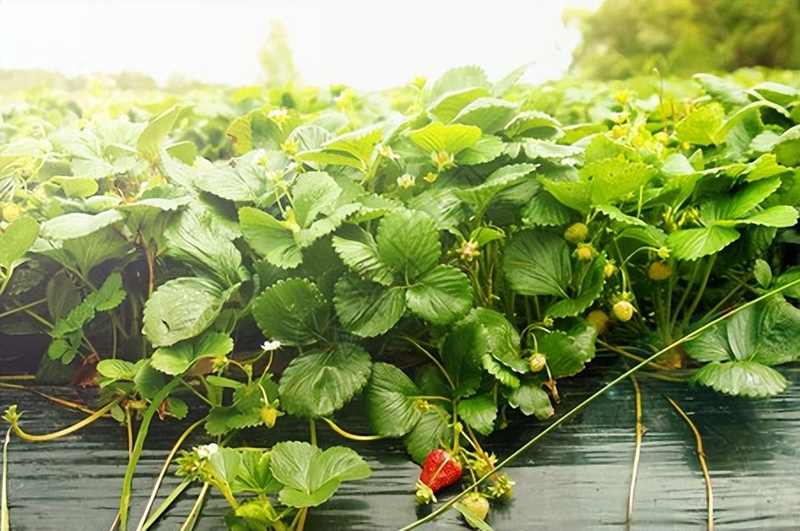
Strawberries have a high demand for moisture and should keep the soil wet on a regular basis, preferably with drip irrigation facilities. Quite a few years later, the snow was frozen, increasing the capacity of strawberry winters and promoting early spring strawberry growth in the second year。
First flower strawberries require more water and water in a timely manner. Strawberry fruit may consume large quantities of moisture during periods of expansion, when adequate water supply must be ensured。
The choice is to choose a reasonable watering time to avoid the burning of strawberries as a result of the tan. Plumbing is also done in a timely manner, and can be done by spraying, dripping and promoting pollination and reducing malformations。
3. Plantation management
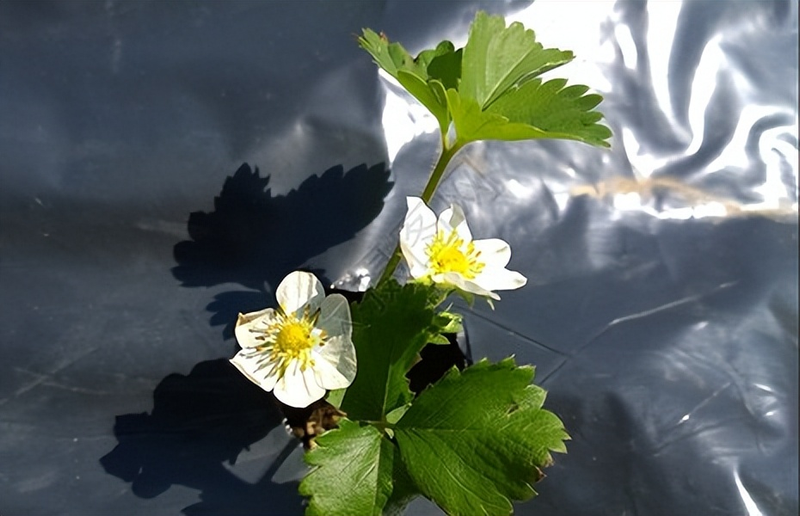
Strawberries open first with good quality, big fruit, early maturity. The quality of the fruit produced by late-opening flowers is significantly different, so it is important to remove late-opening ineffective flowers in a timely manner, reduce nutrient consumption, increase the weight of single fruit and improve strawberry quality。
Strawberry strains are relatively small, with the result that the consequences are so low that the fruit and the ground are contaminated with soil, increasing the risk of pests and reducing the quality of the fruit. As a result, the precipitous fruit can be prepared on the basis of membrane cover to ensure the quality of strawberry fruit。
Ten to 15 days after the drop, looking at the growth, the new leaf begins to pick the old leaf, the weak light, the late, the heavy, the early, the long, the long, four to five active leaves per root。
The old leaves, the dead leaves, not only affect the growth of the tubers, but they are also prone to disease, so that the cold seedlings are able to remove the old leaves, the dead leaves and the newly occurring runners in time to remove them together, so as not to affect the last root growth。
Auxiliary pollination
If strawberry pollination is poor, there are a large number of malformations, so artificially assisted pollination can also be carried out using bee-assisted pollination, usually with a box of bee-assisted pollination in every 24 hectares of land before flowering, and with a flower sprayer to increase the rate of strawberries and production of strawberries。
5. Disease control
Strawberry pests include, inter alia, red spiders, aphids, pollinosis, yellow beryllium, etc. Where underground pests occur, the application of base fertilizers should be treated with pesticides。
Red spiders can spray mites during the event. Plasma, powdery, etc. Can be protected from early-spray methyl tobuzines, dyson manganese zinc, peptol, etc。
6. Winterization management
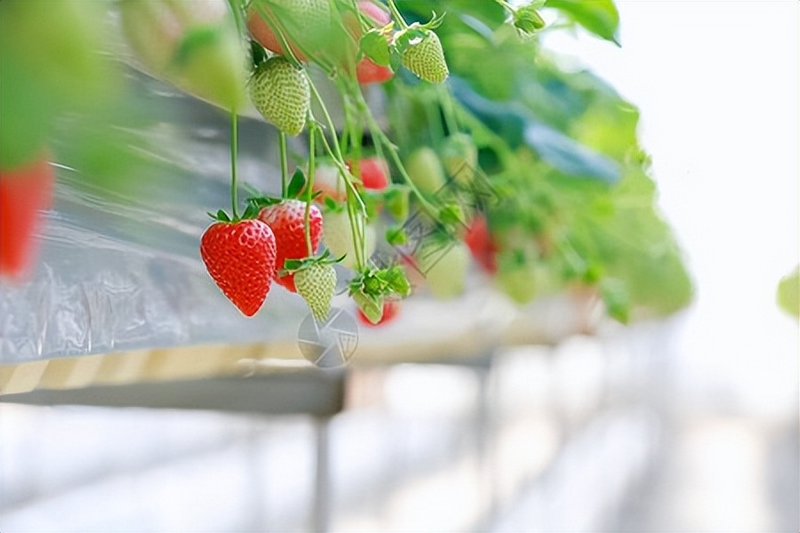
First, black membranes are covered on strawberries, so as to absorb more sunlight during the day, to raise temperatures and to prevent the temperature from falling too quickly at night; strawberries planted in large fields can be used to tie small arches based on covering the membranes, to ensure that strawberries are not frozen, and to ensure early marketing and increase the economic benefits of strawberries。
Conclusions
Strawberry is a nutritious, windy fruit, rich in vitamin c, amino acid, carrots, vitamin b1, b2, smoke acid, and mineral calcium, magnesium, phosphorus, iron, etc., which is very popular with regard to his liver, curing, cancer prevention, and the removal of heavy metal ion from his body。
With the rise of facility farming, traditional agricultural production has changed, using the huts to plant strawberries, which can be marketed early and can be used as a reward for harvesting。
Some towns, such as guyong in lok county, have been growing strawberries in large huts, scheduled in mid-september, and are ready for sale before new year's day. With the advantages of management, early outcomes, high yields, short cycles, and good economic performance, growing strawberries have gradually been accepted by a wide range of farmers, and the scale of cultivation has grown year by year。