What about the vegetables in 2022? What attention should be paid to the critical period of vegetable breeding, management and harvesting? Get a hold of these 24 knots, learn the nature of vegetable growth and catch the critical period of vegetable production
January
It's a cold and a cold
This month is the shortest-light, lowest-temperature and volatile weather in a year. This month, however, is a critical period for the breeding of the early spring hot peppers, eggplants, tomatoes, cucumbers, watermelons and melons, as well as for the management of a large amount of vegetables in winter greenhouses。
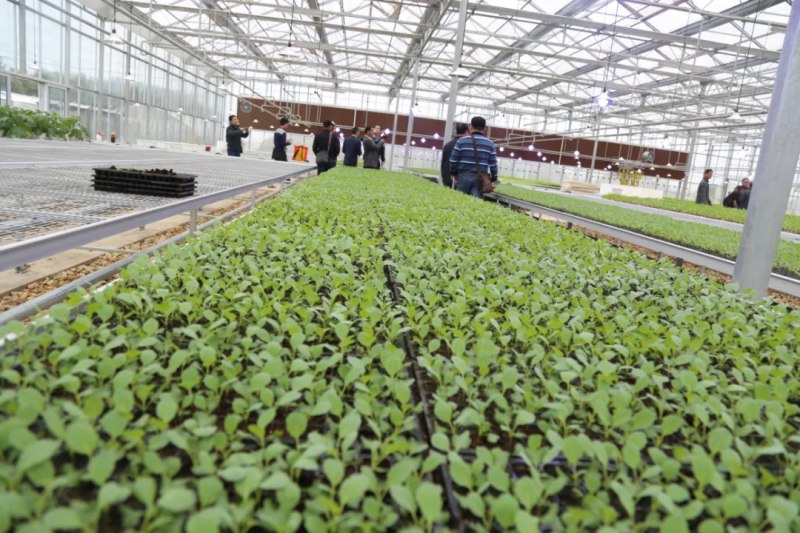
This month's vegetable farming was mainly devoted to the strict cultivation of fruit and eggplant. “small harvest”, which is the basis for high-quality production。
In the greenhouse room, multi-layered tomatoes, peppers and eggplants were grown in november-december of the previous year, at a time when they had gradually entered the nursery period. Watermelon, which is covered by many layers of the shed, is starting to breed, and should select varieties that are less hot and more light-resistant。
It is essential that our friends build up nursery facilities and transform small sheds into solar greenhouses with good light conditions and high temperature, and that they make recommendations to prepare them for heating facilities such as hotlines and fireways。
This period is a critical period for the management of vegetables throughout the winter, with regard to weather forecasting in order to prevent severe cold weather and, if necessary, to increase temperature, to rinse the sheet film and remove snow in a timely manner. This period, in principle, does not allow for heavy flooding of greenhouse vegetables, which is protected against extreme temperatures。
February
It's spring and rain
Although the temperature is still low this month, it is beginning to pick up. “one year at a time of spring, this month should be the busiest time in the management of seedlings, floors and greenhouse vegetables。
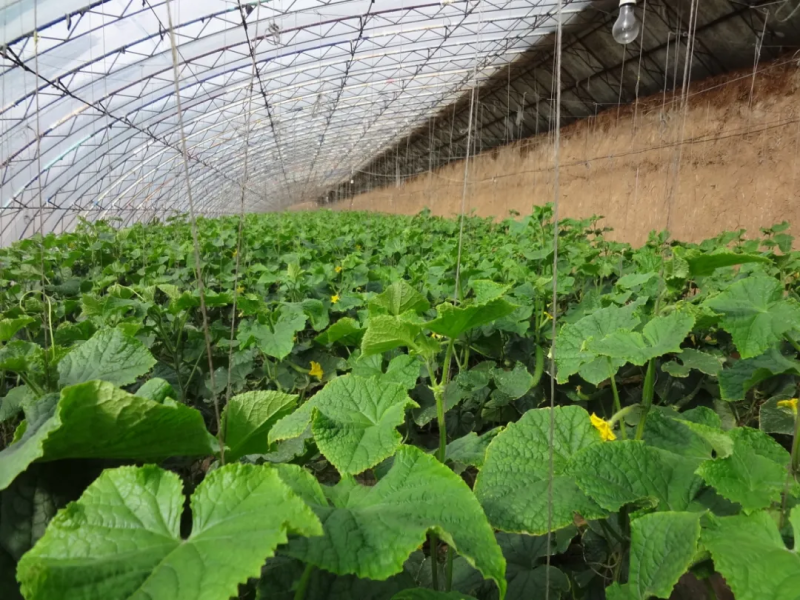
Early spring cucumbers, tomatoes, eggplants, peppers and saplings are starting to grow in the solar-temperature rooms. Early spring planting should be done in a timely manner; kale and vegetable seedlings can be planted in the shed; and peppers, tomatoes and eggplants in the spring membranes begin to grow during this period. The double-covered watermelon in the small arch shed began breeding in mid-february。
During this period, cucumbers and cucumbers with short-term coverage were held up. In late february, large sheds, mesh-covered beans and beans were broadcast live。
In late february, early spring saplings could be cultivated in greenhouses and sheds, with attention to the need for night temperature not to be lower than 13°c to prevent springing. This period can also be used to plant sprouts。
March
It's in shock and spring
As the winter approaches, the natural world regains its rightful existence and the agricultural activities of the vegetable fields become more intense. This period is the peak of the greenhouses' winter cucumber production and, although the temperature is returning, it is still abnormal, causing many inconveniences to farming activities. During this period, special attention will be paid to the phenomenon of saplings caused by “spring colds”, cold colds and high noon temperatures in nurseries。
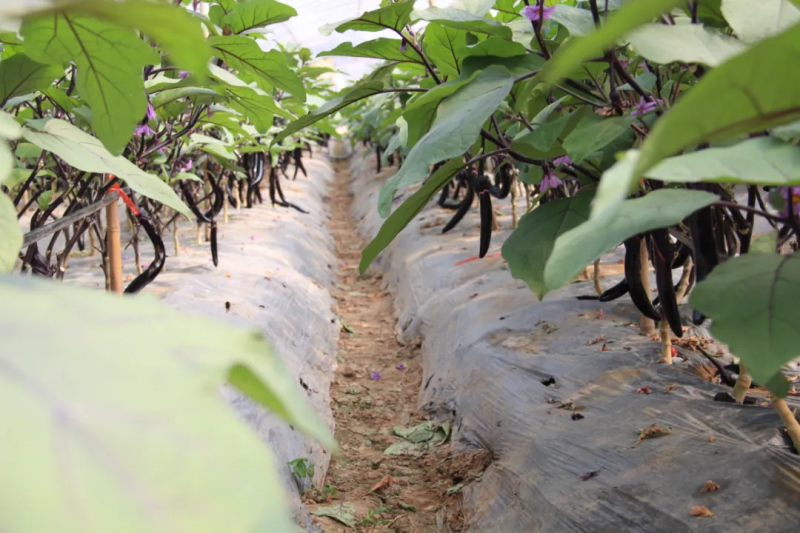
Pillow tomatoes, peppers, eggplants, cucumbers are starting to grow, while cucumbers in winter's greenhouses, seagulls, tomatoes, etc. Are being followed up, water is being poured and pest control is being strengthened, and this is a critical period for yield and efficiency。
A membrane or open spring-planted watermelon, which began to grow in small arches for about 30 days. It is important to keep in mind temperature and night and day temperature management during this period in order to foster the growth of seedlings and the separation of buds. In the springs before and after the spring, onions began to grow, as did spring pickles. The membrane cultivation has begun. We're going live with spring cabbage, carrots, carrots。
April
It's a life of clarity and rain
It's a planting season, more harvest season. The early spring cucumbers and cucumbers are on the market, and the greenhouse tomatoes and cucumbers are high-yielding times, but cucumber froste, as well as the increase in the incidence of ketchup, the principle of “preventiveness is better than cure”。
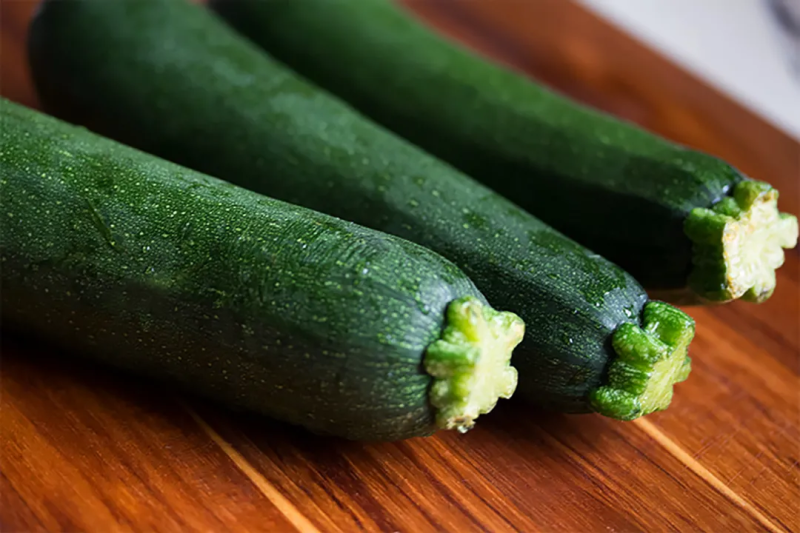
In late april, the field greens began to occur, with attention to prevention. We can continue to sow onions and pickles." before, after, after, and after, planting melons, this period began to be broadcast live in open ground and melons, while seedless melons began to grow and pre-planted melons were able to cover the membranes。
Following the rain, field transplants began to take place in most of the midwon area of the field, and the early cauldron of the small arch sheds is expected to improve ventilation to avoid the expansion of the sheds and prepare for the disclosure of the film in late april. Live coverage of the open spring cucumbers, beans and bean cover membranes。
May
It's a relief for the summer and the little man
The main agricultural activities in the field during the month were the round-the-clock run of vegetables in greenhouses, the strengthening of management of water fertilizers, the strengthening of pest and disease control of various vegetables, and the increase in the rate of food and vegetables for high productivity。
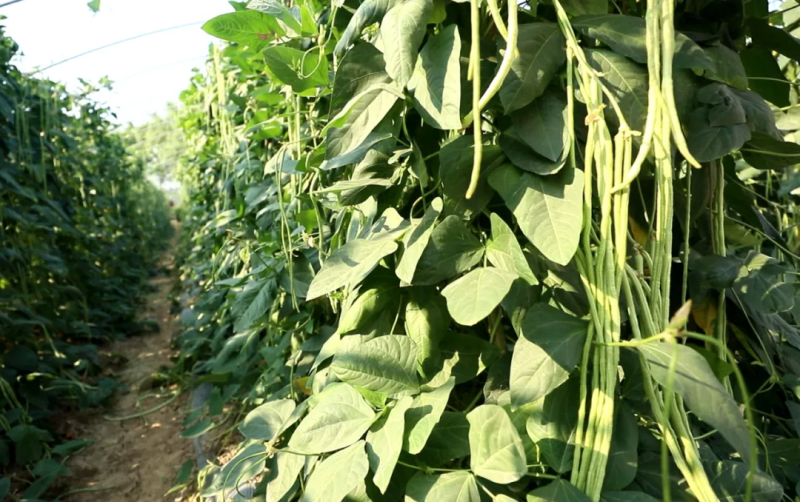
In the middle of last year, vegetables such as watermelons, peppers and eggplants, which had been planted in wheat fields, had been planted 20 to 25 days before the harvest。
It's so hot and blue and soybean. We'll plant the spasm, the cucumber. The field celery is starting to grow. The popularly known celery is a three-triple, i. E., a summer seedling, a fall planting, and a winter harvest. Pre-plant cryogenic sprouts, and within three days of the seeding, seed fields are closed to weeding with “grass ketone”, which is very effective. In the case of small seedlings, care is taken for shades, rain, disease and infirmity。
In early may, the summer tomatoes in the field began breeding, one month old, wheat was grown and 50 days later, just in time for the late tomato season in august。
June
It's the sun and the summer
June has entered the summer with an average monthly temperature of 25°c - 26°c. Most of the garbs have been quenched and should be cleaned up in order to mitigate the disease; open vegetables have entered the harvest period。
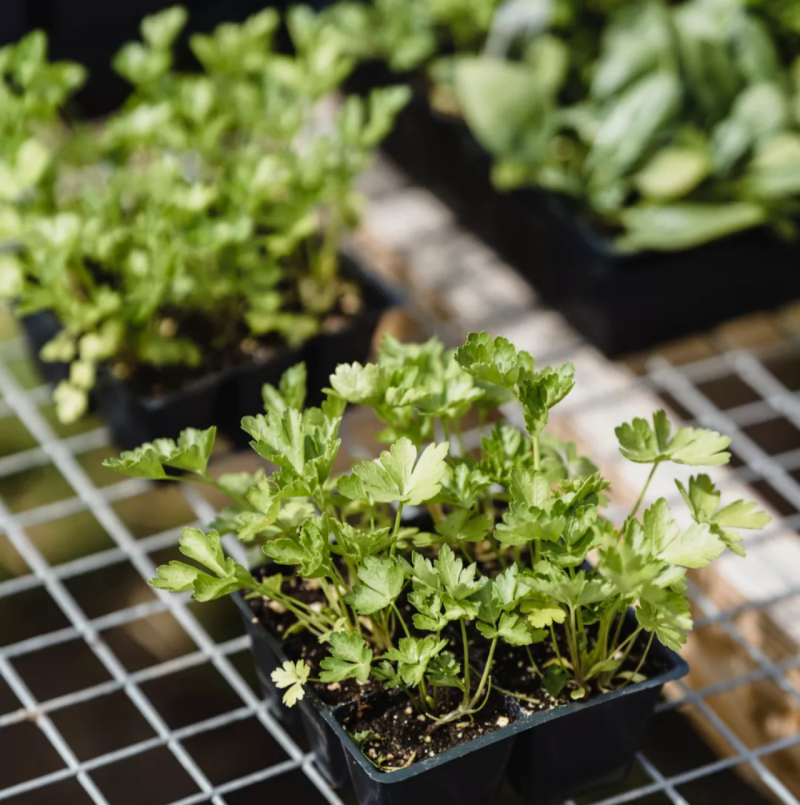
At this time, wheat harvests have been made in the central china region, and some heat-resistant and disease-resistant vegetable varieties are selected to sow in a timely fashion, and two months later they will be available to cover the autumn season of august-september。
Grab the summer cucumber. Attention is paid to the timely treatment of seedlings with ethylene or smelts during the 2-4 leaf period, in order to promote the separation of buds, early and melons and melons。
Grow a good summer cabbage, a good summer cabbage, and a good summer flower. Early-cooked vegetables were given seedlings in late june, and harvests were made before the national day and mid-autumn festival, which were generally expensive。
Celery seedlings. Celery, which is grown in the fall sheds, can be bred in mid-june, at a time of high temperatures and rainy seasons, and must be sowed with low-temperature sprouts and be careful to shade the rain。
At the end of june and the beginning of july, the critical period for post-autumn paprika breeding took place. This period needs to be sensitive to shades, rain and pests. The multi-layered ying autumn room peppers can be delayed to spring festival harvests with greater efficiency。
During the month of june, the greenhouses sheds, which can be treated as follows:
1 deep tan, fertilized soil。
Two arch racks are covered with sunnets and are ventilated with shrouds, and heat-resistant spinach and spices are grown。
Three onions or maize were planted to improve the soil, and care was taken during this period to prevent and treat the fields with a leech. After the harvest of the former crop, it is possible to roll over 30 cm or more deep, and to rise up to 30 cm high, pour water up to flat, then cover the membrane, hold the shack at 40 °c and stay at 10 to 20 days, with a clear end to the nematode。
July
It's summer and summer
The month of july is a volatile weather, with drought and flooding. This period is a critical period for seedlings of ground vegetable flowers, kale and acreage tomatoes, peppers and eggplants. The introduction of fully protected seedlings is a necessary condition for success, i. E. The use of film protection against rain, the shade of sunnets, and the prevention of disease。
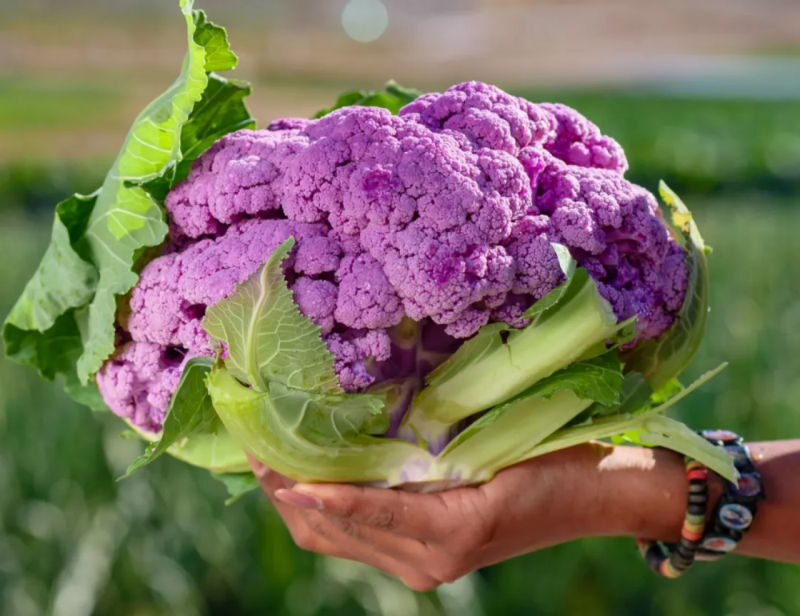
The planting of hot cabbage was phased in early july and harvest periods were scheduled around the national day, mid-autumn and mid-autumn festivals, which were generally high. Attention is paid to the prevention of viral diseases, aphids, larvae, etc., starting with the nursery age。
(c) continue with the production of late and late paprika seedlings: at the end of june to 20 july, the nursery period for late and late paprikas was duly delayed. In the fall-lated studios, tomatoes were usually grown early in july, planted 3,000 acres in mid-august and collected between mid-october and mid-december. In the last two years, there has been a serious case of the tomato acupuncture (ty) virus, which, if it occurs, tends to result in a significant reduction of production and even a loss of harvest. The best way to do so is to start prevention work from the nursery stage, with “all-protective” measures such as sunnets, shroud membranes and wormnets, and to protect against fume lice。
August
It's the autumn and the summer
The month of august was still hot and heavy, and production should hide from the high temperatures and humidity of the previous period, catching up with the late harvest and making the autumn seeds. In early august, cucumbers were seeded in late autumn, treating seedlings with ethylene or smeltling to promote guacamole. Early autumn cabbage can still be planted in early august and the morning market can be looted. The best season for winter-storage cabbage is in mid-august。
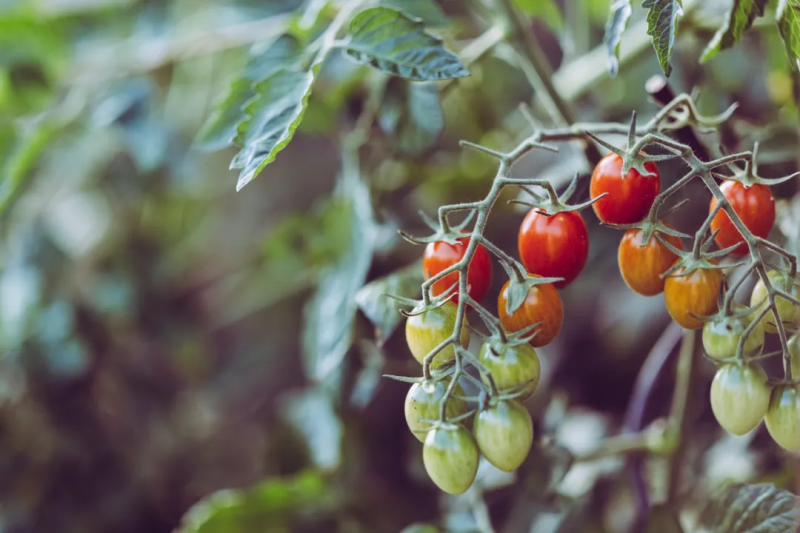
The best breeding period for a large sample of tomatoes in the greenhouse is in mid-august, with a baby age of about one month, and can be picked up until spring break in june of the following year. It is still necessary to prevent the disease, especially the ty virus, and to nurture the seedlings. Order celery. Celery will be ready for planting after the fall, and sheds and greenhouses may be delayed until late august or early september。
September
The aura is white and autumn
Take advantage of the timing, manage the field's autumn, catch up with the winter and protect the vegetable breeding. Grow onions, big onions. Onion seedlings are raised in the south before and after the “earth” and can be delayed in the south until late september; onions are grown before and after the fall. In the winter, a large amount of cucumbers were brought up。
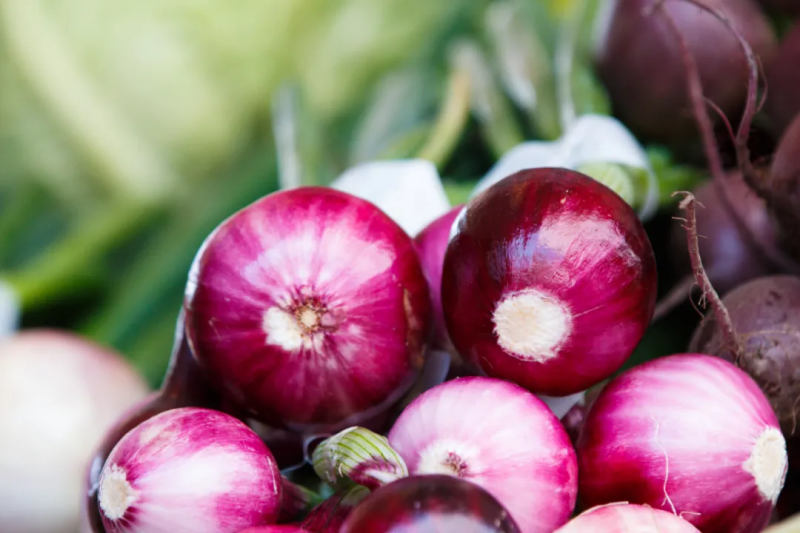
The period of marriage is 20 september to 15 october and does not allow for early childbearing. During this period, tomatoes, peppers and eggplants can continue to grow in the greenhouses over the winter, and they are 40 to 45 days old and are planted in the greenhouses in mid-october in 5 to 6 leaves. In the autumn sheds, white lice on vegetables such as tomatoes, peppers, etc., are treated with “sweet + aphids”。
October
Temperatures come down with cold and frost
In mid-october, a large swarm of sun-sperm greenhouses began breeding for 15 to 20 days. A large swab in winter is also a very efficient way of growing, like a cucumber, with about 30 cucumbers。
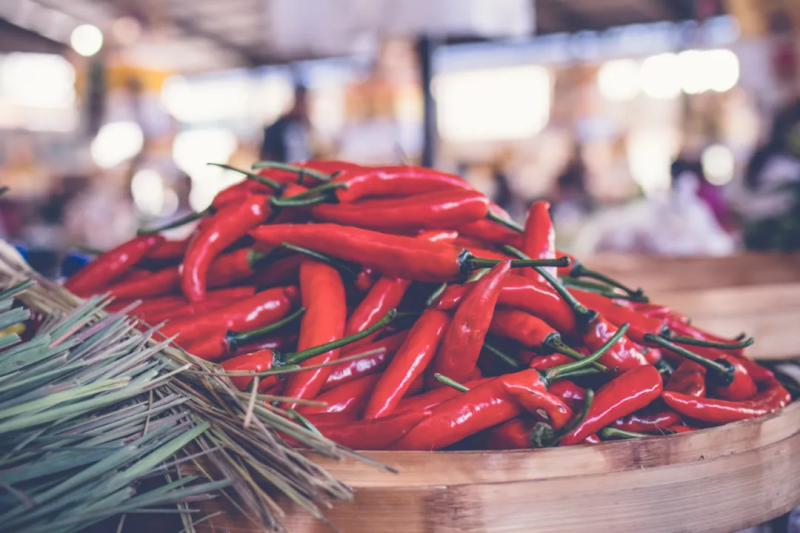
The project is aimed at raising awareness of the importance of solar energy in order to ensure that the water is used to produce seedlings of fruit and vegetables。
Attention to fumigation: 45 per cent of white smoker per acre, 1 kg per cent per cent per cent, and seal the fumigation one or three days, after the wind, a large plant of vegetable seedlings, such as tomatoes, eggplants, peppers and cucumbers, must be fully fertilized and density appropriate. The completion of planting by 10 october was best achieved because of the lower temperature and the long duration of planting, which affected the healthy growth of seedlings and had a greater impact on yields。
This period is a critical period for the expansion of the stock of tomatoes, pepper fruit and tomatoes and peppers to peak in time for the expansion of the crop. Tomatoes were left with three or four pecks of flat tops in the early part of october; the flowers after mid-october were removed and taken from their hearts, empty branches were removed, inefficient nutrient consumption was reduced and commodity fruit formation was promoted。
November
It's about winter and snow
In the case of semi-cool-resistant vegetables, where warmer vegetables are grown in the open, the timing should be seized and pre-harvested managed; in the case of cold-resistant vegetables, which can still be replanted if they are not sufficient in size; and in the case of greenhouses, planting should be done in a timely manner to enhance the protection against cold。
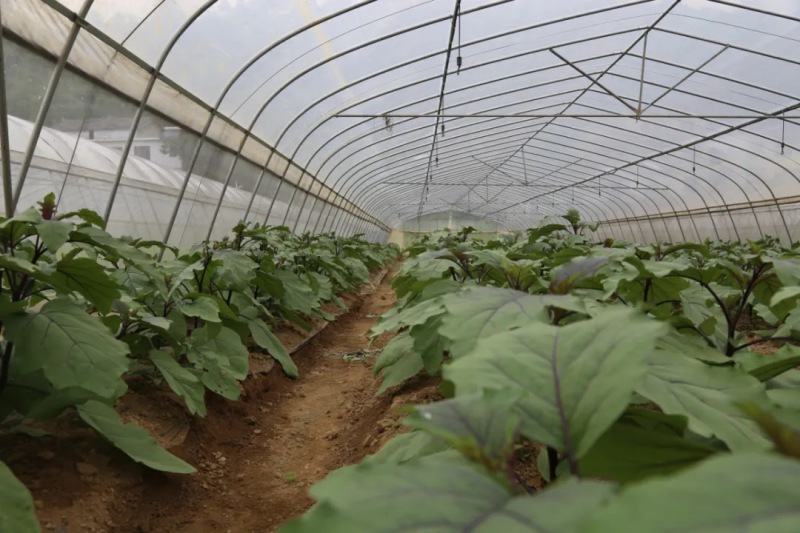
To do the cleaning of open and warm vegetables such as tomatoes, cucumbers, peppers, eggplants, potatoes, etc. In early november, the membrane covered vegetable seedlings and onions planted for winter cultivation。
(b) strangling the celery, which was planted in the sheds after the fall, after the tomatoes and cucumbers were put in place and harvested in the middle of march. They then plant cucumbers, peppers, etc., without prejudice to the production of fruit-scaved vegetables by the owner of the shed. A collection of carrots, cabbage, onions, radish in mid-november, cabbage and onions in late november。
In the sunan region, winter cabbage is grown over the open winter, so as to protect the cold under harsh winter conditions. The cold-proofing of a large volume of vegetables in the winter greenhouses is being strengthened, and hot peppers in large huts need to be filled with diaphragms or grass in time. In october, we could continue to grow in greenhouses when we could not afford cold beds. Lycan seedlings and celery planted in the autumn must be harvested before and after winter to prevent freezing。
December
It's snow and winter
The outside world has entered the cold winter, but the greenhouses are in the air. Work in december was concentrated in greenhouses and nurseries. - cultivation of seedlings of eggplant and fruit grown in the early spring. In early december, greenhouses, hotbeds, tomatoes, eggplants, pepper seedlings, 90 to 100 days old, were planted in the large and middle arch sheds at the time of the appearance of the grand rey in mid-march。
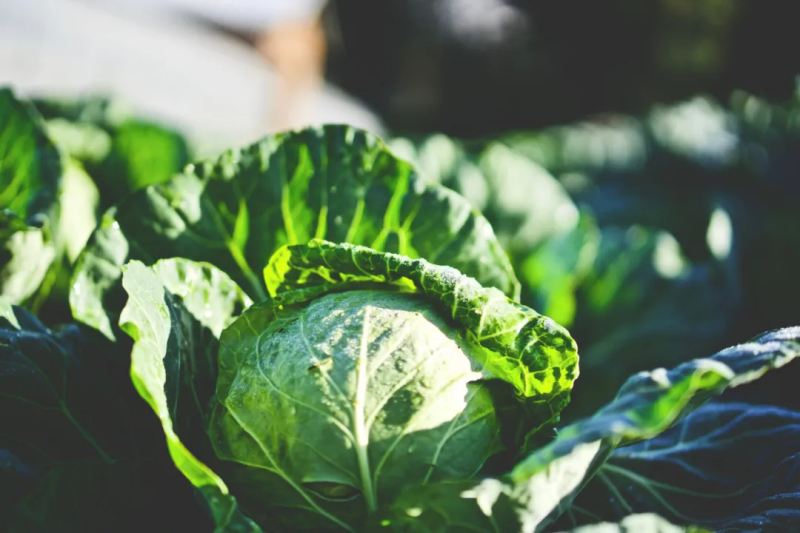
Early ripe kale and vegetable seedlings were planted in the arch shed or in the sun in late december. The protected areas are delayed by sacrilegia and paprika, which are delayed by autumn, to enhance the prevention of cold fever and to prevent disease; and the storage of green fruit for the tomato harvest, which supplies the new year's market and pre-harvest spraying of fungicides。