Spring farming is the beginning of agricultural production throughout the year and is a prerequisite for high and steady food production. Rice production in our city is now entering a period of intense spring tillage. In order to effectively foster growth and promote a smooth start in rice production, it is recommended that a large number of farmers plan their efforts in science to build a solid foundation for high-yield production of rice。
I. Points for rice preparation
1. Varieties selection and seed treatment. In selecting rice varieties, the growers select certified varieties with a fertility period of around 155-160 days, resistance, abundance and robustness, based on weather conditions in our city, soil fertility conditions in different plots and pests。
The pre-plant processing of seeds cannot be ignored. Preplant seeding should be preceded by a seeding test to accurately calculate the seeding rate, which should determine the seeding volume and ensure that there is sufficient seedling after seeding. Promoting proper seeding, increasing seed enzyme activity, promoting seed growth, and increasing gerontology and gerontology can also play a certain role in preventing disease and pests. It is recommended that seeding be done in a leachate manner, with suitable impregnated formulations and sufficient impregnation time, in order to fully utilize the leachate as a seed disinfection. In the case of lower temperatures, the duration of the leaching needs to be extended appropriately。
Early detachments to raise the temperature. In order to set aside sufficient heating and thawing time, the shacks should begin work as soon as possible to increase the temperature of the shacks, especially in the earlier towns and villages. Promulgation of access to march will take place in shacks, choosing wind-free skies, tightening and levelling the shampoo around the ground and ensuring good sealing。
3. Earthwork. Slender beds need to meet the criteria of distillation, with no visible roots and large blocks of earth, and should be flattened after repression, ensuring that the pallet is closely bound to the bed and that there are no gaps. Otherwise, there may be bad seedlings, which in turn may affect plugging operations. The intensification of the field should be consistent, with depths above 15 centimetres, so that the soil may be broken and flattened, thereby increasing the mass and efficiency of the plugs. It is proposed to introduce a rolling combination of two to four years in depth and to create good cropping structures in conjunction with the application of organic fertilizers. Finely fined soil structure can be effectively improved, soil fertility can be enhanced and a suitable soil environment created for rice growth. It is therefore imperative that growers give high priority to the quality of their ground operations。
4. Other agricultural readiness. Early preparation of seedlings will be required to provide a nutritional base for nurturing. Collapse the dishes and remove the old and badly damaged plates. Maintenance of machinery, such as seeding, embroidery, ground cleaning, etc., has been modified to provide equipment for smooth and efficient spring farming。
Rice seedling and management
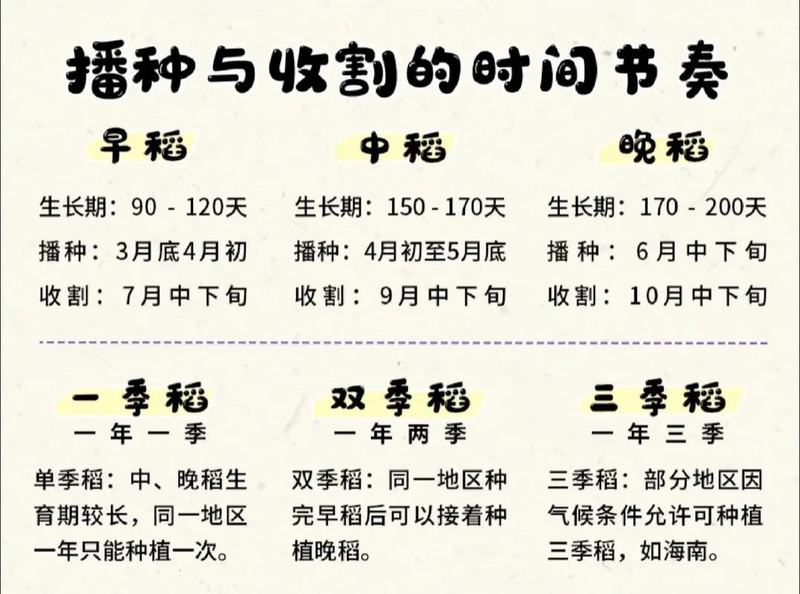
Time of seeding. Based on weather forecasts and long-term agricultural experience, the probability of a spring-down is relatively high. It is therefore necessary to follow closely our city's recent weather forecasts and catch cold tails for early seeding in order to reduce the adverse effects of cold temperatures。
Seeding. The seed volume is determined on the basis of the thousands of grains of rice, ensuring that there are approximately 4,000 seeds per disc. Infrequent seedlings result in seedage shortages when plugs are planted, while too many seedlings are not conducive to the growth of the plant and have a negative impact on the growth of the plant. Land cover is 0. 5-0. 7 cm thick and seed cover is not exposed。
3. Shrimp management. Following seeding, attention is paid to managing temperature and humidity in the shed to avoid excessive temperatures and heavy humidity. The principles of watering are to be dry, wet, wet, dry and strong. In order to prevent and treat pests and grasses, before embroidery, seedlings are removed from the field with fatty and medicine to promote the early and rapid growth of seedlings, on the one hand, to cope with adverse weather conditions such as low temperatures and, on the other, to increase production。
4. Cold-temperature prevention. In the event of cold or continuous rain weather during seedlings, sheds should be opened as early as possible before the sun rises, in order to prevent excessive temperature rises and evaporation, resulting in inadequate water supply and drying of seedlings, due to strong daylight. If seedlings happen to be between 1. 5 and 2 leaves during a cold period, particular vigilance should be exercised with regard to the occurrence of detached diseases. The day before the onset of low temperatures, the bed must be filled with sufficient water, so that, once the water is fully seep, the agent can be administered, and some amino acids or corroded acids can be sprayed with hydroxyl mothacin or ablution to help raise the resistance of the seedlings。
Centre for the development of modern agriculture, tu jin city
12 march 2025