A corporate enterprise is an economic organization composed of natural or legal persons and capable of enjoying civil rights and liability independently for the property they operate. The emergence of corporateism is an advanced stage in enterprise system development and an objective requirement for productivity development。
The features are as follows:
(1) the company is an enterprise, which is its most fundamental nature. A company is a fundamental form of an enterprise system and the most typical and effective form。
(2) a corporation is a legal person that enjoys civil rights and assumes civil obligations independently of the law. As a legal person, a company must have three basic characteristics: it must be established in accordance with the procedure established by law and regulations and subject to approval by the approving authority; it must have certain assets at its disposal and management; and it must have its own name, organization and place of activity。
(3) the company is joint in nature, as demonstrated by:
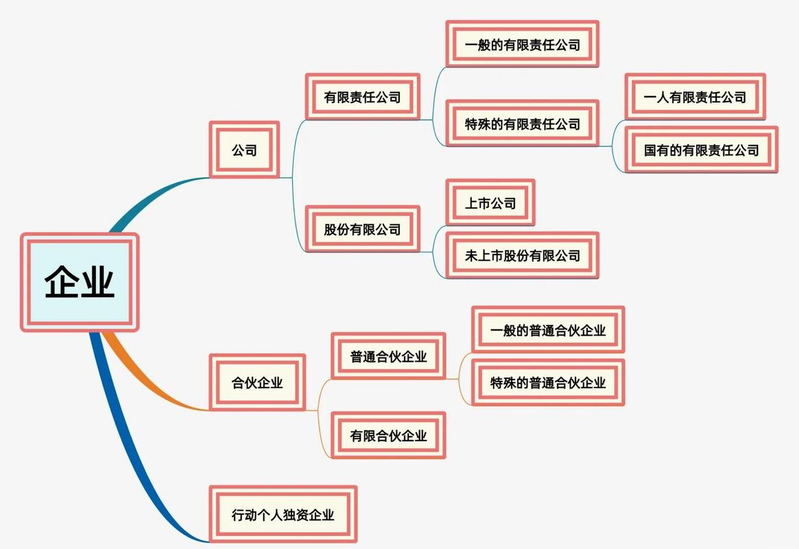
The first is a combination of people, with countries having minimum requirements for the number of shareholders in various types of companies
The second is the combination of capital, whereby each shareholder must contribute。
(4) the diversification of the investment portfolio is determined by the joint nature of the company. The large number of shareholders in the company, with capital coming from a variety of sources, including state, corporate, individual, etc., necessitates diversification of the investment portfolio。
(5) separation of the ownership rights of the financier and the property rights of legal persons。
The company's property can only function as a whole, and neither one of the financiers can independently dispose of the company's property nor of the portion of the property he or she finances. At the same time, the financiers have no right to intervene directly in the management of the company, which is carried out by specialized entrepreneurs。
(6) corporate corporate property is integral, stable and continuous。
1 integral: means that once a shareholder invests capital in a company, its property is created and used as the company's property as a whole, and no shareholder can divide the company's property。
2 stability: means that shareholders who invest their capital in the company are not able to take it back and can only transfer it, and that the property of the company is not subject to constant fluctuations due to changes in shareholders。

3 continuity: means that the life of the individual shareholders does not affect the life of the company, that as long as the company exists, the legal person of the company will not lose its property rights and that changes in shareholders will not affect the continuous exercise of the property rights of the legal person。
(7) companies have a limited liability regime. Limited liability has two dimensions:
First, for shareholders, limited liability for the company's debt, limited to the contribution of shareholders
Second, in the case of corporate legal persons, limited liability for corporate debt is assumed to the extent of their total legal property。