The north-east rice shed is now almost complete, and the planting of seedlings will be fully operational. Since march, much of the north-east region has experienced slightly higher temperatures than usual, and soil conditions have generally been better, although the spring temperature has fluctuated considerably. Weather predictions suggest that the overall temperature in april is higher or more flat than usual, with less precipitation, and that it contributes to rice breeding. In response to the spring weather and production characteristics of this year's north-east region, it was recommended that all areas “premature breeding, selected pest control and sorting” should be put in place in order to complete seeding by 25 april and plugging by 25 may, laying the foundation for a large area of single production of rice in the north-east。
(i) precise earthly towers for bed
Promotion of the method of collecting land in honda on an annual basis and the preparation of seedbeds in conjunction with snow sheds. In times of agricultural stress, where appropriate, frozen soil (the theft of the black soil of cultivated land is strictly prohibited) is concentrated in sheds to increase the temperature of the frozen dryer. The formulation of the soil ensures ph and recommends the use of a matrix. Honda uses high-level seedbeds above 20 cm above the ground, so as to level the soil and ensure that the standards of dry nursery beds are met. The wetness of the bed over the big seedlings strengthens the ventilation and humidity, with wet beds, sprouts, “triple membranes” covering the nursery to ensure that the nursery is not lost during farming。
(ii) selection of safe mature varieties
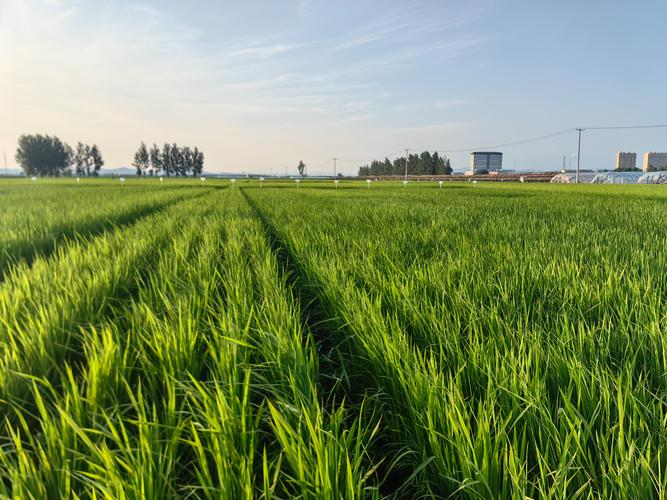
The selection of varieties of rice that are cold-resistant, resistant to pestilence, inverted and suitable for maturity periods, the selection of validated varieties in strict compliance with temperature, the avoidance of blind selection of lately refined high-yielding species, and the strict prohibition of cross-border cultivation. Prior to planting, seed selection, seed sprouts testing, seed disinfection, clothing dressing, leaching, etc. Ensure a gerontization rate of over 90 per cent. The plant owner with a large area should be scheduled to grow 30 to 35 days in advance, in order to ensure that seedlings are grown within a suitable time frame。
(iii) temperature water to grow strong
The sheds are planted to the seeding season, which are mainly for sealed temperature protection, at a maximum temperature of 25°c-28°c, and when high temperatures above 35°c are encountered, they are properly ventilated. The first leaves are long-term in that the temperature is controlled below 28°c, with a maximum temperature of 22°c - 25°c; the second leaves, with the maximum temperature remaining at 22°c - 25°c to avoid early decay; the third leaves, with the maximum temperature remaining at 20°c - 22°c; and the third leaves, with a later control at 20°c, with a gradual shift to the lid of the day, with a minimum temperature exceeding 7°c to be ventilated by night. Water management of seedbeds must be dry and free of water, ensuring that strong seedlings are nurtured. During the seeding period, the bottom water is filled with bottom water, the bed is wet enough to dry the bed, and water is properly replenished in the dry areas; during the first leaf, in principle, is less watered or not watered, the bed is kept in a dry state, and water is properly replenished in the dry areas to promote the growth of the roots; after the second leaf, when the tip of the leaf does not throw up water, when the new leaf rolls at noon, when the bed surface is white, the water is refilled in the morning or at night。
(iv) disease control and weeding “three belts” to fields
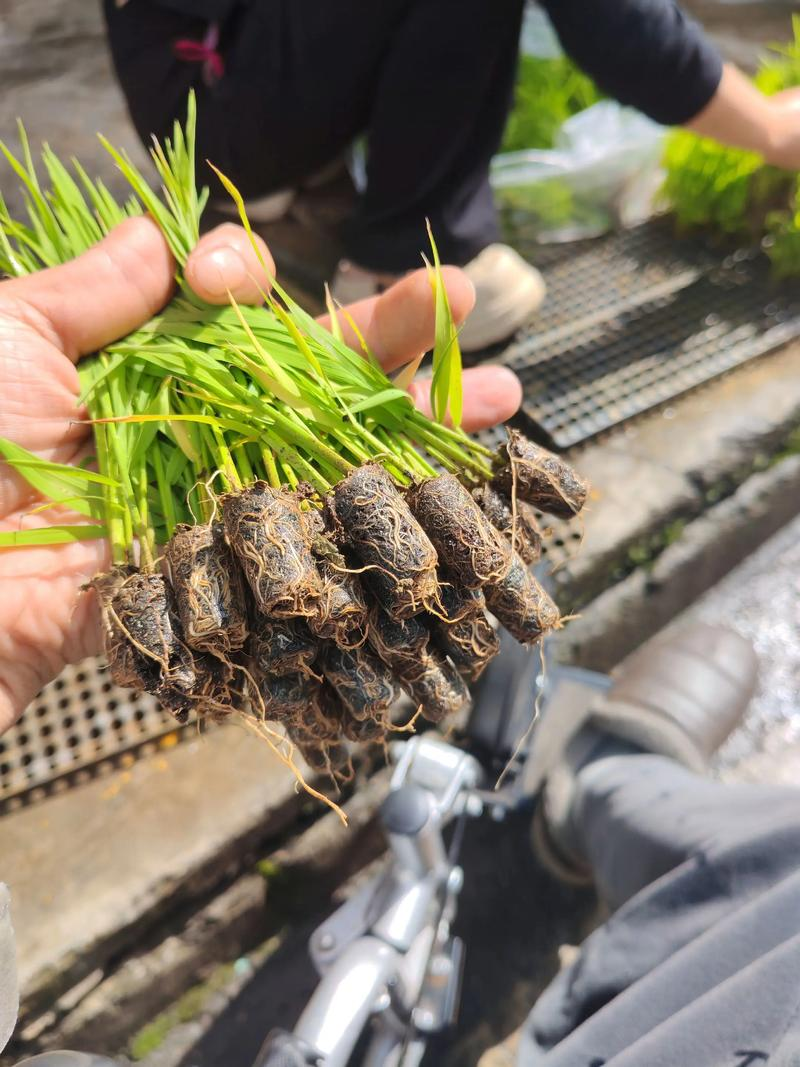
Reinforce the prevention and control of disease in the shrimp by spraying acidic water at ph 4. 5 at 1 am and 2 am, respectively, or by spraying microbicides such as fungicides such as fungus, based on acidic water spray at the beginning of the disease. Herbicides such as dichlorfluorine or cyanofluorocarbons were selected for herbicides in the 1-2 leaf range. 1% ammonium sulphate aqueous solution to prevent decomposition and 1-2 post-spray saplings, as appropriate. The application of diammonium phosphate, aphids, biobacterizers, etc. A day before the plug is used to prevent leaf flies and to promote the rapid return of seedlings to green growth。
(v) disaggregated and timely planting
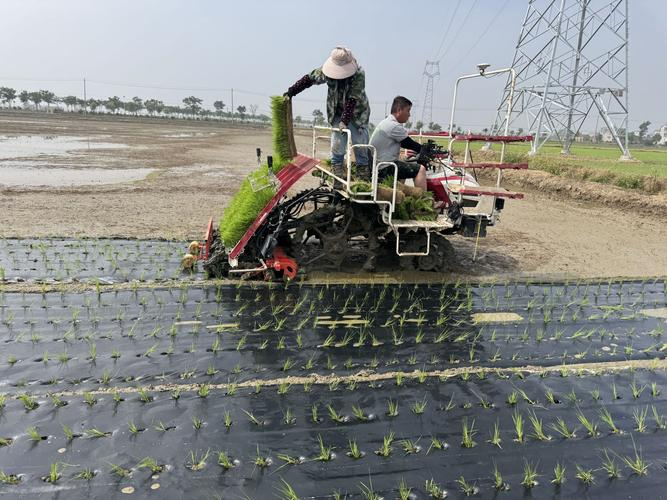
(b) unrecovered plots of fall straw: when the soil is frozen, the straw is first crushed to return to the field; when more than 15 centimetres are frozen, dry-swing return operations are carried out. 7 to 10 days of fertilisation, followed by one to three cm of flower water. It was 2-3 days, then 2-3 times a slurry flat, sprayed herbicide and deposited for 3-5 days. (c) land blocks strewn above 25 cm: to clear the surface straw at an early stage, to “water-to-water” bubble fields 7 to 10 days after application of fertilizers, to work twice after 5 to 7 days in light water slurry fields, and to settle for 3-5 days. Rendering of plots to the straw: e. G., when the hardness of the block is high, thawing of 10-15 cm of base fertilizer to the soil and subsequent tilling. If the valves are less hard, the first 7 to 10 days of direct injection at the height of 2/3 of the water bubble field 2-3 days, 2-3 times of shallow water slurry flattening with a slurry flat machine, spraying herbicides and sedimenting for 3-5 days. Land blocks that are not dry: tillage is done when the soil is unfrozen by more than 18 cm. During the first 7 to 10 days of the plug, the plant was fertilized with fertilizers for 2 to 3 days and then slurryed to the ground and deposited for 3 to 5 days. When daejeon is ready for insertion, it is timely, depending on weather and seedling growth。
Source: ministry of agriculture and rural development, rice specialist steering group, national agricultural technology extension service