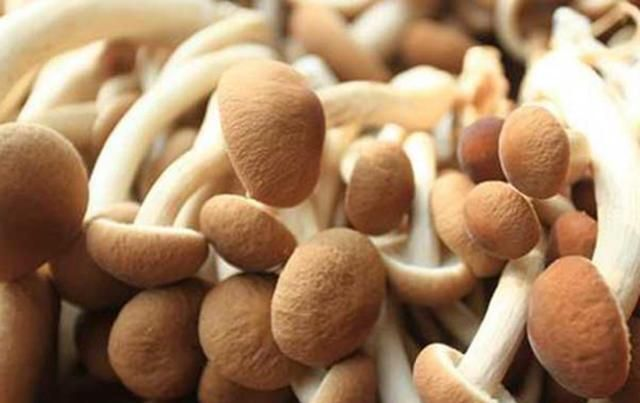
Hello, today we are talking about preparations for the planting of a tea mushroom bag to find out how to select materials and varieties, when they are suitable for cultivation, and how to handle them and the sites。
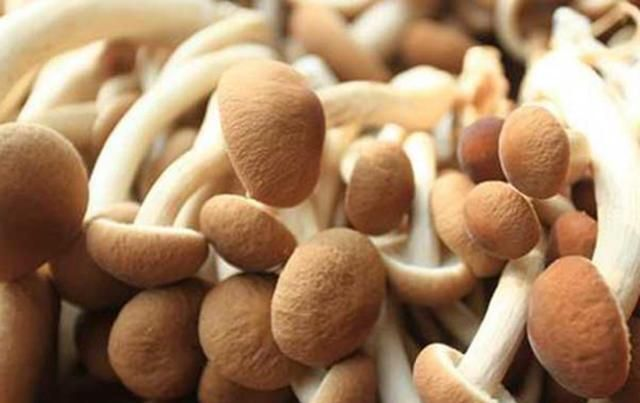
I. Localization should address planting materials, planting time and varieties
(i) local extraction of materials
The country has abundant resources for the cultivation of tea mushrooms, and different materials and scientific formulations can be selected by reference to the formulation of different breeds. The country is rich in rural and mountainous wood, with options for the formulation of wood crumbs as the main source, and makes full use of branches, corners and sawn wood to reduce the consumption of wood resources. Tea, sauna areas can be used to trim and upgrade tea and sauna poles. Crumbs of broken sticks are good ingredients for the cultivation of tea mushrooms。
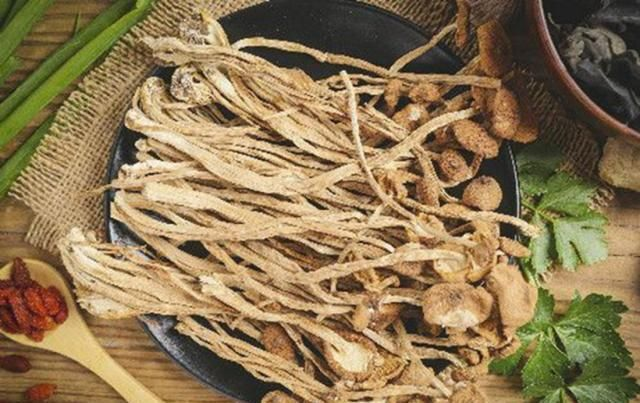
There is a shortage of wood in plain areas and towns, but transportation is easy, there is a high demand for food baskets, mushrooms are marketed, and economic benefits are greater, with cotton seedshells and other crop straws being grown as substitutes for the main material. Cotton-producing areas, in particular, can take advantage of the abundance of cotton hulls, cotton rods and the use of cotton hulls and cotton troughs for planting materials. Corn-producing areas, maize cores, maize flour and maize straw are important raw materials for the production of tea mushrooms. The sorghum and soybean regions also make full use of sorghum and soybean straw, sorghum shells and soybean powder to grow tea mushrooms. Rice, wheat-producing areas can take advantage of the inexhaustible and inexhaustible use of rice straw as a breeding material。
In addition, there is a considerable amount of material in our brewing industry. The planting of tea mushrooms with these tremors would not only improve economic but also enhance ecological and social efficiency。
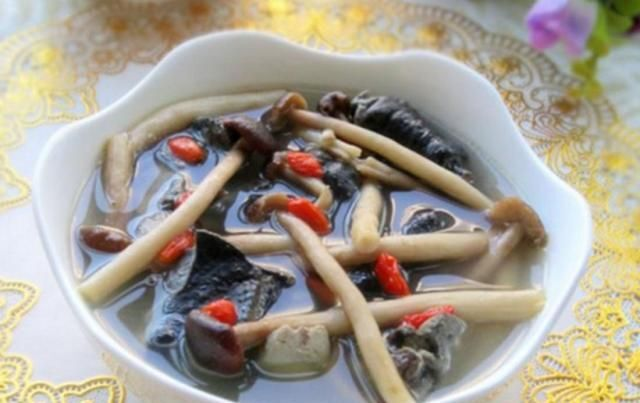
(ii) reasonable determination of planting time
The planting of tea mushrooms should be rationalized according to the best environmental conditions required for the growth of its fungus and the physical development of its children. Most of the country is temperate and subtropical, with warm and abundant rainfall. Under natural climatic conditions, tea mushrooms can be grown during the spring and autumn seasons, and their anniversary can be produced in the southern coastal areas。
Features。
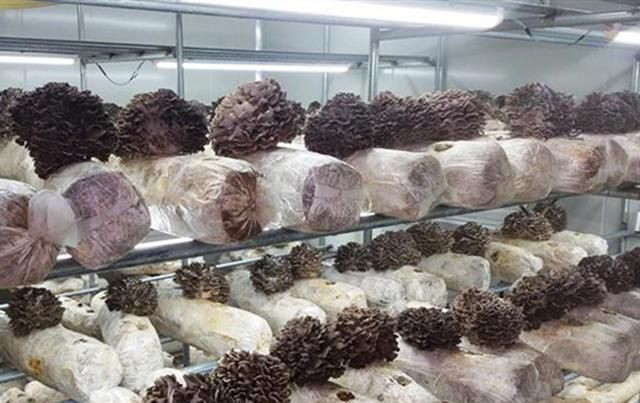
Its fungus grow at a temperature of 22°c ~ 27°c, and when the temperature is below 14°c, the fungus grow slowly, grow long and become aging; above 28°c, the fungus grow too fast, but it is weak and perishable. Its sub-entity growth is most suitable for temperatures of 16°c ~ 24°c, which do not appear easily at below 15°c; at above 28°c the sub-entity is thin and light; and at over 30°c the sub-entity is difficult to occur and affects product quality。
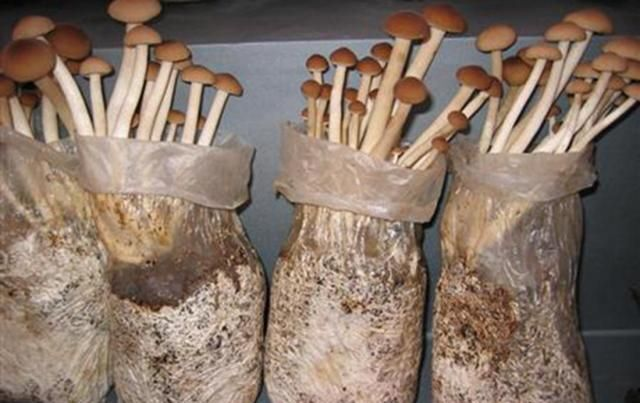
Substitutes grow tea mushrooms, which take 50 to 60 days to grow myceloids; then they are transferred to mushrooms, and it takes 50 to 60 days in the long term. Therefore, when time is allocated locally, two aspects should be considered: taking into account both the best temperature and the inexhaustible range during filament breeding, and the best temperature and inexhaustible range during mushroom periods. High temperatures should be avoided in order to avoid bacterial contamination due to high temperatures and humidity. On the basis of practical experience, tea mushrooms are produced using white temperature conditions, with the following breakdown of planting time: in the provinces south of the yangtze, the spring should grow myceloids from the end of february to the beginning of april, and mushrooms from mid-april to mid-june: the fall should grow mycorchies from the end of august to the end of september, and mushrooms from the beginning of october to the end of november。
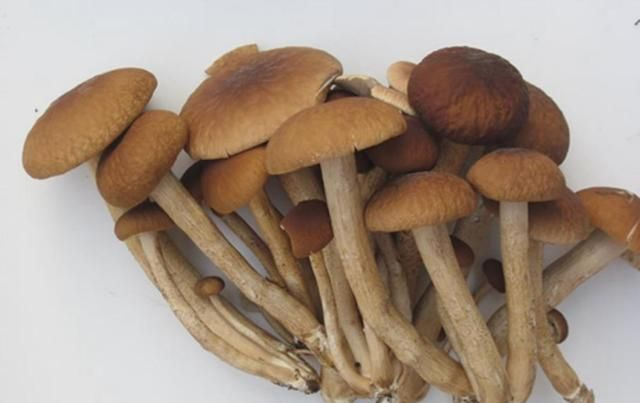
In the northern part of the country, which is based on the central temperature of hebei province, the fungus filaments should be cultivated from mid-march to the end of april in the spring, mushrooms from early may to mid-june, and fungus filaments from early july to mid-august and mushrooms from late august to mid-october in the autumn。
In the south-west, which is based on the climate in the central sichuan province, the fungus should be cultivated in the spring from the beginning of april to mid-may, and the mushrooms from the end of may to the end of june; the fungus should be cultivated from the beginning of september to the beginning of october and the mushrooms from mid-october to the end of november。
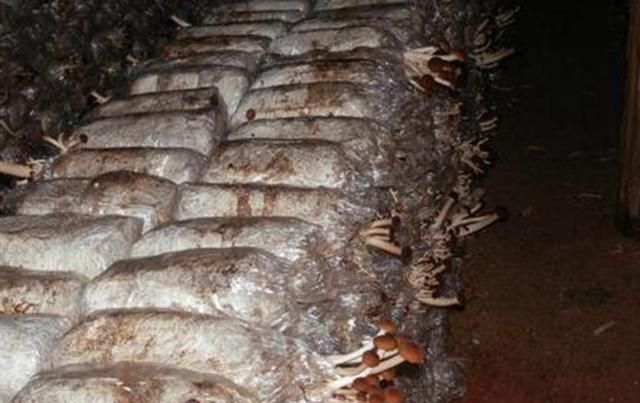
(iii) selection of excellent varieties
Time- and place-to-place production should combine the biological properties of tea, mushrooms and market demand, while selecting well-soldled and marketable varieties. Our country is vast and diverse. In the south, warm and wet, medium-temperature or high-temperature strains should be chosen; in the north, cold, dry, medium-temperature strains of long-lived bacterial age should be chosen; in peri-urban areas, towns and cities, transport should be easy, and freshly sold strains should be selected, with high-, medium- and low-temperature combinations to ensure supply for the anniversary。
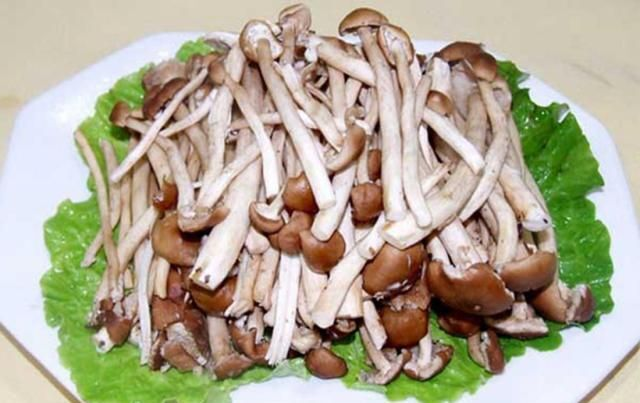
Ranges with high rates of dry mushroom output should be chosen for rural mountainous areas, far from towns and inaccessible areas. In spring mushrooms, a medium-temperature, medium-temperature strain should be chosen for the gradual increase in temperature during mushroom production; in autumn mushrooms, a medium-temperature, low-temperature strain should be selected for the gradual decrease in temperature during mushroom production. In jiangxi province, the institute of bacteria of lechuan county and the jiangxi lilong tea festure fungi seedling base have been able to adapt to production in different regions through natural selection and introduction of improved temperate strains。
Preparation of materials and sites
(i) material preparation
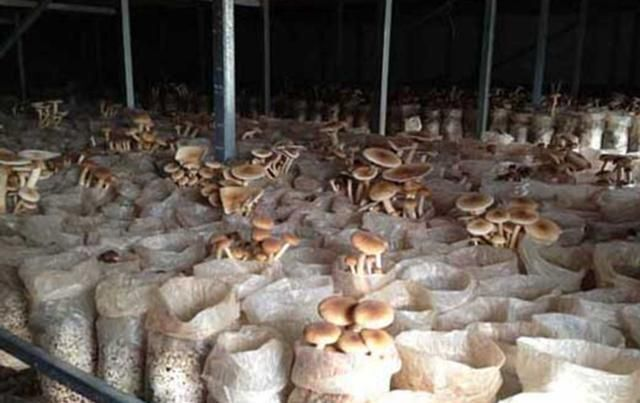
Tea mushrooms are grown on the basis of raw materials, which include three raw materials for the preparation of incubators, plastic bags and disinfection products。
The main raw material formulations for the cultivation of tea mushrooms are wood: 38 per cent of wood, 35 per cent of cotton hulls, 15 per cent of wheat wheat, 6 per cent of maize powder, 4 per cent of tea cake powder, 1 per cent of plaster, 0. 5 per cent of red sugar, 0. 4 per cent of potassium phosphate and 0. 1 per cent of magnesium sulfate. Approximately 3,000 bags of tea mushrooms are produced。
(ii) decontamination, insecticide and clean-up of sites
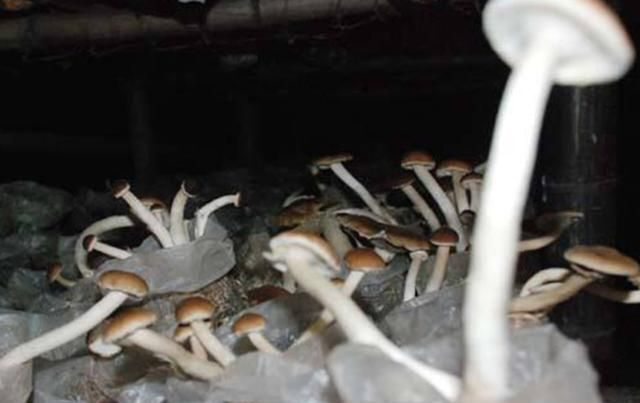
Cleaning and disinfection of mushrooms, both inside and outside, is needed to reduce the breeding of pests and diseases. In the case of mushroom houses, blending fields, vaccine rooms, incubators, storage rooms, etc., as far as possible from poultry, livestock houses, cleaning and disinfection. Before, after and after the production of the material, the mushroom house and the site are disinfected with medical fluid to eliminate the latent fungus and pests. The walls of the mushroom house are painted with lime, the ground is cleaned, doors and windows are closed and fumigated with medicine once。
That's what we're doing before the tea mushroom bag is planted. Is that clear? I hope that today's content will help you. If you don't understand, leave a message below and i'll give you a solution。