1. Selection of large-leaved mustard systems such as dragon oxen tail mustard, bamboo mustard and permanent local mustard systems that are appropriate for disease resistance, high-quality production, high-resilient, wide adaptive, fresh food and processing。
Cultivation can take place during the eight-november planting season and is most appropriate in the 20-25 degrees celsius average daily season (mid-september)。
3. Feeding
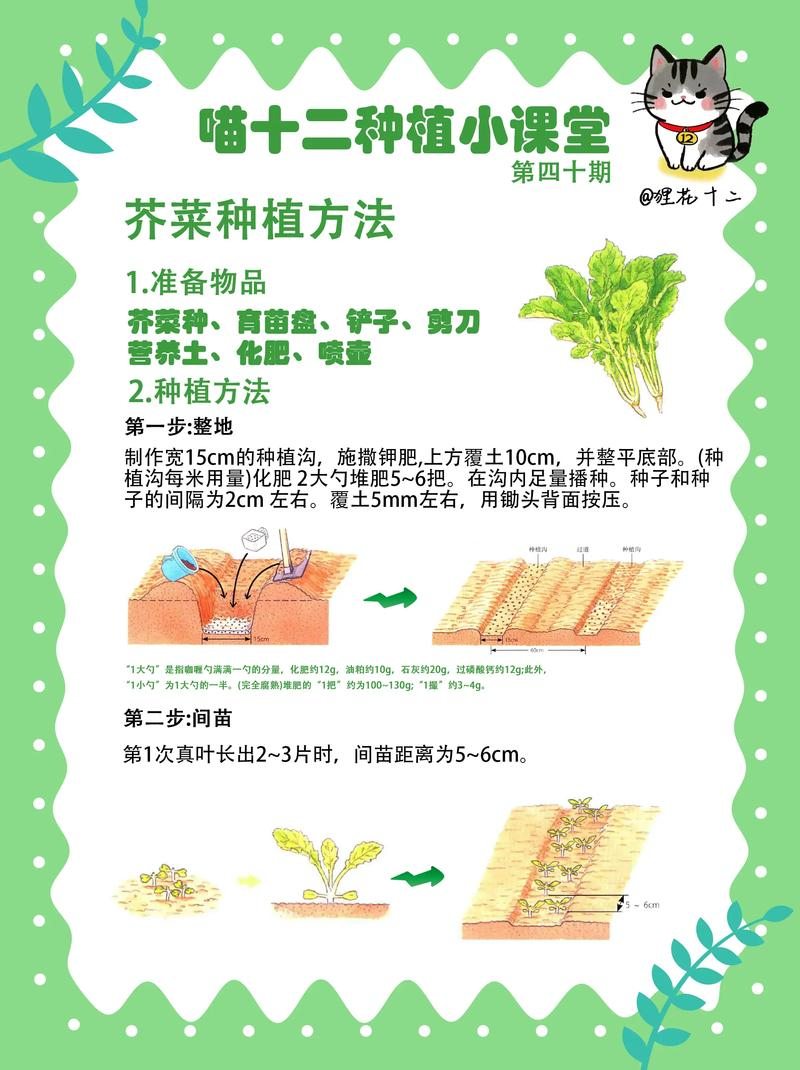
1 whole seeding. The seedbeds are particularly fine, and are made of scalable, easy-to-drink, water-conserving and fertile plots. The application of 1,500 kg of decomposition organic fertilizer per acre bed is supplemented by a three-dollar compound fertilizer (15:15:15:15:c) of 30 kg, borax 1. 5 kg, magnesium sulphate 5kg as a bottom fertilizer, which is made up of a 120 cm wide-width corset. Seeds of 5-7 grams per acre and nursery beds of 10 m2 are required。
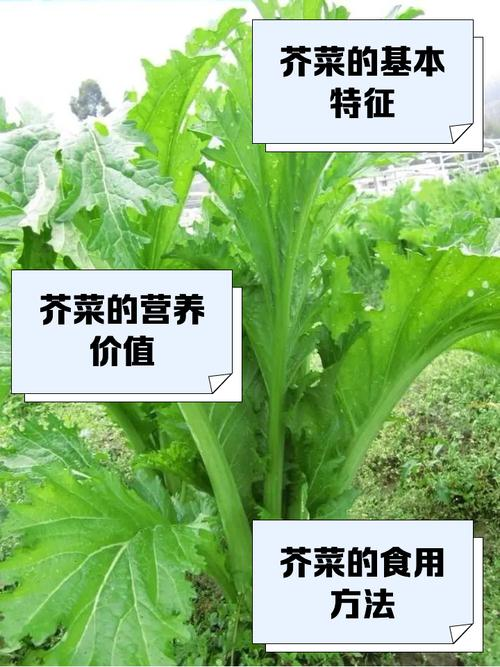
2 sapling reduction. The seedling is lost on time, and a seedling is established when a leaf grows, leaving one seedling per 12-16 cm。
3 fertilizer water management. The planting is followed by waterproofing of the embankments, which often insist on humid soil. New seedlings use 0. 1 per cent urea-500-600-kg for 4 per cent of the acre in a single leaf。
Four plants. Twenty-five days after planting, when the bud grows to four or five real leaves, it should be taken to the field。
4. Plantation
1 fertilized whole. The whole acre is covered with plaster from 50 to 70 kg, ploughing, tanning into a chain of larvae with a width of 120 cm, 25 cm height, decomposed organic weight of 150 kg per acre, compound weight of 40 kg of trinium, curry of 1. 5 kg, magnesium sulphate 3kg as base fertilizer, which is fully commingled and then replanted。
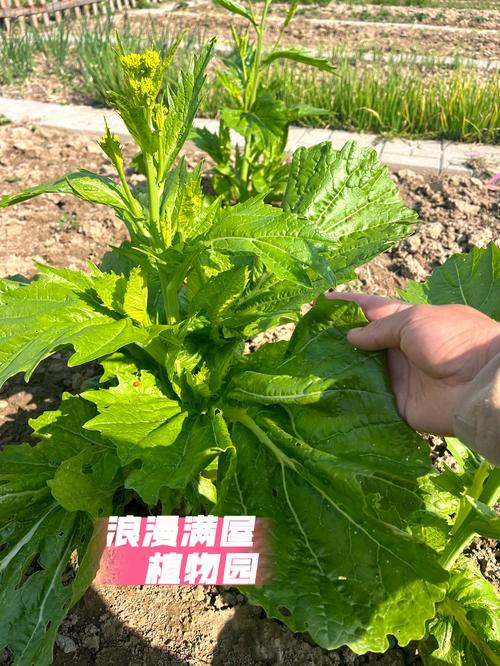
2 reasonable secret. Double-cropping, 35 to 40 centimetres for autumn harvests, 2,800 to 3200 units per acre, and 45 to 50 centimetres for winter harvests, 2,200 to 2,400 units per acre。
5. Field management
1 growing grass. The seedlings are then ploughed on time and for the last time before the seal. It should be shallow and deep in order to prevent injury。
2 water management. The previous period should insist on the wetting of the caves, with less water being poured when the rain is low, and on-time drainage when the rain is heavy, avoiding rooting。
Three for fat. The pursuit of fattening is dominated by nitrogen fat and the addition of a suitable amount of potassium fat. After replanting, the seedlings were fertilized, 1 per cent urea per den, 7 days, 1 and 2-3 breaks. The 9-leaf period began 15 days before the end of the field-wide harvest, and 2 leaf acres were applied a three-dollar complex of 2kg urea and 3-4 kg urea。
4 pest control and treatment. The principles of prevention and treatment: prevention is the focus of integrated treatment and treatment, priority is given to agricultural prevention and treatment, physical control and treatment, biological control and treatment, and scientific cooperation in the use of chemical control and treatment is justified for the purpose of producing safe and quality mustard. High toxic residues, high bioconcentration, high trigent and mixed pesticides, which are explicitly banned by the state, should not be used, and the requirements of gb4285 and gb/t8321 (all) should be strictly enforced。
Agriculture prevention and treatment: opting for anti-disease (resisting) excellent varieties; rational rotation, cleaning of fields, reducing the number of pest sources; using 75 per cent of the bacterial hygienic powder as 0. 4 per cent of the seed volume; or using 25 per cent of the rhesus moist powder as 0. 3 per cent of the seed volume for seed disinfection。
Pharmacy control and treatment: froscilosis can be used 53 per cent of the gredomilite 600-800 times liquid, or 50 per cent of the aqueous accelerant 2,500-fold liquid, or 25 per cent of the aqueous humid powder 750-0-0-0-0-0-0-0-50-year liquid spray at the initial onset of the disease, with a break of 2-3 times every 7 days; septic disease can be used 72 per cent of the agrocorinic humid powder 4000-0-000-500-0-500-0-500-0-3-0-500-0-500-0-500-0-3-0-0-0-80-0-00-0-0-0-00-0-0-0-00-0-00-0-0-0-0-0-0-0-0-0-0-0-0-0-0-0-0-0-0-0-0-0-0-0-0-0-0-0-0-0-0-0-0-0-0-。
In the event of a five-leaf shift, the sixth to ninth leaf in the daejeon may be removed after its natural fall, and the tenth leaf shall be harvested when the leaves reach the age of 15, and the first new leaf shall be harvested with a ripe leaf for each new leaf of one length, and the whole leaf shall be harvested when the buds are present。