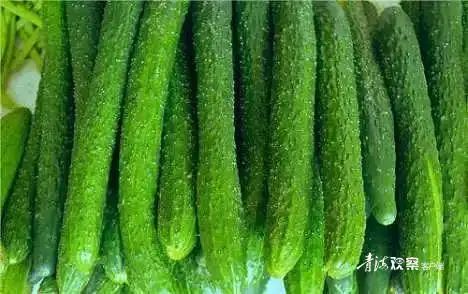
# a harvest in china #
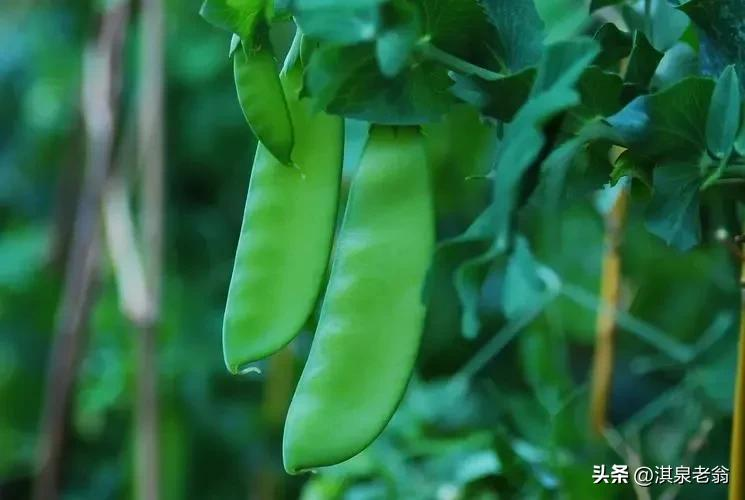
During the spring and autumn seasons, the harvests were recovered in may after winter. The dutch soybeans have a longer reproductive life than spring, with 120 to 180 days. Since dutch beans are used as food for fresh bean, the main objective of growing them is to increase their production and ensure that they are fresh, and the measures taken are geared towards that goal。
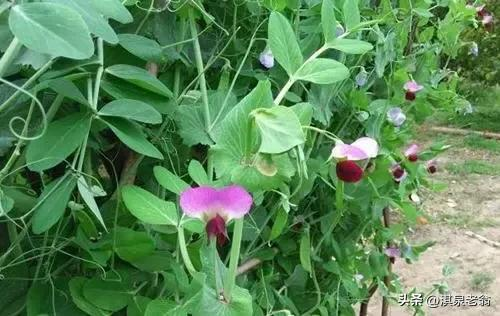
I. Time of seeding
Dutch beans grow at the most suitable temperature of 15 to 20 degrees, and seedlings are resistant to temperatures of less than 5 degrees, with temperatures of more than 25 degrees during their growing period, and poor growth is low. Dutch beans can thus be seen as cold-resistant crops. From a temperature point of view, winter dutch beans can be sowed in the yellow area from mid-october to early november. Predicated on the fact that the seedlings are not frozen, they can be broadcast as early as possible and for longer periods of time, so that they can be spread over more branches and increase the number of corsets. If seeding is premature, the plant thrives a year ago, and the plant is susceptible to freezing, affecting future growth。
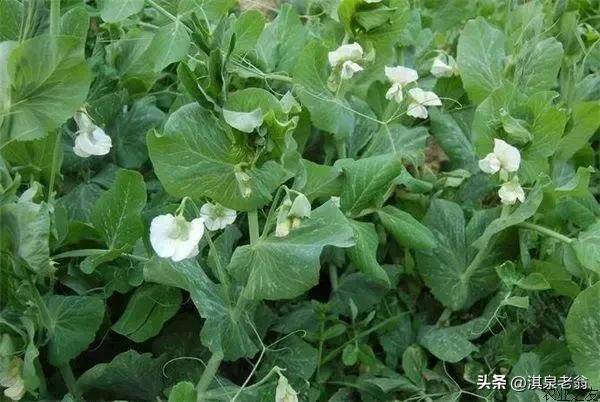
Selection of varieties
The general requirements for the selection of dutch beans are high-yielding, resilient and adaptable varieties. However, the variety of pre- and late-literated varieties, which grow winter dutch beans, requires the use of mid- and late-literated chicken varieties, which can prolong the pick-up period and increase production. Reference varieties are treasure dutch beans, soybeans, creams 80-11, earth 601
Iii. Fertilizing the whole area
Cultivated winter dutch beans in the autumn, the whole landscape is characterized by a straight root line, bringing the soil up to the depth of 30 cm, ploughing down deep and thin. The long-term nature of fertilization should be borne in mind, with the increased application of slow-growing organic fertilizers and the increased application of organic fertilizers, which not only improve yields but, more importantly, enhance the quality and taste of bean bean bean bean. Although the soy root system in the netherlands has a nitrogen-fixing capacity, it has a weak nitrogen-fixing capacity during the seeding period and can be considered to reduce the use of nitrogen fertilizer during fertilization, it cannot be avoided. Three quarters of high-quality organic fertilizer per acre are fully decomposed, including 80 pounds of cake fat and 80-100 pounds of compound fat。
Seeding and density
When seeding, care is taken to ensure that soil moisture is sufficient and that seeding occurs when less than 70 per cent of the water is held in the field. Water is poured before seeding, and seeding is done when the land is white. The range is 30 to 40 cm in length and 10 cm in length, 20 to 25 cm in length and 5 to 8 cm in length. The sowing depth between 3 and 5 cm should not be soaked so that the topsoil is not so difficult as to affect the growth of the seedlings。
V. Field management
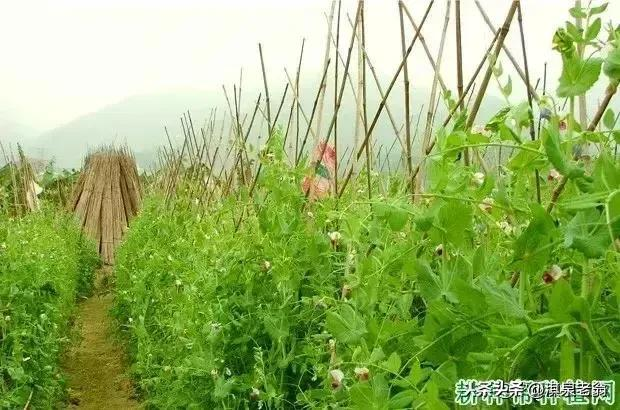
Table 1: dutch beans are chicken crops that need to climb in order to properly distribute the leaves for light co-operation. The height of the frame depends on the variety, usually at a height of about 120 cm, with the adult font, starting with a height of 30 cm, to attract the chicken into the frame。
2. Cultivated pine land
Chinese tillage is a measure to promote the growth and growth of growing plants, with many times during the whole reproductive period, most notably three times before the winter, before the return and before the closure. The winter is preceded by a combination of earth-based fertilizers, with a view to the eradication of weeds and the improvement of the temperature of the seedlings. The main role of ploughing before return to youth is to increase the temperature of the land, to absorb rain and to promote return. The closure was preceded by a final turpentine in conjunction with fertilizer。
Three. Fat water regulation
Watering: before winter, water for winter is fertilized once in china, soil water is increased, temperature is increased, and seedlings are made safe for winter. Later in the year, before the present, water was poured out once, and no more。
Fertilizers: when the bottom is full, one winter per year, another 20 pounds per acre, 20 pounds per acre, and no more, it can be used to fatten the leaves and protect the leaves。
Collection
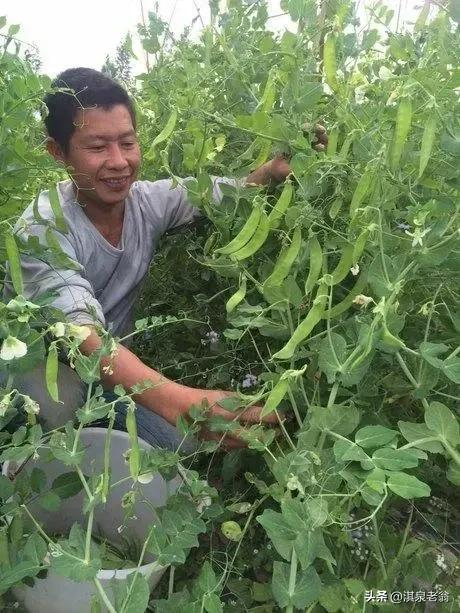
Dutch beans feed on fresh herbs, and harvests are timely and the tastes deteriorate late. Usually, 10 days after flowering, seed grains are not full and the colours are green enough to be picked for listing。