In recent years, watermelons in the town of chenyang county, where 3000-5,000 acres are grown each year, have grown mostly in the open field in order to breed seedlings; the planting season runs from march to may, that is, around mid-march or late-april, with seedlings broadcast live, and in early june, harvests took place in the city late in june, and supplies were available for about 20 days. With improvements in varieties and cultivation techniques, watermelons have been on the market since may。
If the watermelon is to be high-yielding, of good quality and economically efficient, it is essential to nurture strong seedlings and to properly fertilizer. Pre-planting of watermelons is based on organic fertilizers such as rotting chicken dung of about 8 acres and compound fat of about 200 kg, which are sufficient to satisfy the growth of the watermelon seeding period once. The following are some of the highlights of the techniques used to plant watermelon:
I. Selection of varieties
In recent years, the main species suitable for the spring production of watermelons in our county have been the following: funeral 5, miracle 8, nueva 5, sinon 8, black tiger, lazy 818, black beauty and little jade series。
Selection of cultivation sites
Cultivation of watermelon plots, which choose a backwind to the sun, cannot be planted in a row. They can be easily drained, thick and organically rich. We basically grow watermelons in rice-coated rice fields。
After a deep drying of the soil for half a month, the soil is grounded to a surface width of 1. 5 metres, which is typically about 20 centimetres high; and in a planting ditch with a depth of 30 centimetres wide, in which the acres are applied to the manure of 1,000-1500 kg, complex fattening of 25 kg, boron sand of 1. 5-2 kg, and magnesium sulfate of 4 kg, both the fertilizer and the refilled soil should be mixed when applied。
Iii. Leaching
The watermelon seeds selected to fill with seed grains are soaked with 55°c warm water, which is constantly immersed, and when water temperatures are reduced to 30°c, they continue to immerse for five hours, wash the slime from the skin, and sow in a timely manner after asphalt。
Iv. Cultivating seedlings
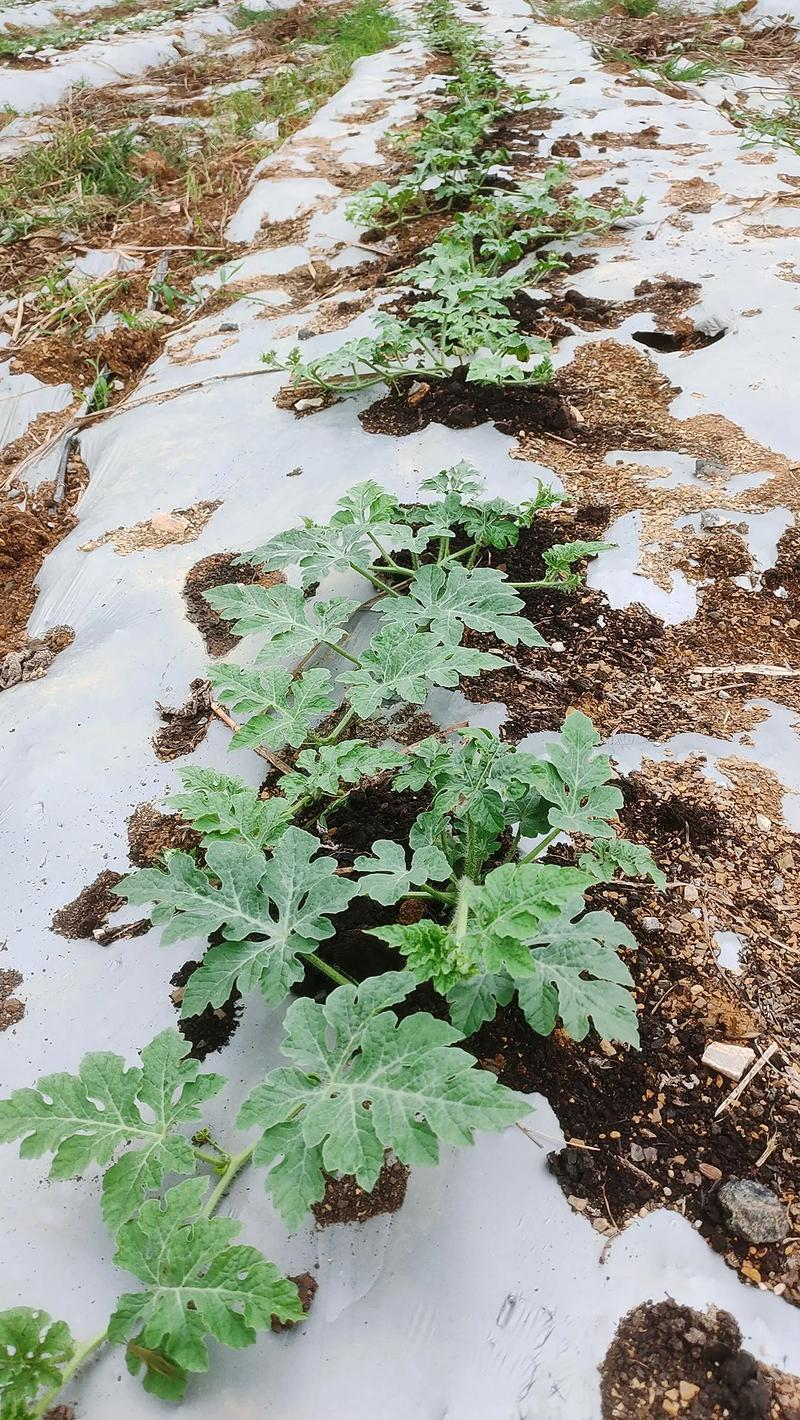
In mid-march, nutrition pallets were concentrated to avoid live broadcasts. The average temperature in the chenyang area was lower in march-april. A week before the seeding takes place, the soil should be equipped with nutrients, and then covered with film. In order not to wet the rain, when seeding, water is poured out of the nutritious soil with a canteen, then seeded and covered with 1 cm of wet soil. The seedlings are 30 to 35 days old and can be planted in daejeon if they have 2 to 4 leaves. The seedlings were sprayed the day before the planting and pests were prevented。
V. Shrimp management and seed density
When seedlings are produced, care is taken to keep them out of the air in time to prevent them from roasting. Watermelon seedlings can be planted at one heart, with a density of 600-700 large and 700-800 small watermelons per acre。
Vi. Field management
1. Fertilizer water management. More fertilizing water before flowering fruit to promote nutritional growth. Observe the fertilisation of seedlings, apply concubines, and re-envelope. The fattening is performed five to seven days after planting, and can normally be applied once with urea and composite fertilizer at a ratio of 1:2 to 0. 3% solution; it is generally applied 20 days after seeding, 10 to 15 grams of urea and 15 grams of potassium fattening, and 25 centimetres deep on each side of 35 centimetres from the point of planting, to cover the soil in the ditch; and it is applied in large hours to eggs of urea 30 to 40 grams, calcium per phosphate 15 grams and 30 to 40 grams of potassium fattening at 50 centimetres from the point of planting, in a manner similar to that applied to the fatting of the chicken, but the position of the gutter should be applied vertically to the fertilizing ditch。
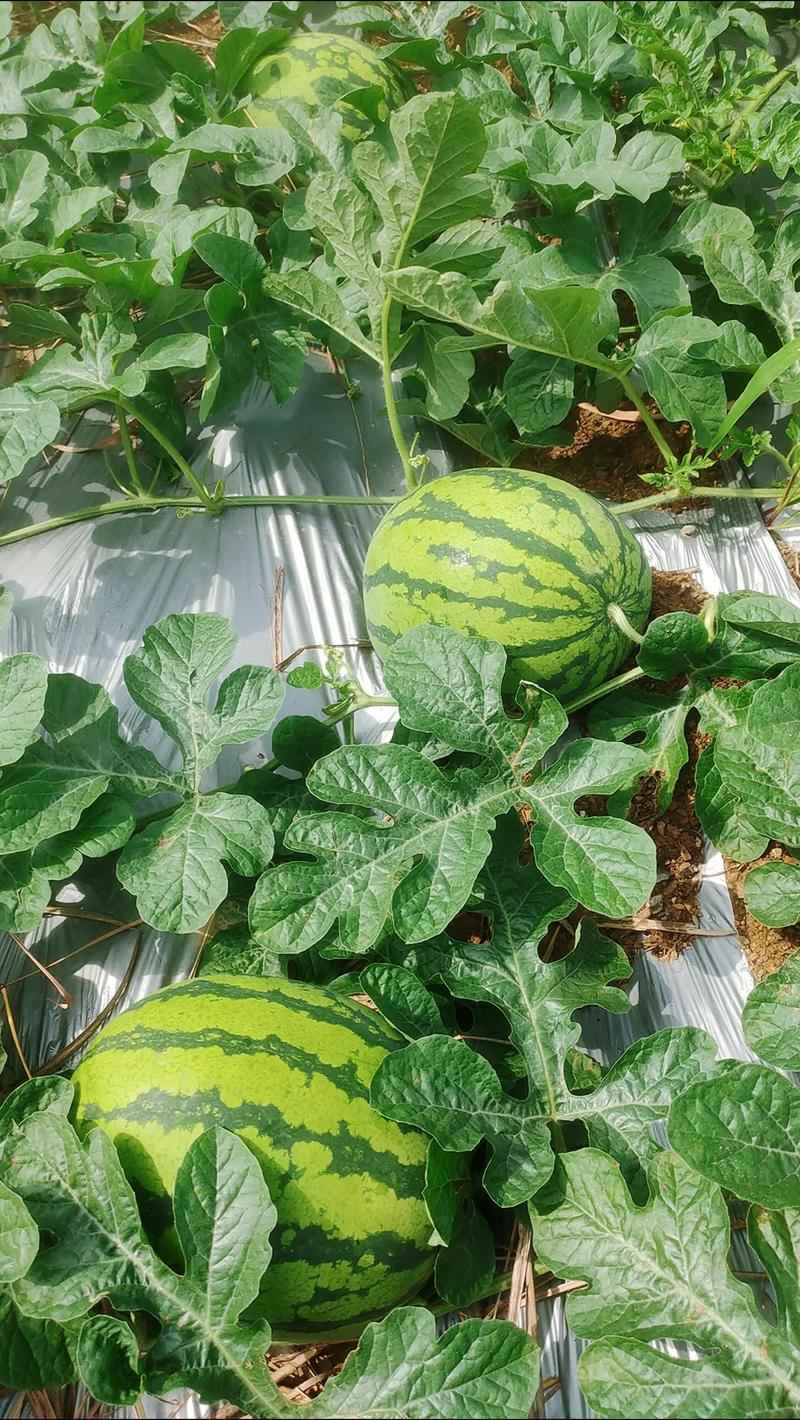
Spring watermelons must be drained in time for the rain to stop and dry. In times of high temperatures and drought, it is possible to use ditches at night, but it is important to keep the face dry or drain。
2. Cultivation. Cultivation should take place 40 to 50 centimetres long in the watermelon, if the chicken is too long, it is not only inoperable, but it is prone to infestation by diseases of the leaves, as well as the pine soil, and is subject to spilling of leaves, flowers and guerillas after the rain。
The whole chicken. It's common to have both chickens and three chickens in the whole branch. Double chicken is the preservation of the main chicken and a strong chicken in the base of the main chicken and the early removal of the rest. This approach is suitable for dense planting, with high sit-in rates and more frequent use in early ripening or less fertile plots. Three chickens are for the main chicken and two strong chickens are selected in the third to fifth sections of the main chicken base, removing the other chickens. This approach is applied more frequently in medium- and late-curricular varieties. When the main vine is out and the first female is open, the seedlings are organized every three to four days, so that the main chicken can move forward in a regular manner. After flowering, no more chickens。
4. Artificial pollination. Spring melons are prone to continuous rainy weather, affecting insect activity, and can be pollinated manually to increase sitting rates。
Promotion of sedentary melons. It is preferable to choose the second and third females on the main chicken. Females far away from their primary roots have smaller results and are generally not suitable for retention。
Fruit management. In some cases, in the course of the ploughing and planting, it is not desirable to have a handful of guacamole or sit on it, and measures should be taken to remove the low guacamole or melons that are in poor shape and are sick and wounded, in order to preserve and ensure the normal development of the fruits of the normal bouquet。
Vii. Pest management
Watermelon pest control should be integrated。
Agriculture. One is the removal of weeds from the ditch road near the melon field to reduce the pre-pest availability; the other is the care to remove the watermelon strain, which should be uprooted and buried or burned, and not left behind in the ditch or by the road。
2. Chemical agent control. In case of atrophy, 250 ml of lactating fluids per lacium can be gulped with 50% more than 500 times more humid powder or 70% more than 1,000 times more methyl tobuzin. The disease in the open watermelon is mainly transmitted by aphids, which should be treated with emphasis, and 20 per cent of aphids are sprayed with 1,500 times more liquid than before they peak. In the early stages of anthrax, 80 per cent of huf is sprayed with 800 times more liquid or 70 per cent of methyl tobuzin humid powder 500 times more liquid。
Viii. Receiving in time
After 30 to 35 days of pollination, the market can mature. The harvest shall be carried with the preservation of the handles and a section of the chicken, which shall prevent the ingestion of the disease and provide for the preservation of the water。
The premature watermelon in the villages of tai li and li zhuang of chenyang county is generally available by midday, and the price of selling it during the season is one or two times higher than at the end of the afternoon。
Agricultural extension station, qingyang county