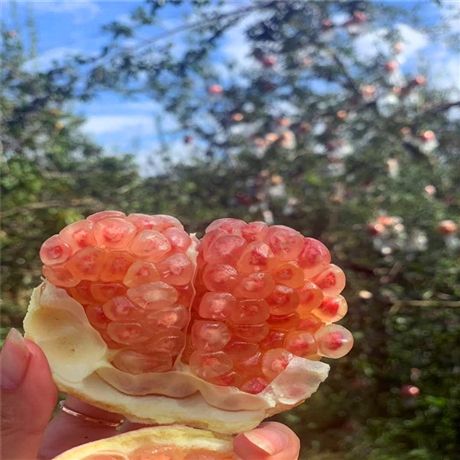
Pomegranates, such as these, have been popular in the market, with abundant moisture and beauty for long periods of time, and have been bought more by female friends. The number of pomegranate growers is now growing, and the mini-producer then talks about pomegranate cultivation techniques and management。
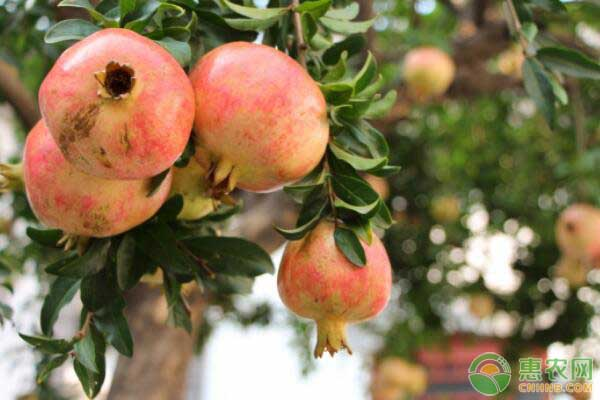
I. Pomegranate cultivation techniques
1. Selection of location
Pomegranate trees are radiant trees, the lack of light affects later results, and pomegranate trees cannot be planted in the more windy wind, so the location where the pomegranate trees are planted should be chosen to avoid the wind. Soil selection is dominated by fertile and permeable soil plots, which are too alkaline for pomegranate growth。
2. Cultivation of seedlings
Pomegranate seedlings are usually bred by embroidery or pomegranates, which are not technically complex and can be grown on the basis of demand, and are relatively rapid if grown in large quantities. When plugs are inserted, they are selected for a year with a thick branch, cut to about 20 centimetres long, and then grow in spring。
3. Post-plant management
When pomegranate seedlings are planted, proper water is required to keep the soil wet, and care is needed not to accumulate water for long periods of time, since pomegranate trees, though not too dry, are not in great demand for moisture. If the soil is too damp and permeable, not only does not favour the growth of pomegranates, but rather causes pomegranate leaves, it is said that the watering of pomegranate trees generally remains dry and wet。
4. Fertilizer management
Pomegranate trees can be grown using decomposed organic fertilizers as bottom fertilizers, and to the extent possible, not chemical fertilizers, because the demand for fertilizers is limited during the slow-growing periods of the seedlings. Even in the later management of pomegranate trees, it is preferable to use organic fertilizers, using base fat before the end of autumn and winter, and to use fertilizer, mainly phosphorous potassium。
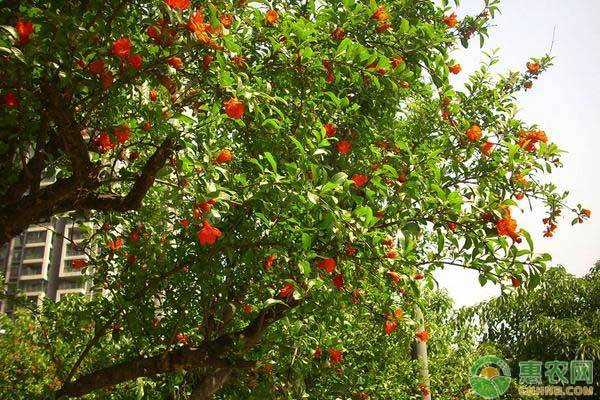
Ii. Pomegranate management points
1. Cut management
Cutting is also a more important part of pomegranate management, which is essentially similar to other fruit trees, and it is a misconception that pomegranate trees are not cut. Because the pomegranate branches are too dense, they are not conducive to ventilation, and there are also proto-breeded branches that are not only a waste of nutrients, but also to results。
In the case of pomegranates, winter cutting can be done in the annual winter with reference to the cut of fruit trees, the brushing or short-cuting of a thick branch, the cutting or heartning of a straight branch born in one year, the cutting of disease and pest branches, the thinness of branches, etc., and the improvement of the ventilation of pomegranate trees and the reduction of infestation。
2. Pre-winter management
Pomegranates are radiant, but they are slightly less resistant to cold, and cold winters are prone to freezing them. Therefore, before winter comes, the winter protection of pomegranates must be done, such as the application of base fat to pomegranate trees at the end of the autumn, the enhancement of winter resistance to pomegranate trees, and the drying of pomegranates for winter, both for cold and for pest control。
3. Drought and drought preparedness
Before a pomegranate blooms every year, if the soil is dry, it is necessary to water it, promote pomegranate flowering and pollinating it, and prepare for the wind when pomegranate trees bloom. During the summer season, heavy rains are followed by timely run-off of pomegranate trees, preventing the long-term presence of pomegranate roots and hampering their growth and development。
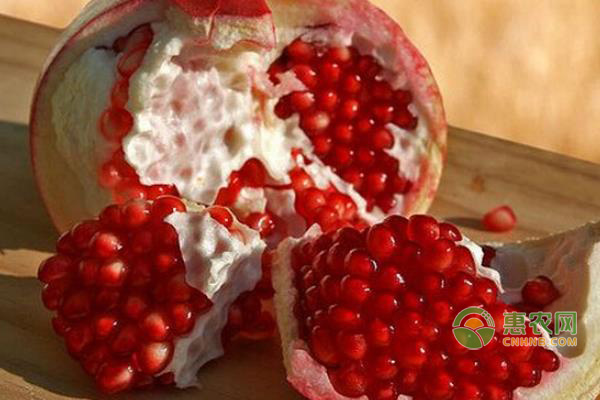
All right, that's all i'm going to share with you today. It details the techniques and management of pomegranate cultivation, which is more conducive to the growth of pomegranate trees and their high quality。
You may be interested in and welcome the content of the following recommendations of the network:。