Preparation for planting
1. Choice of varieties
- selection of varieties according to local climate: selection of wet-resistant heat varieties in the south (e. G. “honey bells” “gold melons”) and selection of drought-resistant varieties in the north (e. G. “tread melons” in the “twiss mushrooms”)。
Priority is given to a combination of highly pathogenic and productive species。
Seed treatment
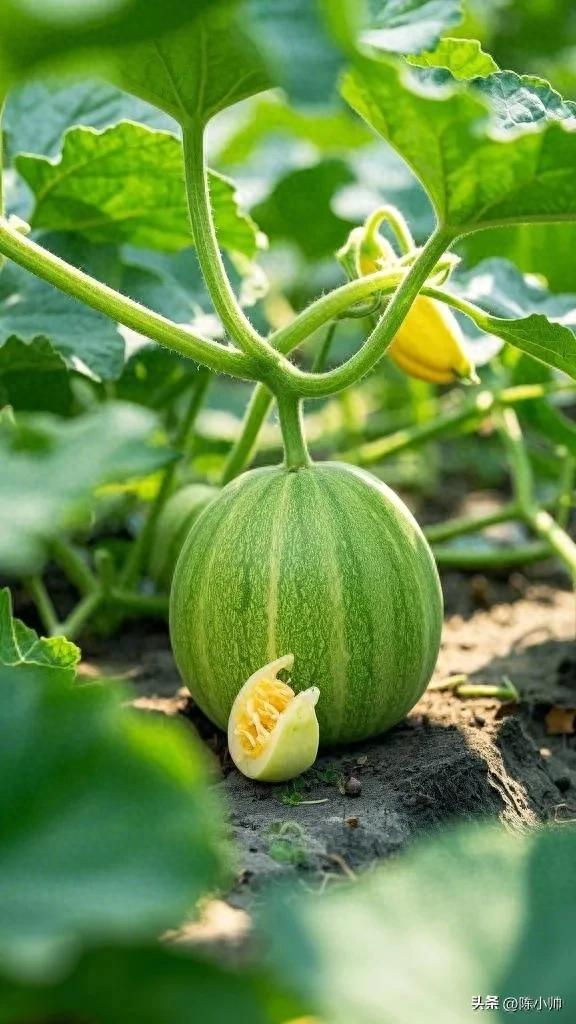
Decontamination: 15 minutes in water at 50°c or 30 minutes in potassium permanganate solution at 0. 1% to prevent disease。
Drums: the seeds are immersed in hot water for four to six hours, wrapped in wet gauze, in an environment of 25-30 °c (e. G. Routers, warm twilight) and sowing at 1-2 days of open white。
Ii. The nursery stage
1. Cultivation
Nutritional home-made: corrupted soil + river sand + corrupted organic fertilizers (scale 3:1) to ensure abating gas。
Seeding: leaning of white seed into a sapling or nutrient, covering 1-2 cm and watering。
Temperature management: the gestation period is maintained at 25 - 30°c, 20 - 25°c during the day and over 15°c at night after seeding, to prevent seedlings from growing。
2. Shrimp management
Lights: at least six hours a day, which can be filled with light on rainy days。
Watering: keep the soil wet but unwatered and avoid rotting roots。
Refrigerated seedlings: gradual ventilation and cooling seven days before planting to increase the resilience of young seedlings。
Iii. Mobilization
1. Fertilization in general
(b) select areas that are well-silent and well-drained to avoid heavy strangulation (at least three years without seeding)。
Per acre decomposed organic fertilizers of 2000 - 3000 kg + 30 kg compound fertilizers, deep-sliding soil and rises (up 20 - 30 cm)。
2. Plantation methods
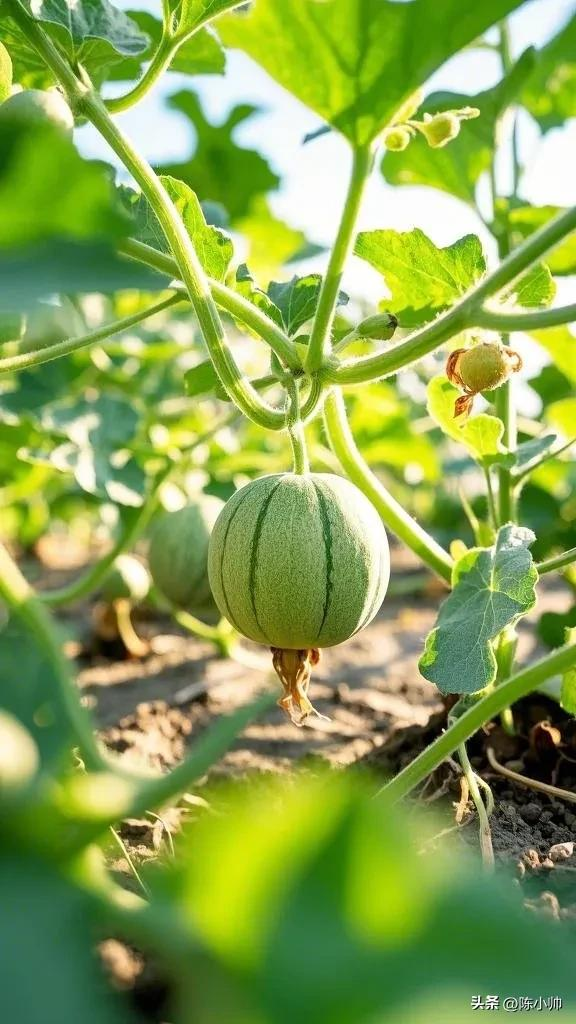
Time: precipice 3-4 leafs with temperatures above 15°c (north may, south april)。
Density: the reptile plant is 50-60 cm, the stand-up plant is 30-40 cm and the line is 1. 5 m。
Operation: land shifting, planting followed by root water and covering membranes to keep temperature and humidity。
Iv. Field management
1. Fertilizer management
Watering: keep the soil moist during the preceding period, keep the water protected after flowering, and increase watering during the period of fruit expansion (avoiding drier and wetness leading to fibrosis)。
Fat pursuit:
Cranium duration: 10 kg urea per acre + 5 kg potassium sulphate。
Post-sitting: 0. 3 per cent potassium phosphate per leaf sprayed every 10 days。
2. Whole chickening
(a) single whole branch: the main chicken leaves one melon, and the side branch is removed (befitting a shelfing plant)。
Two whole chicken branches: the main chickens, four to five leaves, two strong chickens and one to two melons per chicken (fit for climbing)。
Creaming: two leaf-breeding and a concentration of nutrients for fruit。
3. Artificial pollination
From 8 to 10 a. M., the female is lightly touched by the picking of a male flower (the female has a guacamole in her base) or painted with a curry platinum。
Three to four healthy melons each, with the remainder removed。
V. Pest management
Common diseases
Powdery: 25% ester suspension 1500 times liquid spray at the beginning of the disease。
Frost: 600 times liquid spray with 72% frosted manganese zinc wettable powder。
2. Pest control
Aphids: 10% of aphids are humid powder 2,000 times more liquid。
A melon fly: hangs a yellow sticky sheet or sprays 3000 times more concentrate than 5% of the salt。
Fruit management
1. Precautions and melons
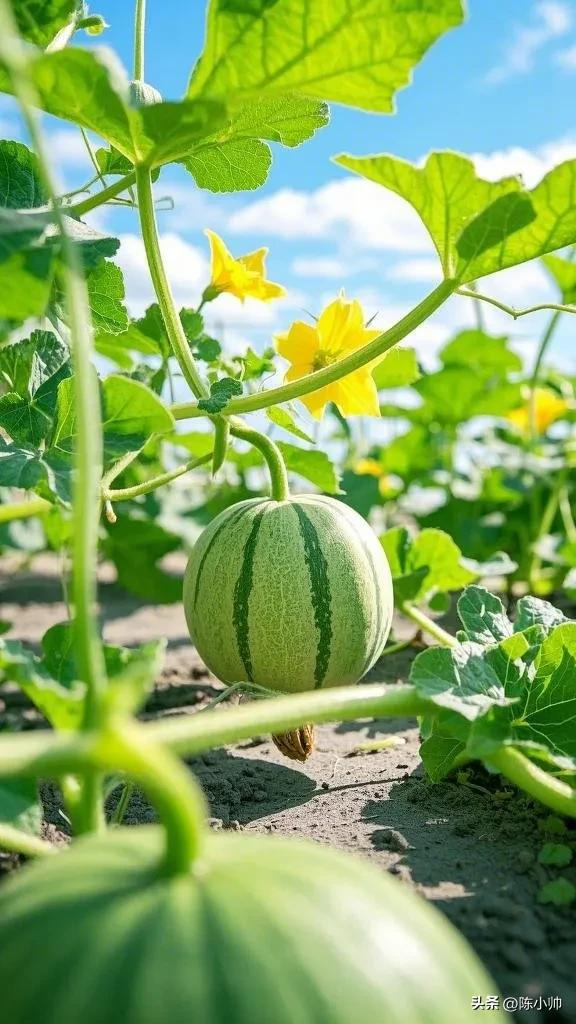
Fruited eggs are used for hours to protect the soil from decomposition with straw or foam pads。
A weekly flip is made before maturity, so that the colour of the bark is even。
2. Mature judgement
Appearances: yellow colours of fruit skins (different varieties) and clear lines of netted varieties。
Smells: the fragrance of fragrance close to the handle。
Touch: a slight elasticity of a light-pressed umbilical umbilical cord with an ionosphere (on impact)。
Collection and storage
Time of harvest: sunshine morning or evening, cut with scissors with 2 centimetres of fruit。
Storage: the unopened guacamole is kept in constant temperature for three to five days, after which it needs to be refrigerated (no more than two days)。
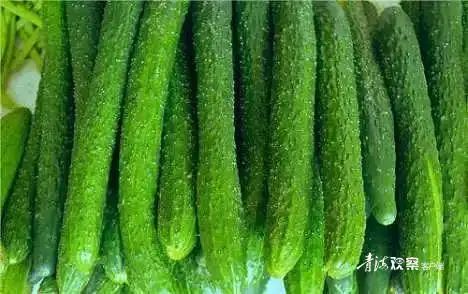
The five great advantages of the cucumber to the body
1. Refuelling: 90 per cent water content, electrolytic, suitable for rehydration in the summer。
2. Promotion of indigestion: diet fibres + natural yeast, decompression of constipation, enhanced intestinal creeping。
Eye-protective skins: beta-carrotin (vitamin a precursor) for vision protection, vitamin c for adhesive protein synthesis。
4. Regulation of blood pressure: sodium sodium high and low (267 mg/100g potassium) to help balance sodium levels in the body。
5. Antioxidation: contains hyperoxidised enzymes (sods), cythalene glycols, which slows cell ageing。
Attention
Repression involves rotation with non-melon crops。
When it matures, rain is avoided and the fruit is washed directly。
Diabetes patients consume no more than 200 grams per day。
Through scientific management, it takes about 70 to 100 days (60 days for pre-maturized varieties) to plant and harvest acreage to produce up to 2,000 to 3,000 kg。