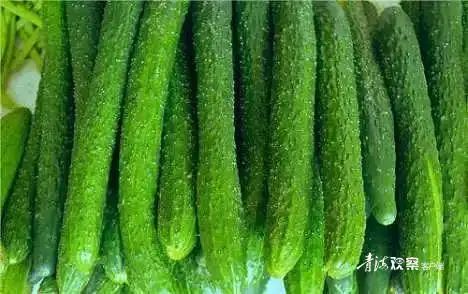
The bitter melon (cucumbers, grapes) is a one-year-old herbiving herbivores, a “hot-breeder” from our summer table in the north and south of the country. It has a soft taste and a unique taste, rich in vitamin c, food fibres, potassium and bitter melons (thermal flames). It can be defecated, collated, souped and made, and the classic “created egg” “creamed egg” “creamed cucumber soup” is desirable for all。
It is highly adaptable, warm and resistant to heat, infertile and harvestable, has two seasons to grow in the northern spring sheds and autumn fields, has four seasons of field cultivation, has a growth cycle of 70-90 days, and is well managed, with 25-35 monoliths, with medium- and late-delayed varieties of more than 40, with an acreage yield of 6,000-10,000 pounds, a market price of 2-6 gallons (summer draught price stability, higher post-season prices) and an acreage income of 12,000-6,000 yuan, a stable yield group of “high-yield hots” from home gardens and large-scale farming。
The core pains of planting bitter melons are the flowering fruit, the bitterness, the high incidence of powder disease — many of the new hands planted bitter melons “when the flowers fall, the melon swallows, the leaves are covered with powder” because of the poor management of pollination, water fattening and the whole branch
This national strategy, ranging from species selection, seedlings, chicken-breeding, pest control, has helped you to grow straight, bitter, high-yielding, high-quality, bitter melons
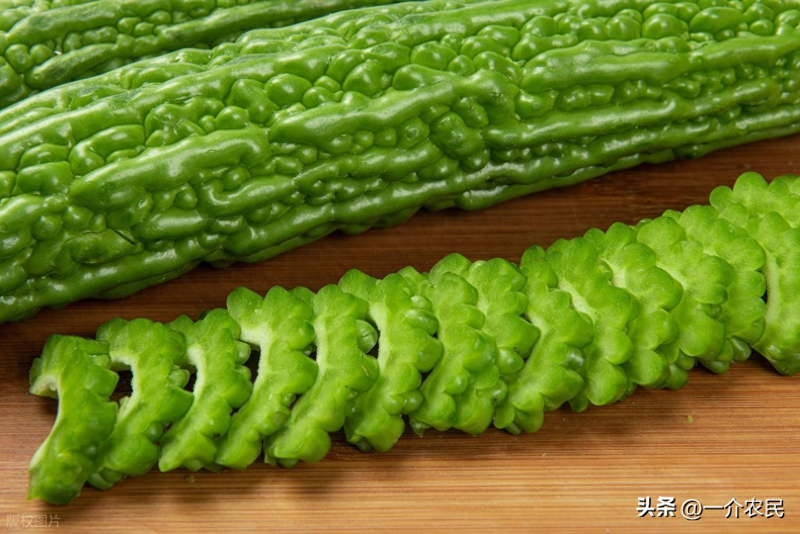
I. Understanding bitter melons: the “growth code” for hot vegetables
(a) maximum growth temperature: 25 - 30 °c (best for a period of 28 - 30 °c, slow growth below 15 °c and no growth below 10 °c)
(a) cold tolerance: weak, with a young child dying of frost (late cream for the northern spring)
Heat tolerance: very strong, resistant to high temperatures of 35-40°c (summer high temperatures still provide normal melons, high-quality vegetables grown in the south)。
Ii. North-south multicropping: time + precision of varieties
The bitter melons are divided by fruit form into long, long, less bitter, suitable for scalding, 25-30 single cucumbers, and short cucumbers (coarse, greasy, suitable for souping, 30-35 single cucumbers), pre-cooked, medium-cooked, late-cooked varieties by ripeness, preferred by cold-tolerant varieties in the north and balanced by heat-resistant varieties in the south。
1. Northern region (north-west china, north-east china, north-west china)
Pre-cooked species: long spring guacamole (cool, pre-cooked, long, dry, 25-30 single guacamole suitable for growing in large sheds), large chums in beijing (coarse, cold, 20-25 single guacamole suitable for spring broadcasting)
Medium-predented species: hafunctuum (heat-resistant, productive, strong on-side cocaves, 30-35 monolithic, suitable for autumn field)
Characteristics: selection of cold-resistant and bitter varieties, artificially pollinating and increasing sit-in rates。
2. South (south, east, south-west)
(b) heat-resistant varieties: guangdong oil-dry melons (little, smooth skin, dreary, single guacamole, 30-35, suitable for defoliation), taiwan pearl-drinking melons (round, moderate, 25-30 single, suitable for cooling)
(a) shorter size: guangxi big fermented guava (coarse, fat, bitter, 35-40 single, suitable for soup)
Characteristics: choosing heat-resisting, disease-resistant varieties, running water during the rainy season and avoiding the accumulation of roots。
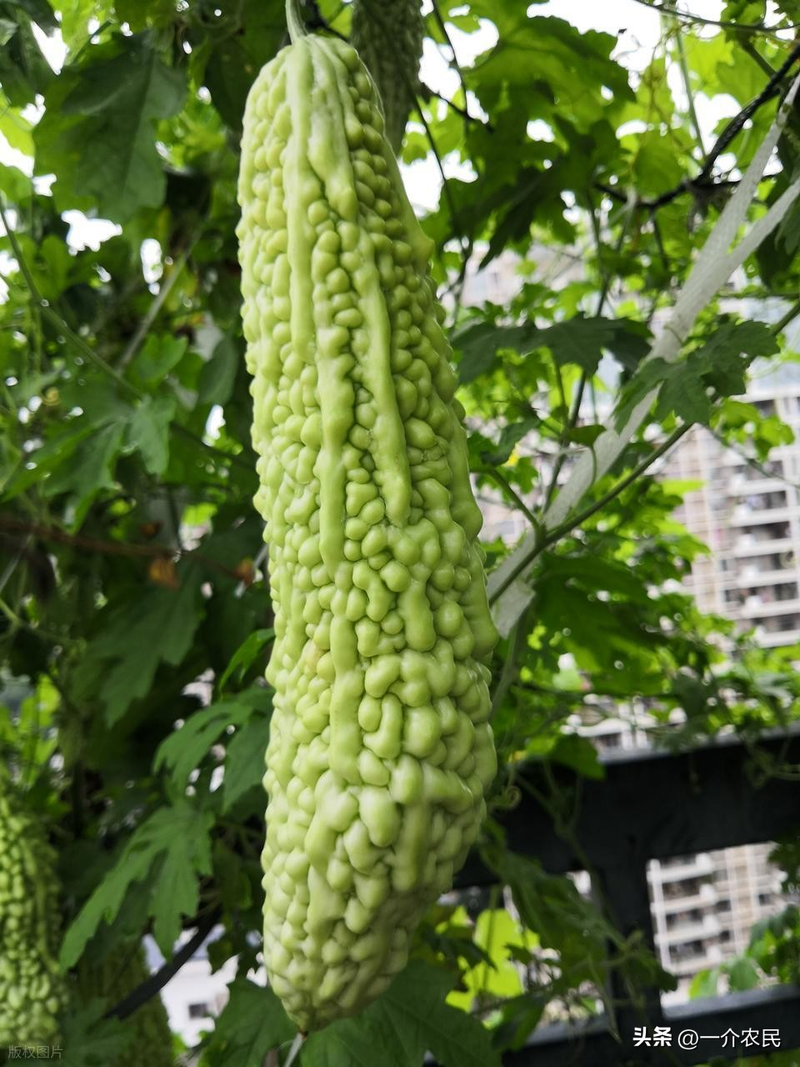
3. Php iii. Full-scale planting techniques: from seedling to harvest, no newer failed step 1: seedling (pregnant seedling, inoculation)
Core principles: the husk of bitter seeds is strong, the direct seeding rate is low (only 40-50%) and the seeding rate must be impregnated to increase to more than 90%
(a) selection of species: selection of new species for the year that are full of intact, insect-blind seeds (very low growth rate)
Absorption: 15 minutes of impregnation with 55 °c warm water (mixing of fungi to prevent disease during seeding), followed by 24 hours of immersion with 25 - 30 °c warm water (two times during water exchange) to extract asphalt
Shell-breeding: slashing with fingernails or scissors the sharp edges of the seed skin (care not to hurt the embryo), then wrapping it in wet gauze, placed in an environment of 25-30°c, flushing once a day, with three to four days of seed white enough to sow。
(a) premium base: lands: curate soil: pearl rock: corroded organic fertilizer = 3:2:1 = 10 cm x 10 cm nutrients
(b) seeding: 1 seed of white, 1. 5 cm of covered soil, water-filled, covering the membrane (temperature and wetting)
Shrimp management:
Temperature: 20-25°c during the day, 15-18°c at night, when seedlings are released, to remove the protective film and avoid high-foot seedlings
(b) small seedlings: 1 strong smoulder per seed when the baby grows to two smoulders; and fertilizers: 0. 2% potassium phosphate sprayed when the seedling grows to three smoulders (promoting root system development and nurturing strong seedlings)
Refinery: temperature cooling seven days before planting, adapted to the external environment (15-18°c in the northern spring)。
Step 2: plantation (reasonable close-up, pre-laying)
(b) ground cultivation: 2 m and 40 cm (800-900 units per acre) at a density where a ventilated plant with a single capacity of 25-35 casseroles
• a balcony plant: 1 plant (35 cm diameter) per basin。
Step 3: roasted chickens (climbing vegetable cores, protection against vines and vines)
Core principle: the bitter melon is a creeping plant, which must be set up to attract chickens, otherwise the vines will grow on the ground, the ventilation will be low, the flowers will fall heavy and the fruit will come into contact with the ground and be perishable, and the amount of the single melon will drop significantly to less than 10
(a) daejeon cultivation: the construction of a “human” font (high 2. 5-3m), using a bamboo pole or a steel pipe as the main shelf, which is connected across the pole to facilitate the climbing of vines
(b) the balcony plant: 2-3 poles are inserted into the flower basin, tied together at the top, forming a simple triangle to guide the vines upwards。
(a) roast chickens: to pull the vines onto the mats and avoid the entanglement of the vines
(a) chicken binding: the softly bound vines with plastic ropes on the stubble (tight and moderate to avoid strangulation), every 30 cm
The whole thing:
(b) pencil tops: the main chicken grows up to 1. 5 m high (sects. 10-12), removes the sprouts and promotes the acupuncture of the side of the chicken - the chicken is the main strength of the concubine, the more it is retained, the higher the amount of the concubine
(a) penis management: 5-6 robust chickens are retained, the rest of the weak chickens are removed, and the chickens grow to sections 5-8 in large numbers
Removal of old leaves: timely removal of old, yellow and sick leaves (improvement of ventilation, reduction of nutrient consumption and reduction of the incidence of white powder)。
Step 4: field management (fall-proof fruit, bitterness and criticality)
(a) watering: after planting: pouring out of the water, managing the water (see wet and dry soil) and promoting rooting
(a) chicken stretch: maintaining soil humid and watering every 7 to 10 days
(a) cucumber period: the largest amount of water is required, with small water being poured every 5-7 days (preventing drought resulting in short bars and excessive bitterness) and heavy flooding (preventing white powder)
Three days before the harvest: stop watering, improve the taste of the tacos and reduce the pain。
Fertilisation:
(a) fattening of seedlings: 8kg urea per acre, 15 days after planting (watering to promote leaf growth)
(a) fertilizing chicken: 15kg + 10kg per acre of corrosive fermentation (enhancement of the growth of the chickens and the separation of the buds, which forms the basis for the melons)
(a) fertilizers: once the female is open (up to 5 cm), 25 kg + 20 kg per acre of compound fertilizer (promoting the expansion of the bar and reducing the taste of bitterness, at which stage the weight is sufficient, with an extra 5 to 10 pieces per acre)
(a) following harvests: 5kg urea + 5kg potassium fat per acre after each harvest of 2-3 melons (resupply of nutrients, promotion of subsequent melons, extension of harvest period)
Paradoxically, there is a tendency to apply nitrogen fertilizer (which tends to lead to the planting of long plants and to the falling fruit) and potassium fertilizer (which reduces the taste of pain and improves quality) during the melon period。
Natural pollination: field cultivation in the south, insects such as bees, butterflies, etc., are pollinating, with high sit-in rates
(a) artificial pollination: the northern shed is grown (without insects) and requires artificial pollination by picking the male at 9-11 a. M. (when the male blossoms), removing the petals, rubbing the pollen on the head of the female, each of which can pollute 3-4 females, with a female seating rate of over 90 per cent
Hormonal pups: 0. 1% chlorine platinum (sitting) can also be sprayed, increasing the sitting rate (concentrated strictly to avoid deformity)。
Pest and pest control: avoiding problems such as “falling flowers, bitterness, rotting leaves”
Prevention and control: artificially pollinating (shelter), reducing nitrogen fertilizer use, maintaining soil moist during guacamole periods, and timely whole-stamping。
Prevention and control: the melon period is maintained in sufficient moisture to ensure 8 hours of light per day at a controlled temperature of 28-30°c and additional potassium fertilizer。
Prevention and control: ensure full pollination, control temperature for melon periods at 25-30°c, balancing water fattening and avoiding dampness。
Prevention and control: reduce nitrogen fertilizer, increase light, and hit the top in time to promote the growth of the sides。
2. Pest management 3
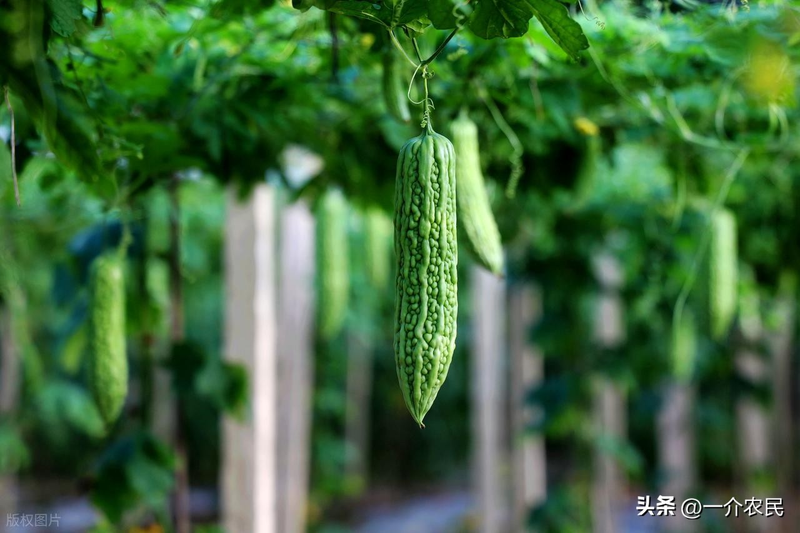
Collection and economic efficiency: high-yielding harvesting techniques 1. Timing and methods
(b) prolonged pain melons: 25-35 cm long, 3-5 cm diameter, green skin, visible tumours, elasticity with light hand pressure (over-old, yellow skin, increased bitterness)
Suffering melons: 15-20 cm long, 5-8 cm diameter, thick meat, 300-500 g single
Note: in time for harvest, normally 12-15 days after the opening of the female flower, which results in the fibrosis of the melon, which is too bitter to eat. Timely harvesting also facilitates the opening of follow-on female species and stabilizes the number of single cucumbers at 25-35。
2. Economic benefits (national reference)
(a) acre production: 6,000 - 8,000 kg in the field and 8,000 - 10,000 kg in the sheds (based on 25 - 35 monoliths, 800 per acre)
Market price: 2-3 yuan per pound for the ordinary season and 4-6 yuan per pound for the opposite season (north, south)
(a) acre income: $12,000 to $24,000 in field land and $32,000 to $6,000 in sheds; cost: total cost of seeds, fertilizers, pesticides, stubs, etc., is approximately $800 to $1200 per acre, net gain of $112,000 to $58,000 per acre
Advantages: strong heat tolerance, high summer temperatures, high productivity, stable market demand, suitable for supermarkets and vegetable markets。
Vi. House steps tests for housing: news have to see
Container selection: large flower basins (35 cm in diameter) shall be used, small basins shall result in limited roots and a small number of small chutes
(a) scaffolding techniques: the length of the stairwell is not less than 2 m, otherwise the vines are limited and the chickens have less hair
Pollination management: small number of insects in the balcony, requiring manual pollination (9-11 a. M.) to increase sit-in rates
Suffering regulation: extra potassium fertilizer (silent ash water) is applied during the melon period to ensure sufficient light and moisture to reduce the pain of the melon。
(a) stronger frame: the frame must be strong and avoid the fall of the vines when they grow up (30 cms to increase stability)
(a) the whole piece is timely: after the main chicken is on top, the weak chicken is removed in time, and 5-6 strong chickens are kept, which is the key to a single unit of 30 melons
Water fertilisation balance: extra potassium fertilisation during the melon period, avoidance of nitrogen fertilization leading to falling flowers, maintenance of water stability and avoidance of drying and damp。
(a) the flowered fruit: pollinating poorly or artificially pollinating, or spraying sieves
(a) excessive bitterness: drought or insufficient light to water in a timely manner and move to adequate light
Spray powder: powder disease increases ventilation and sprays esters。
Review of the core elements and proposals for action
Core points: the key to planting bitter melons is “impregnated husks, screeched chickens, artificial pollination, additional potassium fertilizer, preservation of strong chickens”, avoidance of excessive nitrogen fattening (preserve long), dry water scarcity (prejudiced strong), poor ventilation (preventable white powder), climate-based selection of varieties and planting times in the north and the south, timely and full roofing to promote side-cangled melons, with 25-35 stable smelts
Proposals for action:
Suffering melons are “high-yielding hot vegetables” grown by families, with few pests, simple management, long harvest periods, especially in the summer, which can clear the heat and heat fires and enrich the table。
With access to the four cores of "breeding, pollinating, fattening, whole branching", the newbies are able to grow high-quality fertilized, bitter, and monolithic guavas to meet the healthy food needs of the whole family during the summer