I. Cultivation: pre-plant seed selection is key to ensuring the integrity and strength of the seed. In recent years, the planting of seedlings in the sheds, which used to be broadcast live, has provided adequate protection against damage to the root systems, and has also ensured that the seedlings contribute to the development of flowers and increased production. It has been proven that the seedlings are lower than the area where the flowers are opened and are listed 10-15 days earlier. Small plastic bags or paper seedlings can be used for seedlings with sowing of 2 to 3 grains per lair, pouring water through, temperature protection and control of tampons. The age of the infant is typically 20-25 days. In general, it occurs before and after winter. Seeds are selected at the time of planting, with hot water of 80°c-90°c quickly burning the seeds, adding cold water to cooling, maintaining water temperature of about 25°c-30°c for four hours, and extracting a little drying and planting。
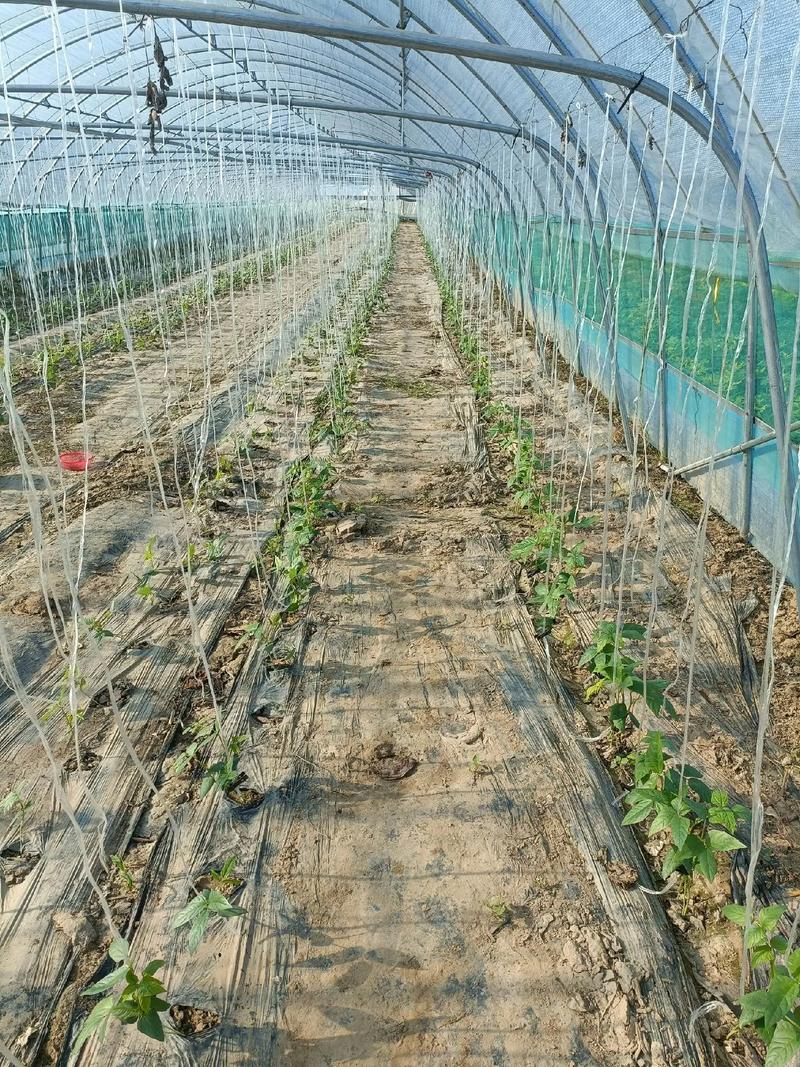
Ii. Whole-field fertilisation and osteoporosis: the soybeans are deep in the soil, which should be lengthened by 25 cm before draught, combined with the laying of 8,000 kg of soil fertilizer, 50 kg of calcium perphosphate or ammonium phosphate and 25 kg of potassium. It is 1. 2 metres wide, with two bean horns per audible, 20 centimetres wide, and two per acre, 500-5,500 bps per acre。
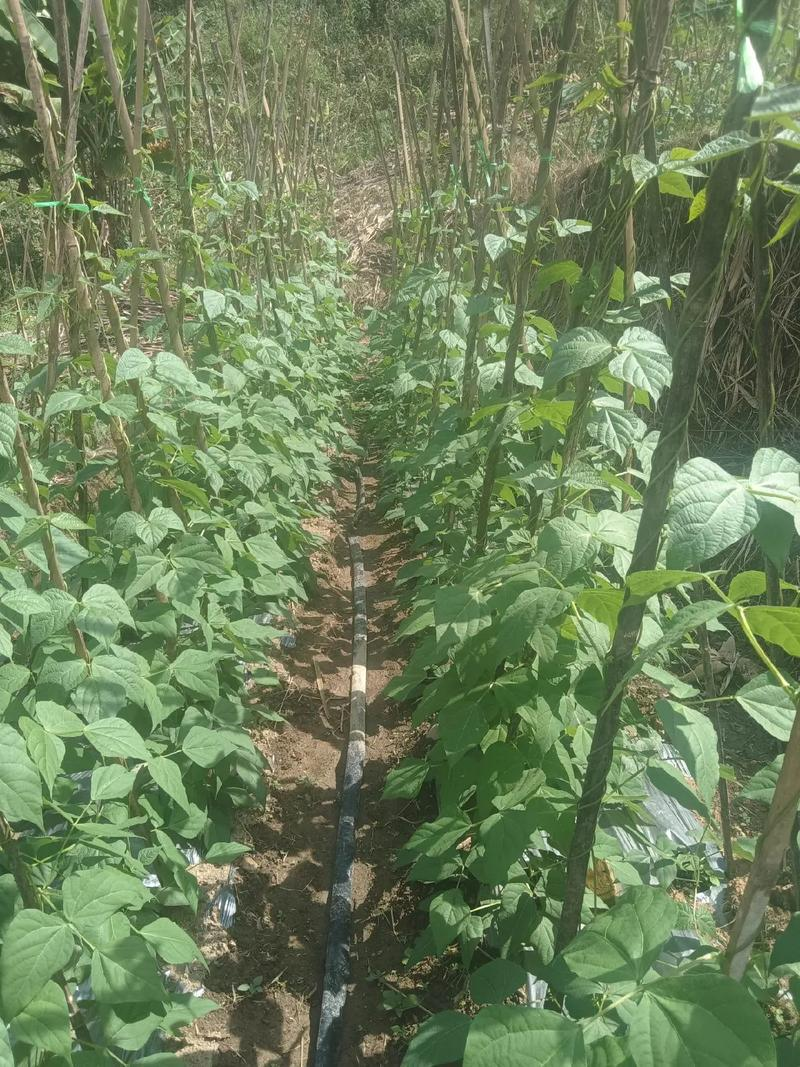
Iii. Pre-manipulation: set-up, heartbreak, strangulation. The bean horns and the chickens, and all the twigs below the first ear, and the chickens, when they climb to the top of the shelf, take their hearts, and the posterior branches behind them. The brocade promotes the growth of the side branches, and the rubles and side branches promote the growth of the bean horns。
Iv. Quarry management: pre-control. The roots of the bean are drought-resistant, flourish, grow in large huts, and have weak light, high temperatures and high fertility. Field management must be managed first and then, to prevent the long and premature fallout. The bean bean shall be grown from seedlings until the flower is established, with proper seedlings, primarily for water control and cultivation, to promote the gushing of flowers, after which there shall be a sufficient supply of fat water to boost the bouquets. This can be done by shifting the seedlings to plant the seedlings and slow-saping water, and then by planting the seedlings, securing the temperature, promoting the growth of the root system and controlling the growth of the leaves; by pouring small water after the buds; and by not pouring water during the first flower season, when the bouquets open in the first row, and after several bouquets of bouquets are shown, pouring water to the head. After the headwater, the staves grow fast, and when the mid-to-low leg stretches, and the upper-middle bouquet appears, water is poured again, and later into the balconies, in order to keep the production high. During the harvest period, fattening is pursued once with water, with 25 kg of dimethyl or potassium phosphate。
According to the ministry of agriculture website