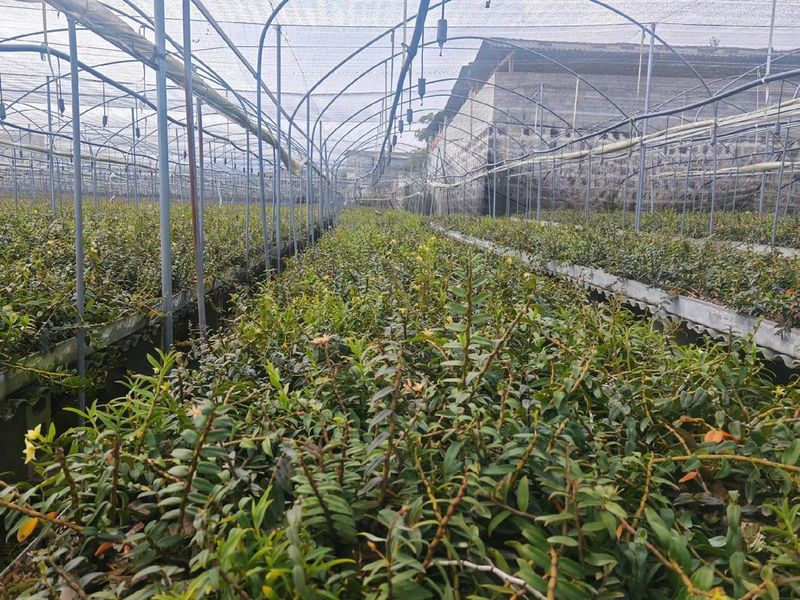
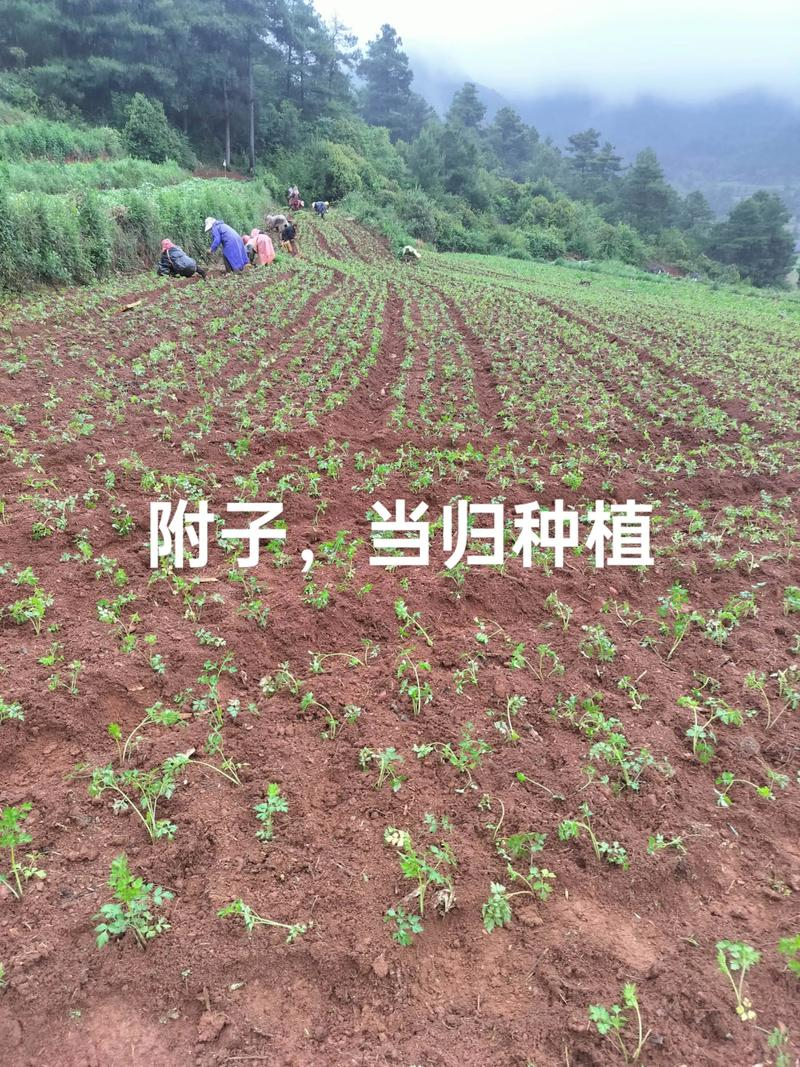
1- saplings, seedlings, seedlings: the seedlings are available for about 15 days after the seeding of the white adsorbents, but are prone to seeding or breakage during the seeding process due to conditions such as soil quality and climate. In order to ensure production, it is necessary to be precise, to select the root, to regulate planting and to guarantee the whole seedling. Early replanting or replanting is required if seed deficiency is detected. Time seedlings are particularly important if they are too dense to save soil nutrients and moisture and to promote the growth and growth of seedlings. The average seedling time is 6-9 cm high。
2. Chinese tillage: in accordance with the tradition of white-coloured growth, many times in the long term, it is necessary to cultivate the soil and sow the grass. It can effectively regulate and improve the permeability of the soil layer, promote soil micro-organisms, increase the availability of soil-efficient nutrients, and in times of drought it can cut off the soil cavity tube, prevent soil evaporation, protect the soil against drought, break soil sheeting during flooding, increase soil permeability, diffuse temperature and promote deep roots. It can also effectively eliminate weeds in the fields and reduce the competition between weeds and white adjuncts. In accordance with the practice of growth of white adjoining plants, it is generally required to grow grass four times before the closure, the first of which should be soaked to the surface layer as long as it is normally 6 to 9 cm high after the harvest; the second of which, in mid-june, can be fertilized to break the slabs and promote root plastering; the third of which, in late july, coincides with the booming of the adjoining white adjoining, with fine, smoothing, salvaging and expansion of the root stem; and the fourth of which, in late august, should combine with the plowing of the gutters, so as to preserve the old glaze, so that only the gutter can be breathed and unpaved, so as not to cause loss of production due to the deepness of the roots and to the adverse expansion of the root。
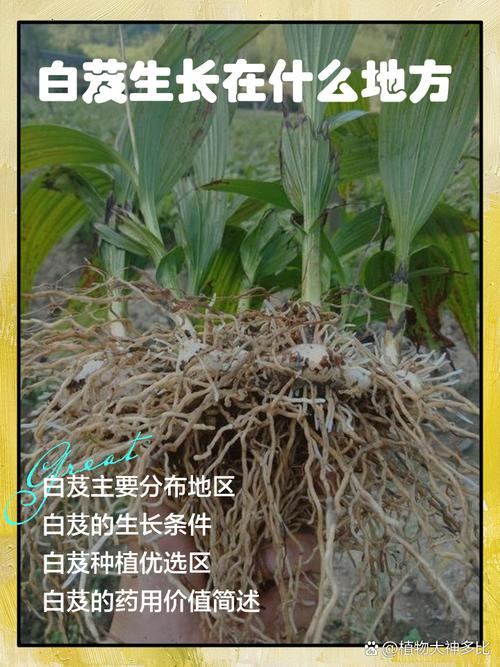
3. Drainage: the white acupunctures are wet and watery and should be kept wet on a regular basis after planting, but water should be less irrigated, and water should be banned from flooding, such as overwatering, which affects the breathing of the roots, hinders their growth, is less active and tends to cause yellowing of leaves and affects the growth of plantations, so that during the rainy season attention should be paid to drainage and to preventing flooding of the surface. The white adsorbents generally do not water before seedlings are produced to prevent soil sheeting, causing difficulties in seedlings and reducing the temperature of the ground to delay seeding. The first water will not be watered until the first time. In the case of inadequate bottom water, soil sheeting and dry soil, water should be poured early. After the first water is poured, the dry water is kept dry and wet, and the water is poured one more time after six to seven days. Water should be hotter after the summer, and in late july the roots should be kept moist in the ground, as the white ads were growing in the middle of the month, so that they could not be droughted, so that they needed more water, so that after autumn the weather would cool and the water would be watered longer. When the temperature is high, water should be poured in the evening when the temperature is low. In the aftermath of heavy rains, if water is found to accumulate, it should be eliminated in a timely manner and the destroyed fields must be repaired in a timely manner. In times of heavy autumn rain, attention is paid to drainage and flood prevention。
Fertilizers: in addition to the application of foot-based fertilizers, three to four fat pursuits should be carried out based on soil fertility and the growth of white obscurants. In order to improve the soil and increase fertility, fertilizer should be applied mainly to farmers and supported by fertilizers. For the first time, after a sapling, acres were followed up with thin human and animal dung from 1000 to 1,500 kg; in mid-june and late-june, a further wave of man dung was carried out in conjunction with pine soil for weeding; in late july, during the booming season of white acres, manure ranged from 1,500 to 2,000 kg per acre, with heavy cover; and in late august, acres were combined with weeding with urea at 15 kg per acre, with an increase of 50 kg for pie and potassium phosphorous fertilizer to increase production by profit。
Prevention and treatment of diseases: during their growth, the main pests and diseases are viral diseases, foliage, root diseases, red moths, hysteria, etc., and timely field surveys and prevention. In concrete ways, chemical, preventive and biological control should be integrated in order to achieve good results。
6. Flower pickers: when white raisins of meat are removed from the plume in may-june, they should be cut off in time, except for the fields to be planted, in order to reduce the unnecessary consumption of nutrients and increase production。
7. Winter-over-winter management: the white acupuncture is a multi-year herbivorous plant that is not resistant to cold, and is usually used to water frozen water or to cover horse dung, straw, etc. Before winter。