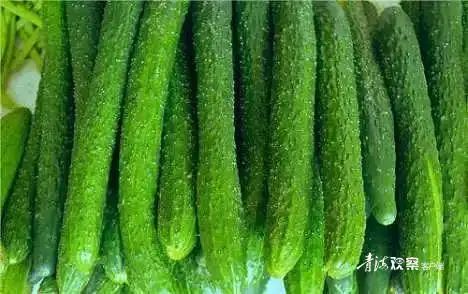
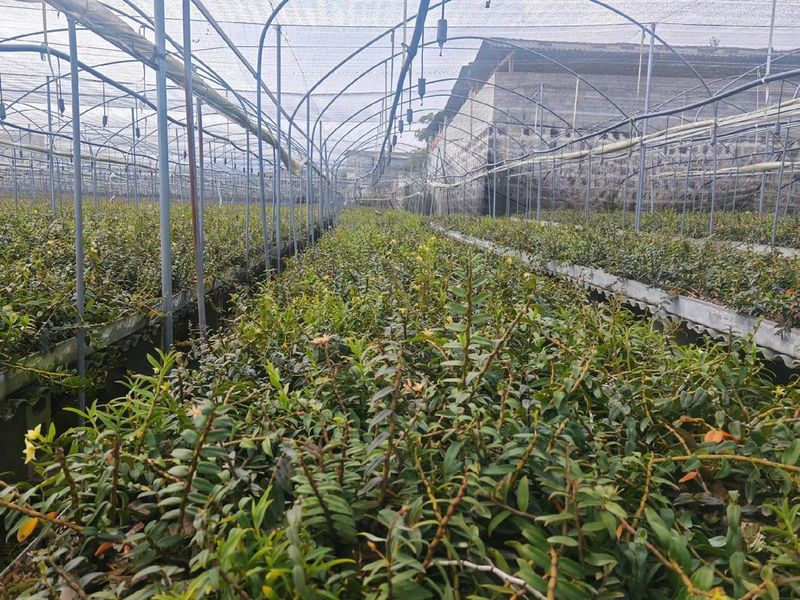
Directed by: the planting steps summarized by the masters of vegetable gardening, the high yield of seedlings, and the lack of fresh vegetables
Small gardens will never bore people, especially those who have just started to plant themselves. You can design large areas of plapping, you don't have to weed, you can't water, and you can grow vegetables in your pajamas in the morning. The full use of small open spaces requires your creative combination of space and crops, which is also one of the pleasures of planting. Any vessel with a compost and a drainhole can be used as a planting basin, and that's your imagination. Some particular crops can be grown together, so you can try different combinations and create a small and diverse garden. I'm going to show you how to grow the vegetables today
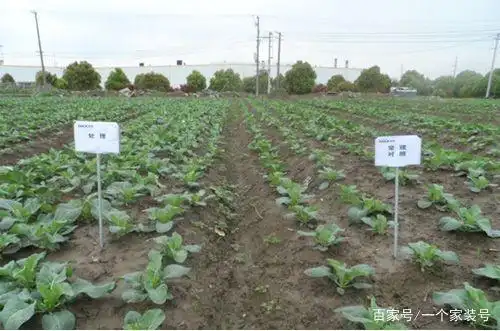
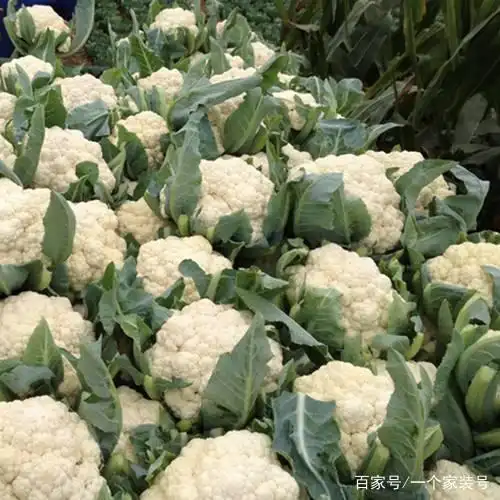
It's possible to grow and harvest delicious and fresh vegetables throughout the year, because there are many varieties for you to choose. In addition to the traditional white head type, you can grow purple, orange and green headbush. Sufficient space is given to crops to ensure that their head is fully grown or planted intensively in the flower basin. If fully irrigated and fertilized, their yields will be high。
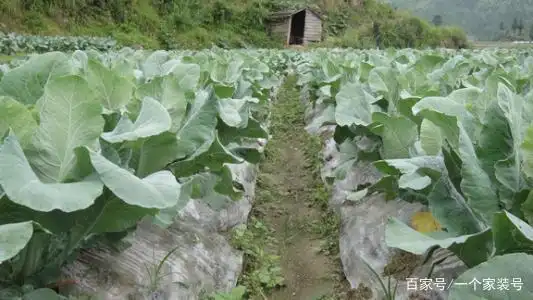
1. Sterilization under protective film
Fill the modular tray or flower basin with seed fattening, adequate irrigation and draining water. A hole of 1 cm deep is inserted in each small unit, and two seeds are planted, fat soil is filled and water is poured. And when the seedlings come out, they are seeded, leaving strong seedlings。
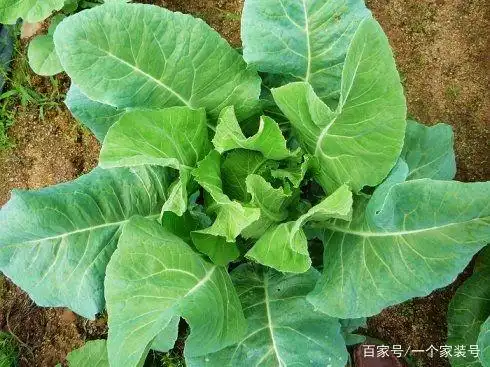
2. Outdoor planting
For winter and spring vegetables, planting can be done directly in late spring. Deep into the ground, preparing seedbeds, mixing large amounts of organic matter and digging a trough, 2 cm) deep. When fully irrigated, seeds are planted, then the soil is covered, levelled and watered. In order to prevent soil diseases caused by crop growth, it is necessary to ensure that no other mustard varieties have been planted in the fields where vegetable flowers are planted for three years。
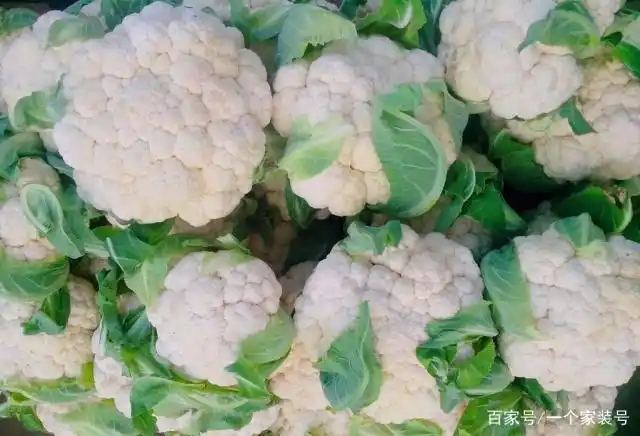
3. Outdoor cultivation
When the seedlings grown in modules grow to 15 cm high, they exercise their cold resistance. They were moved outside during the day and in the evening for a week. And when the seedlings are grown up to this height, water them well and then gently pull them out of the earth. Summer varieties are grown at intervals of about 60 cm; winter varieties at intervals of about 70 cm。
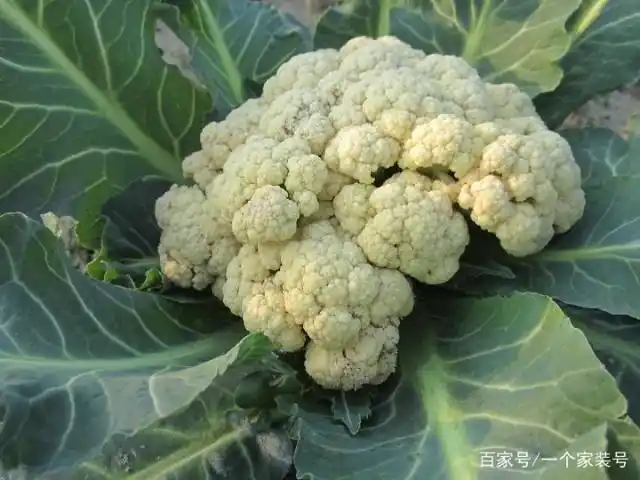
4. Protection of plant
Irrigate the cultivated crops with a mustard collar at the bottom of each crop. A net around the crop, with a maximum eye of 1 centimetre, would prevent cabbage white butterflies and pigeons from attacking the crop. Space between crops is subject to regular weeding, and after planting the vegetables will stifle competition from other crops。
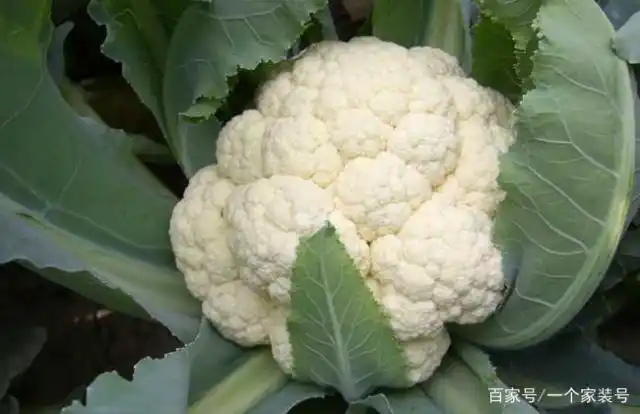
General management
It is important to irrigate good vegetables during the summer so that crops can grow. As crops grow, the need to bend a few leaves over the head helps to protect summer varieties from hot sun burns and, for winter varieties, to protect them from frost。
6. Harvest
When the heart matures, cut it off from the plant. The dishes can be eaten immediately or stored in the fridge for a few days. If you can leave a few leaves attached, it'll take longer。
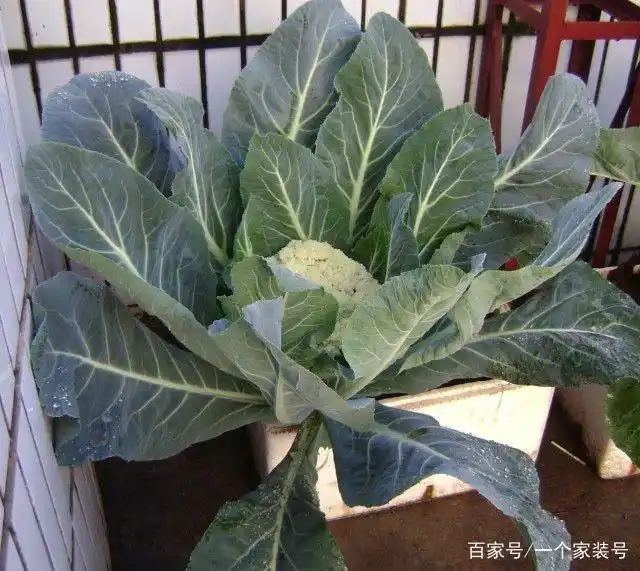
All of them know that it is healthy to eat more fruit and vegetables and that there are many direct benefits to feed themselves. The highest levels of fresh fruit and vegetable vitamins and antioxidants have been harvested, while the 7-14 days following the harvest will be halved. Although the supermarket sells fresh fruit and vegetables, it's hard for you to know when it was harvested and how it was stored, especially when it was transported or frozen. If you grow fruit and vegetables yourself, act quickly, and you can eat them now, guaranteeing their freshness, taste and nutrition。