(i) choice of varieties
Autumn delayed green flower varieties may be selected for both pre-cooked varieties suitable for autumn planting, such as green, green one and green balls, as well as medium- and late-cooked varieties such as green kings and green ridges。
(ii) cultivation
Green vegetables are delayed in planting and are available for planting from late july to late august. Plantation was scheduled from early to mid-september, and the harvest was released in november. The date of the planting and the type of cultivation shall be determined by the date on which the green vegetable is placed on the market。
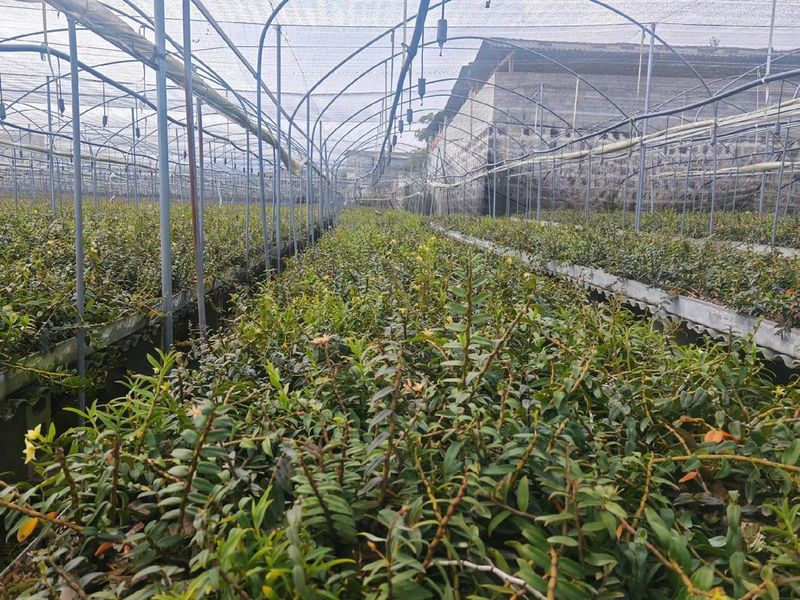
1. The seedbeds are prepared to be built in large sheds, 6-7 m long, 130-160 cm wide, from the north to the south, sifting and mixing of the seedbeds into 100 g polybacterium, 100 g trichlorfon (pyramid) and 100 kg sift with high-quality soil fertilizer and watering through the bottom water。
2. The seedlings are soaked into the bottom water that, when the water penetrates, they are ploughed in 8m squares, with wooden sticks in the centre of each of the earth, at depths not exceeding 0. 5 cm, sowing two seeds in each of the dens, then covering approximately 0. 3 cm thick of the sifting concrete. Following the broadcast, a layer of grass cover was added to the old film sheet on the bed. The grass is covered around 10 a. M., and it's open at 5 p. M., and it's in the dark。
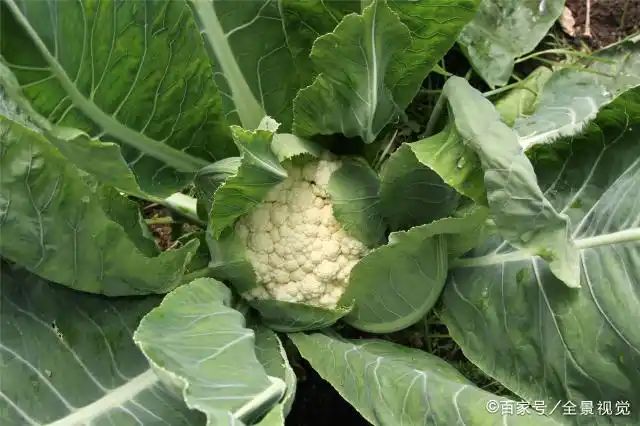
3. Shrimp management, when the seedling grows up to one centrifugal time, leaves only one seed in each den, and waters the seedlings when they grow a leaf, then water every three to four days and keep the bed wet. When the saplings produce four to five saplings, they pour water twice and prepare for planting. Water should not be overstretched for too long, nor should the volume of water be too large, otherwise it is prone to rotting roots. In addition, 75 per cent of the 100-bacterium liquid is normally sprayed every 10 days during seeding to prevent the occurrence of the disease. Autumn greens tend to be 30 ~35 days old. When the seedling grows to 6-7 leafs。

(iii) fertilisation
Upon harvest, weeds in the shed are cleaned, old film from the former shed is preserved, and 5,000 kg of high-quality soil fertilizer is applied per acre 7-10 days before seeding, 50 kg of calcium per phosphate and 20 kg of potassium sulfate. It's 30 cm deep after fertilization, and it's usually sprouts, and it's grown flat。
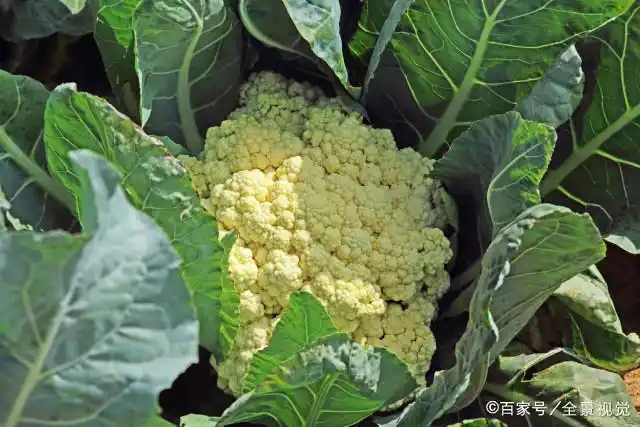
(iv) post-plant management
Because of the high temperature at the time of planting, it would be preferable to do so in the evening. The range is set at 33-40 cm; 43-50 cm; 50-60 cm for medium- and evening-grade varieties; and 60-70 cm for long lines。
1. The management of fat water fixes the planting of slow seedlings and the subsequent planting of seedlings, promotes the growth of root systems and prevents the growth of people, usually after 7 to 10 days, in a timely manner, following up with fat water, in combination with the pursuit of compound fattening of 20 ~ 25 kg per acre, urea of 15 kg, qualified and septic water, which promotes the growth of lichen leaves and early sealing. When most plants begin to emerge with small plumes, each acre is followed up with ammonium sulphate or ammonium carbonate and water. Soil humidity is to be maintained in the future, especially during periods of plume fattening, where the relative humidity is 70-80 per cent. When the main flower ball is largely finished, fat i is followed up again to increase the production of side balls。
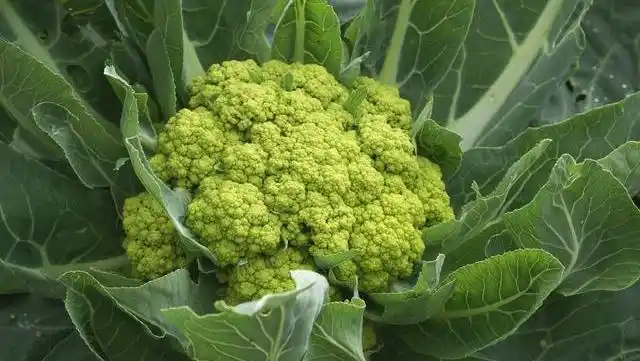
2. Temperature management took place in mid-october, when external temperatures were low and the temperature was kept warm, 18-20°c during the day, and around 15°c at night was gradually reduced from large to small, when the temperature in the night shed was reduced to below 15°c, the apron was put down, no more air was released at night, and the air was released at more than 25°c during the day and closed below 10°c。
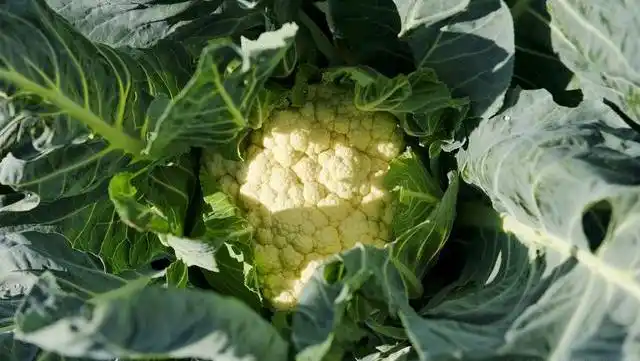
3. Plantation adjustments are well suited to the growth and growth of green vegetables during the season, and plants are flourishing and side branches are occurring quickly and frequently. If left to grow, it can cause the main flower ball to be late, slow and small. To be able to harvest the proper flower balls in time, the proper whole branch is required. Before the main flower ball is present, two to three branches of the growthal side of the base are left, and the above side branches are folded to reduce nutrient consumption, to facilitate ventilation and to promote the growth of the main flower ball。
(v) timely collection
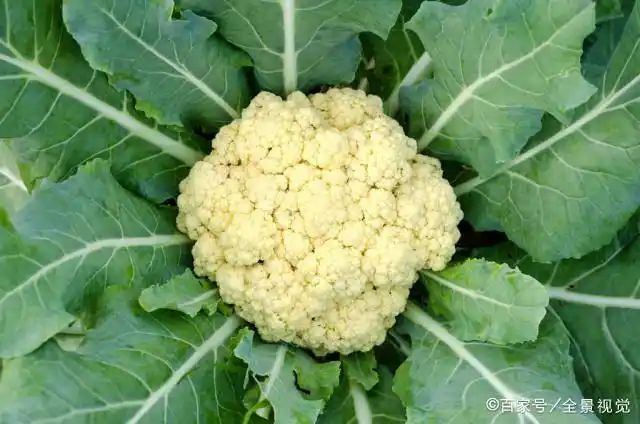
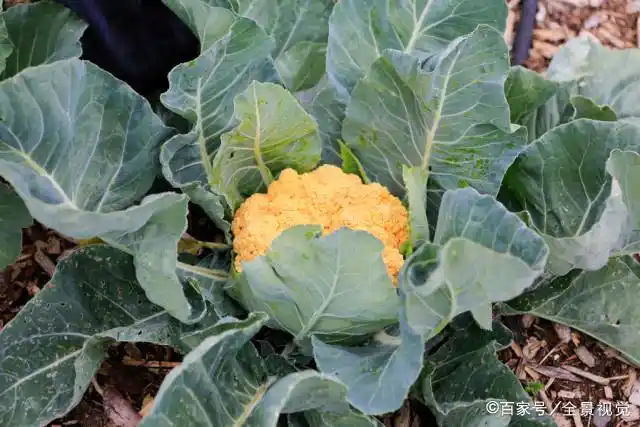
Unlike broccoli, the green bouquets that are produced at the top of the top of the broccoli, which are initially very tight and gradually loose, should be collected in a timely manner before they are open in order to ensure quality, when they are harvested, they are cut off together with the fat tubers, leaving behind three to four leaves to protect them from pollution and damage. When the main flower ball is harvested, the breech grows a side branch, usually with two to three sides, with plumes at the top. This allowed for two to three successive harvests。